

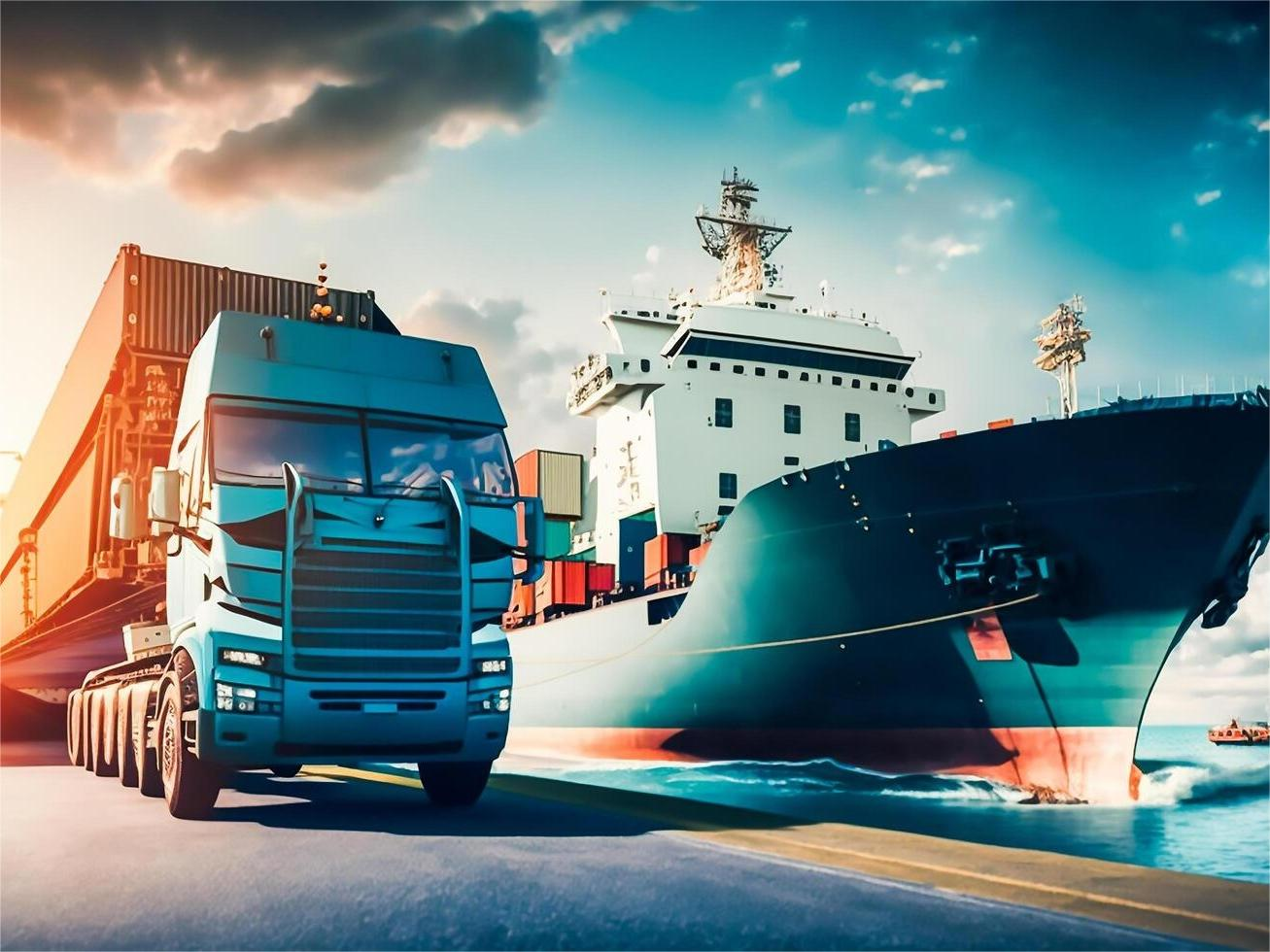
Sea Shipping China to Canada: A Comprehensive 2026 Logistics Guide
Navigating the complexities of sea shipping China to Canada requires precise planning and a reliable logistics partner. At China Freight Logistics, we provide end-to-end support to ensure your cargo moves efficiently across the Pacific. Visit our homepage at https://chinafreightlogistics.com/ to discover how we simplify global trade for businesses of all sizes.

Understanding Sea Shipping China to Canada Transit Times
Transit times for ocean freight vary significantly based on the specific ports of origin and destination. Typically, shipments moving from major hubs like Shanghai or Shenzhen to Vancouver take approximately 15 to 22 days. Conversely, shipping to East Coast ports such as Montreal or Halifax via the Panama Canal can extend the journey to 35 to 45 days.

Additionally, seasonal congestion at major terminals often impacts these schedules. For businesses requiring precise delivery windows, exploring our sea freight solutions helps mitigate potential delays through optimized routing.
How Does Sea Shipping Compare to Other Methods?
Selecting the right transport mode is essential for balancing budget and speed. While sea freight remains the most cost-effective choice for bulk goods, other options exist for urgent or smaller shipments.
For instance, if your cargo is time-sensitive, our air freight services offer significantly faster delivery. Meanwhile, for land-linked regions, rail freight provides a balanced middle ground in terms of both cost and speed.
| Method | Cost | Transit Time | Best For |
|---|---|---|---|
| Sea Freight | Low | 20-45 Days | Bulk/Heavy Goods |
| Air Freight | High | 3-7 Days | Urgent/High Value |
| Rail Freight | Moderate | 15-25 Days | Mid-sized Cargo |
Key Logistics Considerations for Importers
Successful importing involves more than just booking space on a vessel. You must carefully manage your supply chain, including documentation, cargo handling, and regulatory compliance.
Furthermore, utilizing professional customs brokerage services ensures that your goods clear Canadian borders without unnecessary hold-ups. Whether you are shipping to North America or beyond, preparation is the foundation of success.
Real World Case Studies
Case Study 1: An electronics manufacturer shipped 20 CBM of components from Ningbo to Vancouver using LCL shipping. The total cost was approximately 2,400 USD with a transit time of 22 days, proving highly economical for their inventory cycle.
Case Study 2: A furniture retailer utilized FCL shipping for a 40HQ container from Shanghai to Toronto. By choosing a direct route, they managed to keep their landed costs low despite the 40-day transit time, ensuring competitive retail pricing.
Final Thoughts on Sea Shipping China to Canada
In summary, mastering sea shipping China to Canada requires a blend of strategic planning and reliable partnerships. By understanding transit times, selecting the appropriate transport mode, and maintaining clear communication with your logistics provider, you can optimize your import operations.
Indeed, as global logistics trends continue to evolve in 2026, staying informed will keep your business ahead of the competition. Contact us today to begin your seamless shipping journey.
Get Your Shipping Quote Today
Are you ready to streamline your supply chain? Contact our team today to request a competitive quote for your next shipment. Let us handle the complexities of sea shipping China to Canada so you can focus on growing your business.
Request Quote