

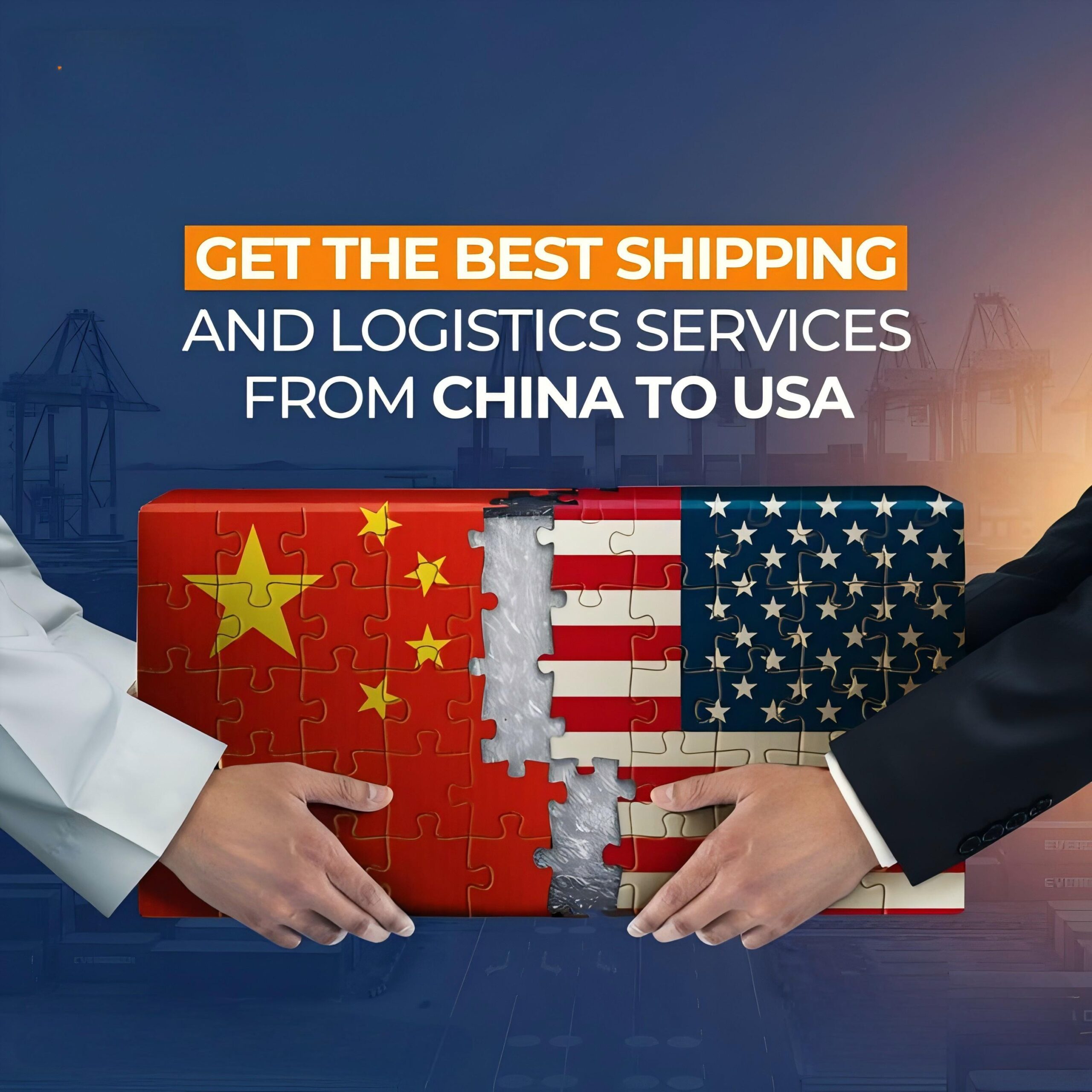
Ocean Freight from China International Shipping: 2026 Guide
Navigating the complexities of ocean freight from china international shipping requires a strategic approach to manage costs and timelines effectively. Many businesses struggle with fluctuating rates and complex customs regulations that can disrupt the global supply chain. At China Freight Logistics, we provide comprehensive solutions to streamline your maritime transport and ensure your cargo reaches its destination safely.
What is Ocean Freight from China International Shipping?
Ocean freight remains the backbone of global trade, accounting for over 80 percent of international goods movement. This method involves transporting large volumes of cargo via massive vessels across established maritime routes. Consequently, it offers the most cost-effective solution for businesses moving heavy or bulky items over long distances.
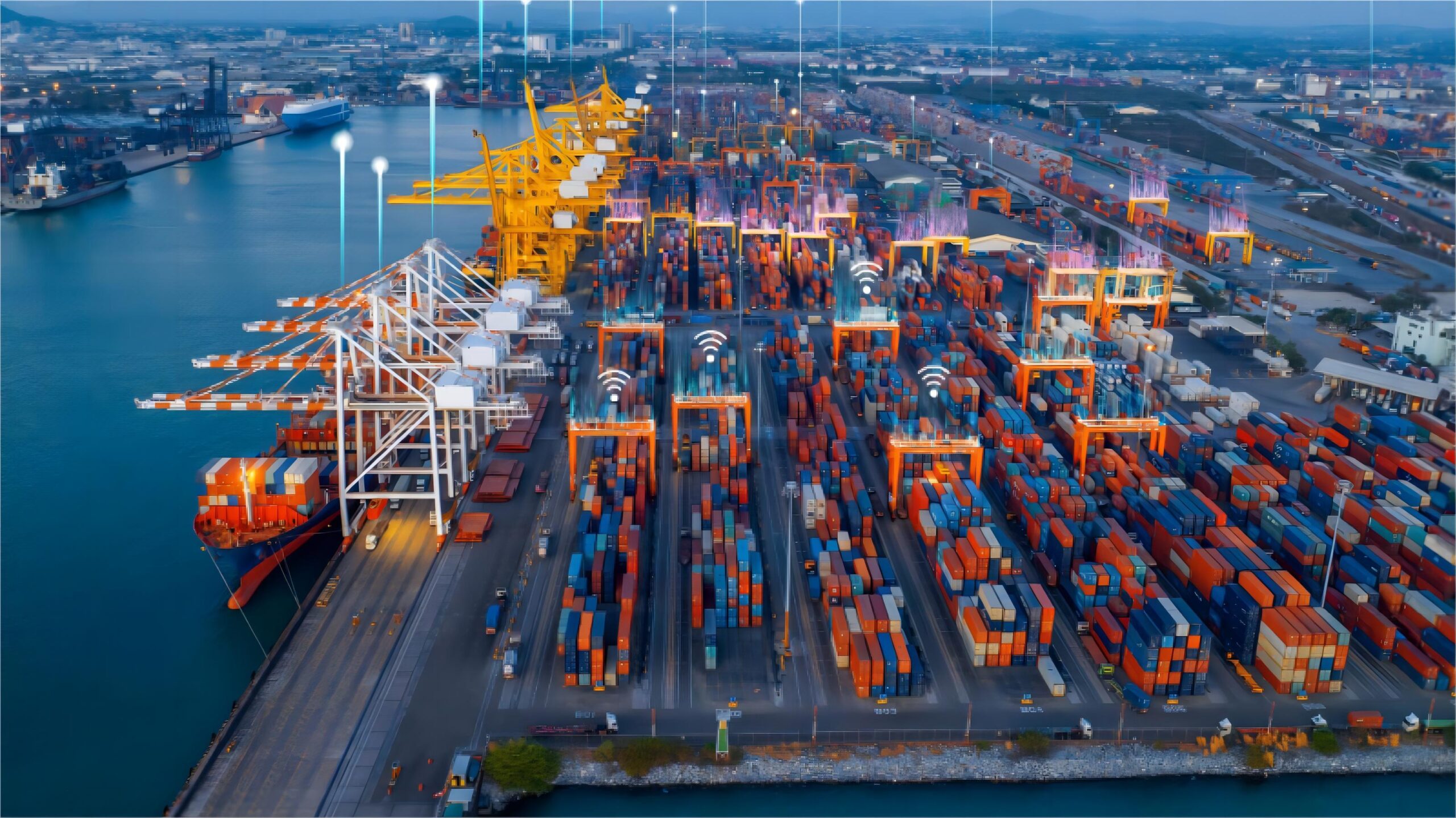
Furthermore, international shipping from China has evolved significantly in 2026 with the integration of advanced tracking technologies. Shippers can now monitor their containers in real-time, providing unprecedented visibility into the supply chain. This transparency helps companies plan their inventory levels with much greater precision than in previous years.

Additionally, the maritime industry continues to adapt to new environmental regulations, leading to more sustainable shipping practices. Many carriers now utilize liquefied natural gas or biofuels to power their fleets. As a result, businesses can reduce their carbon footprint while still benefiting from the economical nature of sea transport.
Moreover, understanding the nuances of freight forwarding services China is essential for navigating port congestion and local logistics. Expert partners manage the entire process, from factory pickup to final delivery. This comprehensive oversight ensures that your ocean freight from china international shipping avoids unnecessary delays at the terminal.
How Does Ocean Freight Compare to Other Shipping Options?
Choosing the right transport mode depends heavily on your specific budget, timeline, and cargo requirements. While sea freight offers the lowest cost per unit, it requires longer lead times compared to other methods. Therefore, businesses must weigh the financial savings against the need for speed.
In contrast, air transport provides rapid delivery but at a significantly higher price point. For instance, shipping a standard pallet via air might cost five times more than the sea equivalent. Nevertheless, air remains the preferred choice for high-value electronics or urgent medical supplies.
Rail freight has also emerged as a viable middle ground for shipments destined for Europe or Central Asia. It offers faster transit than sea and lower costs than air. However, it is important to note that rail is not an option for routes to North America or Australia.
Without a doubt, a hybrid sea-air solution can sometimes provide the perfect balance for certain logistics needs. This strategy involves shipping goods by sea to a hub like Dubai and then flying them to the final destination. Such an approach saves time compared to pure sea freight while remaining cheaper than direct air shipping.
| Shipping Method | Cost Range | Transit Time | Best For |
|---|---|---|---|
| Ocean Freight | $1,500 – $4,500 per FEU | 18 – 45 Days | Bulk goods, heavy machinery |
| Air Freight | $4.50 – $9.00 per KG | 3 – 7 Days | Urgent, high-value items |
| Rail Freight | $80 – $150 per CBM | 15 – 22 Days | Mid-range urgency to Europe |
| Express Service | $10.00+ per KG | 2 – 4 Days | Small parcels, documents |
FCL vs LCL: Which Ocean Freight Method Should You Choose?
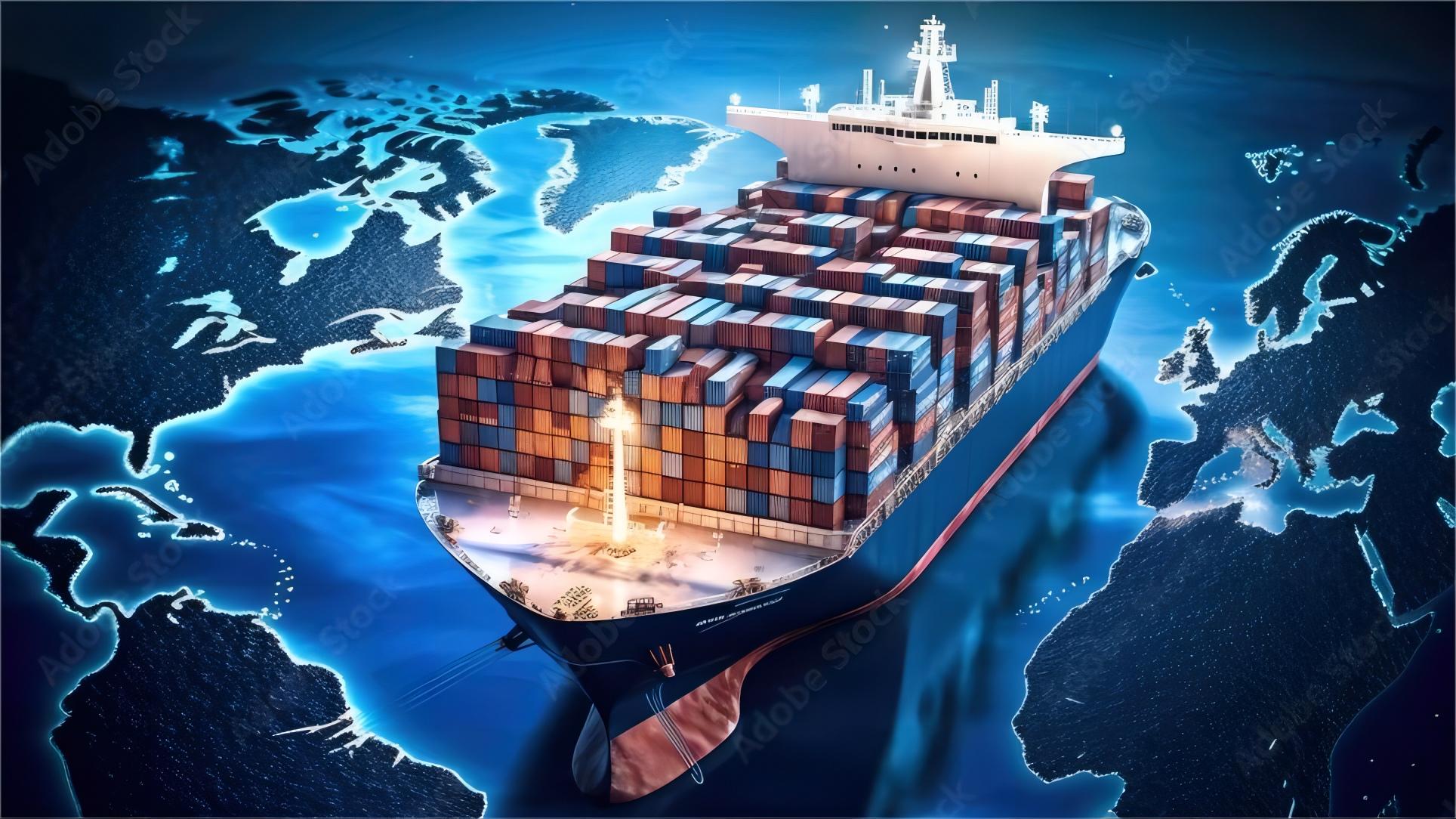
Full Container Load (FCL) involves renting an entire 20ft or 40ft container for your exclusive use. This method is ideal for large shipments that can fill at least 70 percent of the container space. Consequently, FCL often results in faster transit times because the container does not need to be opened for consolidation.
On the other hand, Less than Container Load (LCL) allows you to share space with other shippers. This is a cost-effective choice for smaller volumes, typically between 1 and 15 cubic meters. Additionally, Door to Door LCL services simplify the process for small business owners.
However, LCL shipping involves more cargo handling at the port of origin and destination. Each time workers move the goods, the risk of minor damage or misplacement increases slightly. Therefore, ensuring high-quality packaging and clear labeling is vital for LCL shipments to prevent issues during transit.
Indeed, the choice between FCL and LCL often comes down to a calculation of total landed cost. While FCL has a higher flat rate, the cost per cubic meter is usually lower than LCL. Shippers should analyze their monthly volumes to determine if consolidating smaller orders into a single FCL shipment is more economical.
Major Shipping Routes and Transit Times in 2026
Transit times for ocean freight from china international shipping vary significantly based on the destination port and the specific carrier route. For example, shipments to the US West Coast are much faster than those heading to the East Coast via the Panama Canal. Consequently, your warehouse location should influence your choice of discharge port.
Moreover, seasonal demand can impact the delivery schedule, especially during the peak months of August through October. During this period, port congestion often leads to berthing delays and slower container processing. Shippers should factor in an extra 7 to 10 days during these busy cycles to avoid inventory stockouts.
Additionally, choosing between direct services and transshipment routes can affect both cost and speed. Direct routes are faster but typically command a premium price. Meanwhile, transshipment through hubs like Singapore can save money but adds complexity and time to the overall journey.
If speed is your primary concern but air freight is too expensive, consider Air Freight for your most urgent SKU lines. Combining different modes allows for a more flexible and resilient supply chain. This diversification protects your business from localized disruptions at specific ports or along certain maritime corridors.
| Route (China to…) | Average Transit | Primary Ports | Service Type |
|---|---|---|---|
| USA West Coast | 14 – 18 Days | LA, Long Beach | Direct |
| USA East Coast | 28 – 35 Days | New York, Savannah | Via Panama |
| Northern Europe | 30 – 38 Days | Rotterdam, Hamburg | Direct/Suez |
| Australia | 12 – 20 Days | Sydney, Melbourne | Direct |
Key Factors Influencing Ocean Freight Rates from China
Several variables dictate the current market rates for shipping containers from Chinese ports. Fuel surcharges, often referred to as Bunker Adjustment Factors (BAF), fluctuate based on global oil prices. Additionally, carrier capacity management plays a huge role in determining whether prices rise or fall in a given month.
Furthermore, the type of equipment required for your cargo will impact the final quote. Standard dry containers are the most affordable, whereas refrigerated containers (reefers) or flat racks for oversized goods cost significantly more. Consequently, optimizing your packaging to fit standard shipping container dimensions can lead to substantial savings.
In addition, the choice of Incoterms 2020 defines who is responsible for specific costs and risks during the journey. For instance, under FOB (Free on Board) terms, the buyer takes responsibility once the goods are loaded onto the vessel. In contrast, CIF (Cost, Insurance, and Freight) requires the seller to cover the main transit costs.
Note: Freight rates are subject to change based on fuel costs, carrier capacity, and seasonal demand. Contact us for a current quote tailored to your specific shipment.
Essential Customs Documentation for International Shipping
Navigating the customs clearance process is often the most challenging aspect of international logistics management. Incomplete or inaccurate documentation can lead to heavy fines, storage fees, and lengthy delays at the border. Therefore, working with a professional Customs Brokerage is highly recommended for first-time importers.
Moreover, the Commercial Invoice and Packing List are the two most critical documents for every shipment. These must clearly state the value, quantity, and description of the goods using the correct Harmonized System (HS) codes. Incorrect coding is a leading cause of customs inspections and duty disputes in 2026.
Furthermore, the Bill of Lading (BOL) serves as the contract of carriage and the title to the goods. It is essential to ensure that all information on the BOL matches the other shipping documents exactly. Any discrepancy can prevent the release of cargo at the destination port, causing significant logistical headaches.
Additionally, certain products may require specialized certificates, such as a Certificate of Origin or a Phytosanitary Certificate. For businesses selling on digital platforms, utilizing Amazon FBA logistics services can help manage these requirements. These services often include pre-clearance steps to speed up the entry process.
| Document Name | Purpose | Issuer | Requirement |
|---|---|---|---|
| Commercial Invoice | Tax/Duty valuation | Seller/Exporter | Mandatory |
| Packing List | Cargo verification | Seller/Exporter | Mandatory |
| Bill of Lading | Title to goods | Carrier/Forwarder | Mandatory |
| CO (Cert. Origin) | Trade agreements | Chamber of Commerce | Conditional |
Case Studies: Successful Ocean Freight Examples in 2026
Case Study 1: High-Volume Electronics Distribution. Route: Shenzhen, China to Los Angeles, USA. Cargo: Consumer electronics, 68 CBM, 12,500 kg. Container: 1 x 40HQ. Shipping Details: Direct service via major carrier. Port of Loading: Shenzhen. Port of Discharge: Los Angeles. Ocean Freight: $3,200. Origin Charges: $450. Destination Charges: $650. Customs and Duties: $4,800. Total Landed Cost: $9,100. Timeline: 21 days door-to-door. Key Insight: Using a 40HQ instead of two 20GP containers saved the client 15 percent in freight costs.
Case Study 2: European Furniture Import. Route: Ningbo, China to Hamburg, Germany. Cargo: Flat-pack furniture, 12 CBM, 4,200 kg. Container: LCL. Shipping Details: Transshipment via Singapore. Port of Loading: Ningbo. Port of Discharge: Hamburg. Ocean Freight: $960. Origin Charges: $280. Destination Charges: $420. Customs and Duties: $1,200. Total Landed Cost: $2,860. Timeline: 38 days door-to-door. Key Insight: Accurate HS coding prevented a potential 10-day customs delay during a random inspection.
Case Study 3: Australian Seasonal Apparel. Route: Shanghai, China to Sydney, Australia. Cargo: Winter clothing, 25 CBM, 5,500 kg. Container: 1 x 20GP. Shipping Details: Direct service. Port of Loading: Shanghai. Port of Discharge: Sydney. Ocean Freight: $1,100. Origin Charges: $350. Destination Charges: $500. Customs and Duties: $950. Total Landed Cost: $2,900. Timeline: 16 days door-to-door. Key Insight: Booking 4 weeks in advance secured a rate 20 percent lower than last-minute spot market prices.
Which Option Should You Choose? A Strategic Framework
Determining the best shipping strategy requires a clear understanding of your business priorities. If your primary goal is budget optimization, ocean freight is almost always the superior choice for large volumes. However, if you are launching a new product with high market demand, the speed of air freight might justify the extra expense.
Consequently, we recommend a volume-based threshold for switching between LCL and FCL. Generally, once your shipment exceeds 15 cubic meters, a 20ft container becomes more economical and secure. For very large shipments exceeding 30 cubic meters, the 40ft High Cube container offers the best value for money in the 2026 market.
Moreover, consider the nature of your cargo when selecting a shipping method. Bulk cargo shipping is best suited for raw materials, while containerized shipping is the standard for finished retail goods. Fragile or perishable items may require specialized maritime transport solutions, such as climate-controlled reefers, to maintain product integrity.
Finally, always factor in the ‘hidden’ costs of international shipping, such as insurance and port storage fees. Cargo insurance for sea freight typically costs between 0.3 and 0.6 percent of the total commercial value. While it adds a small expense, it provides essential protection against maritime accidents or theft during the long voyage.
Mastering Your International Shipping Strategy
To summarize, ocean freight from china international shipping remains the most effective way to scale your global trade operations in 2026. By understanding the differences between FCL and LCL, monitoring transit times, and preparing accurate documentation, you can significantly reduce logistics risks. Additionally, staying informed about market trends and freight rates allows you to make data-driven decisions for your supply chain.
Without a doubt, partnering with an experienced freight forwarder is the best way to navigate this complex landscape. Whether you are shipping to North America, Europe, or Australia, a strategic approach will ensure your goods arrive on time and within budget. Start planning your next maritime shipment today to take advantage of current market opportunities.
Need a tailored shipping solution?
Ready to optimize your ocean freight from china international shipping? Contact China Freight Logistics today for a customized quote and expert guidance on your next shipment. Visit our website to learn more and request your free freight analysis now.