


Navigating China to Philippines Sea Freight During Golden Week: A 2026 Logistics Guide
Securing reliable capacity for China to Philippines sea freight during Golden Week requires early planning to avoid the inevitable pre-holiday rush that chokes major export gateways. As carriers adjust sailing schedules and port operations tighten, many importers face unexpected delays and rising spot rates that threaten seasonal inventory. Working alongside a specialized partner like China Freight Logistics turns these fragmented booking challenges into a structured, auditable transit plan. This 2026 handbook outlines the critical checkpoints, document requirements, and landed-cost variables necessary to ensure your cargo remains on schedule throughout the October peak season.
Key Takeaways
A 40HQ container typically holds 65–70 CBM of dense cargo, while a 20GP container is optimized for 26–28 CBM.
Golden Week typically triggers a pre-holiday capacity crunch; booking space at least 21 days before cargo-ready dates is essential.
Ocean door-to-door transit includes port dwell, terminal handling, and destination drayage, often totaling 12–18 days for this corridor.
Mandatory import filings in the Philippines must be initiated before vessel arrival to avoid heavy demurrage and storage penalties.
Who Is This China to Philippines Sea Corridor and Mode Best Suited For?

The China to Philippines sea freight corridor is the backbone for regional manufacturing supply chains, primarily serving importers requiring consistent, high-volume replenishment of raw materials and finished goods. This mode is best suited for businesses that prioritize cost-efficiency over extreme speed, particularly those moving heavy, palletized, or oversized cargo that would be economically unviable via air freight. By utilizing major gateways like Yantian, Ningbo-Zhoushan, and Shanghai, shippers can leverage massive economies of scale that keep per-unit logistics costs low during standard operations.
For seasonal retail importers and electronics manufacturers, this corridor offers the necessary infrastructure to handle large-scale inventory surges before major market events. The decision to commit to ocean freight on this lane often hinges on the predictability of the production cycle; those who can synchronize their manufacturing output with vessel sailing schedules benefit from the most reliable landed-cost structures. It is essential for stakeholders to understand that while ocean freight is the most cost-effective solution, it demands rigorous alignment between factory output and container stuffing milestones to avoid missing critical vessel cut-offs.
Choosing this mode requires a strategic assessment of your inventory velocity and storage capabilities at the destination, as ocean shipments typically arrive in large, consolidated batches. Importers should evaluate whether their destination warehouse or distribution center can handle the influx of a full container load (FCL) or if they require the flexibility of less-than-container load (LCL) services provided by professional teams at China Freight Logistics. By balancing volume requirements with transit expectations, businesses can effectively optimize their logistics spend while maintaining a stable flow of goods into the Philippine market throughout the year.
Field note: Monitor port-specific congestion reports in Yantian and Shanghai as Golden Week approaches.
Common mistake: Neglecting to account for destination terminal handling charges in the initial landed-cost budget.
Risk alert: Unexpected blank sailings during the holiday week can leave cargo stranded at the origin port for 7-10 days.
What Is the Optimal Mode Mix for Your Inventory on This Lane?
Determining the optimal mode mix involves a rigorous comparison between direct vessel sailings and multimodal alternatives that incorporate air or road legs for final-mile precision. For most importers, the standard FCL model provides the lowest price-per-unit, but for high-value or time-sensitive inventory, a hybrid approach becomes necessary to avoid stockouts. During the Golden Week window, the optimal mix often shifts toward early-booking FCL to secure space, supplemented by LCL or air freight for secondary replenishment of critical SKUs that cannot wait for the post-holiday recovery period.
The decision framework relies heavily on your specific cargo profile—balancing the weight-to-volume ratio to decide between 20GP and 40HQ container utilization. Shippers often find that consolidating smaller shipments into a single FCL reduces handling risks and lowers the overall administrative burden associated with multiple LCL filings. If your shipment volume falls between 15 and 20 CBM, it is often more cost-effective to secure a 20GP container rather than paying for LCL space, which may be subject to unpredictable co-loader delays at the origin terminal.
Our team at China Freight Logistics regularly advises clients to stress-test their mode mix against the current carrier capacity in major hubs like Qingdao and Shenzhen. By maintaining a diversified booking strategy, you protect your supply chain against regional disruptions that often occur during peak holiday periods. Evaluating these trade-offs early in the procurement phase allows for a more agile response when carrier space becomes scarce, ensuring that your inventory remains on the move even when the broader market faces congestion.
| Equipment Type | Internal Volume (CBM) | Max Payload (kg / lbs) | Optimal Commodity Fit |
|---|---|---|---|
| 20ft Standard (20GP) | 28–30 CBM (26 usable) | 21,800 kg / 48,000 lbs | Dense, heavy cargo (machinery, auto parts, metals) |
| 40ft Standard (40GP) | 58–60 CBM (54 usable) | 26,500 kg / 58,400 lbs | General packaged cargo, standard palletized loads |
| 40ft High Cube (40HQ) | 68–76 CBM (68 usable) | 26,500 kg / 58,400 lbs | Bulky, lightweight goods (furniture, textiles, electronics) |
| 45ft High Cube (45HQ) | 85–86 CBM (78 usable) | 27,500 kg / 60,600 lbs | High-volume consumer retail distribution |
Field note: Analyze your average CBM per SKU to determine if FCL or LCL provides the better margin of safety.
Common mistake: Over-stuffing containers, which leads to damage and potential re-work fees at the destination port.
Risk alert: LCL shipments are significantly more vulnerable to holiday-related delays due to the consolidation and de-consolidation processes.
How to Choose the Right Mode Mix for Philippines Sea?
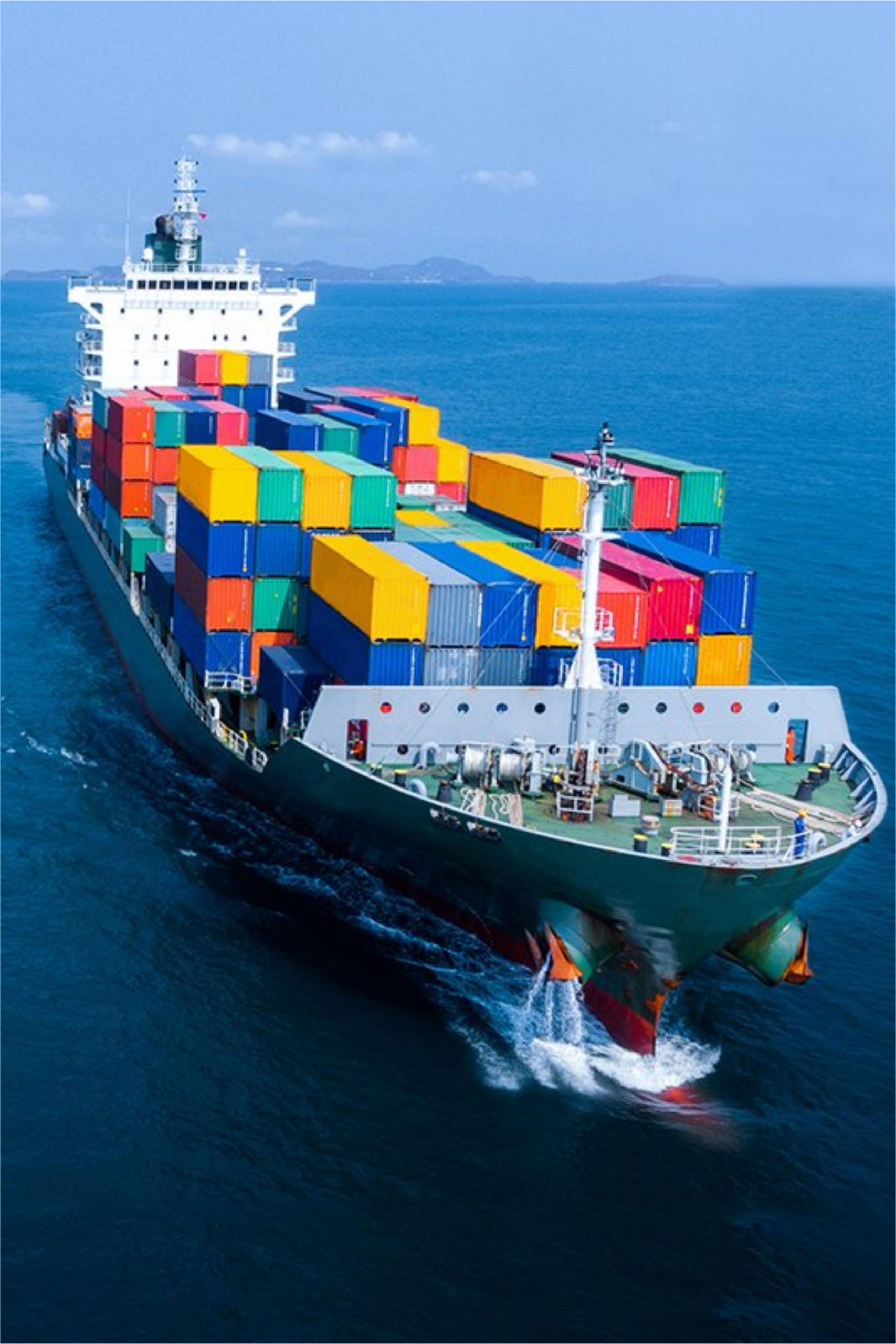
Selecting the right mode mix for the Philippines sea corridor requires an objective assessment of your lead-time tolerance and total landed-cost targets. If your business model relies on just-in-time (JIT) delivery, you must account for the reality that ocean transit times can fluctuate significantly during Golden Week due to carrier schedule adjustments. In these instances, reserving LCL space on a faster, direct-service vessel is often superior to choosing a cheaper, transshipment-heavy route that increases the likelihood of cargo getting rolled at the transshipment port.
For bulk commodities or heavy industrial machinery, the FCL mode remains the undisputed choice, providing the necessary security and equipment availability that other modes cannot match. When deciding, ensure you are factoring in the destination CFS (Container Freight Station) costs, which can escalate quickly if your cargo is not palletized for efficient handling. Discussing your specific commodity needs with a representative at China Freight Logistics can help identify whether your cargo requires special equipment like open-top or flat-rack containers to simplify loading and unloading processes.
Ultimately, the right choice is one that provides a buffer for the inevitable dwell times at both origin and destination ports. By incorporating a 5-7 day ‘holiday buffer’ into your projected transit times during the Golden Week period, you create a more resilient supply chain. This approach allows for minor delays without triggering the need for expensive air-freight upgrades, keeping your overall logistics budget intact while meeting the demands of your customers in the Philippines.
Field note: Always check carrier reliability metrics for specific service loops before booking your cargo.
Common mistake: Prioritizing the cheapest ocean quote without verifying the carrier’s transit time consistency on this specific lane.
Risk alert: Rolled cargo is a high risk during Golden Week; ensure your booking is confirmed with a verified space allocation.
Strategic Gateway Routing for Philippines Sea Cargo
Strategic gateway routing is essential to minimizing transit time and avoiding the heavy congestion associated with the busiest Chinese ports during the Golden Week holiday. By selecting the optimal port of loading—such as Ningbo-Zhoushan or Yantian—based on your factory’s proximity, you can significantly reduce inland trucking costs and the risk of missed container cut-offs. Understanding the unique operational nuances of each gateway, including their specific crane efficiency and berth availability, allows for a more proactive approach to shipment scheduling.
Importers should coordinate closely with their suppliers to ensure that cargo is moved to the primary port gateway well before the final pre-holiday cut-off dates. In many cases, routing cargo through a secondary hub can offer a competitive advantage if the primary ports are experiencing excessive dwell times due to labor shortages or equipment imbalances. Our China Freight Logistics team monitors real-time gateway performance to guide clients toward the most efficient routing options, ensuring that your inventory avoids the bottlenecks that frequently plague major Chinese export hubs during October.
Furthermore, considering the destination port in the Philippines is just as critical as selecting the origin gateway. Whether your cargo is destined for Manila, Cebu, or Davao, selecting the most direct vessel string can shave days off your total door-to-door transit time. Aligning your routing strategy with the specific needs of your destination warehouse—including local drayage constraints and terminal operating hours—is a hallmark of a mature logistics strategy that minimizes friction and maximizes supply chain throughput.
Field note: Coordinate with your factory to ensure truck drayage is booked at least 48 hours prior to the vessel cut-off.
Common mistake: Ignoring the secondary port options that might offer faster gate-in times during peak periods.
Risk alert: Inland trucking in China can become severely constrained as drivers return home for the national holiday.
End-to-End Transit Milestones and Dwell Times
Managing end-to-end transit milestones requires a disciplined focus on the ‘hidden’ dwell times that occur at both the origin port and the destination terminal. A typical China to Philippines sea freight journey is not just the 5-7 days of sailing; it encompasses the critical pre-departure stuffing, port gate-in, vessel loading, transit, discharge, and final-mile delivery. During Golden Week, these milestones are subject to significant extension, making it imperative to track each phase with precision to maintain visibility over your inventory.
The dwell time at the destination port is often the most overlooked variable in the total transit equation, yet it is where importers frequently encounter unexpected storage fees. By ensuring that all customs documentation is prepared and submitted for pre-clearance, you can expedite the release of your container immediately upon vessel discharge. China Freight Logistics provides comprehensive milestone tracking that allows you to identify potential delays at any stage of the journey, enabling a rapid response to keep your shipment on schedule.
To mitigate the risk of excessive dwell, importers should prioritize the timely arrival of the Bill of Lading and other shipping documents at the destination. Delays in the document chain are a common cause of port congestion, as containers sit on the terminal waiting for the formal release. By establishing a clear, standardized document hand-off process with your suppliers, you reduce the likelihood of administrative delays that can transform a standard transit shipment into a costly logistics bottleneck, particularly during the high-pressure environment of the holiday season.
| Milestone | Typical Duration | Risk Factor | Owner |
|---|---|---|---|
| Factory Stuffing | 1-2 Days | Equipment Shortage | Supplier |
| Port Gate-in | 1-3 Days | Holiday Congestion | Trucker |
| Ocean Transit | 5-8 Days | Vessel Delays | Carrier |
| Destination Clearance | 2-4 Days | Document Errors | Broker |
Field note: Track your vessel using live AIS data to anticipate any changes in arrival dates.
Common mistake: Assuming that the vessel arrival date is the same as the date the cargo will be available for pickup.
Risk alert: Destination port storage fees can compound rapidly if the container is not moved within the free-time window.
Landed Cost Anatomy: Surcharges and Duty for This Corridor
The landed cost of your shipments is highly sensitive to the interplay between ocean freight rates, fuel surcharges, and destination-specific duties. During Golden Week, carriers often implement general rate increases (GRIs) and peak season surcharges that can drastically alter your projected budget. It is essential to negotiate all-in pricing where possible or ensure that your freight contract clearly defines how these variable surcharges are applied, protecting your organization from unpredictable price spikes that occur as capacity tightens.
In the Philippines, import duties and value-added taxes (VAT) form a significant portion of the total landed cost, requiring accurate classification of your goods under the Harmonized System (HS) code. Errors in classification can lead to substantial underpayment penalties or unnecessary overpayment, both of which erode your profit margins. Our experts at China Freight Logistics assist in reviewing your documentation to ensure that your duty liability is calculated correctly and that you are taking advantage of any applicable free trade agreements or tariff incentives.
Beyond the baseline costs, importers must also account for the ‘hidden’ accessorials such as chassis rental, specialized handling for oversized goods, and potential emergency bunker surcharges. By building a comprehensive landed-cost model that includes these variables, you gain greater control over your supply chain economics. Regularly auditing your freight invoices against the agreed-upon rates is a vital practice that ensures transparency and helps you identify areas where logistics spend can be optimized throughout the upcoming year.
| Cost Component | Typical Assessment Base | Who Usually Pays | Planning Note |
|---|---|---|---|
| CIF / customs value | Goods value + freight + insurance (as declared) | Importer of record | Wrong valuation drives duty and VAT/GST miscalc |
| Import duty / tariff | % of customs value by HS chapter | Importer / DDP seller (by Incoterms) | Confirm HS binding before award |
| VAT / GST / sales tax | Duty-paid value (or local statutory base) | Importer / fiscal representative | Registration and reclaim rules vary by market |
| Customs broker / clearance fee | Per entry or per shipment band | Importer / nominating party | Separates from freight; exams add extras |
| Exam / storage / disbursement | Event-driven (exam, demurrage, advance) | Importer / broker client account | Often outside base ocean/truck quote |
Field note: Review your HS codes annually to ensure compliance with the latest Philippine customs tariff updates.
Common mistake: Failing to account for the currency exchange rate fluctuations between the USD and the Philippine Peso.
Risk alert: Customs valuation disputes can lead to container holds that incur daily demurrage fees far exceeding the original duty amount.
VAT, EORI, and Destination Clearance Windows on This Lane
Compliance on the China to Philippines trade lane is governed by strict documentation requirements that must be met to avoid customs intervention. The foundation of a successful import is the accurate completion of the Commercial Invoice and Packing List, which serve as the primary evidence for valuation and cargo identification. Any discrepancies between these documents and the Bill of Lading can trigger an immediate inspection, leading to significant delays and potential fines that will derail your delivery schedule during the holiday period.
Beyond the standard documents, importers must ensure that all mandatory filings—such as the Import Entry and Internal Revenue Declaration—are submitted to the Bureau of Customs in a timely manner. Depending on the nature of your goods, specific certifications like the Certificate of Origin or health/safety permits may be required to facilitate smooth clearance. Our China Freight Logistics blog offers detailed insights into the latest regulatory changes, helping you stay ahead of compliance requirements that can shift rapidly in the regional trade environment.
To streamline your compliance efforts, we recommend establishing a digital document repository where all parties can access the latest versions of your shipping paperwork. This reduces the risk of using outdated forms and ensures that every stakeholder, from the supplier to the customs broker, is working from the same information. By treating compliance as a proactive operational task rather than a reactive administrative burden, you significantly reduce the risk of cargo being held at the port, ensuring a seamless flow of goods even during the busiest times of the year.
Field note: Ensure your packing list clearly identifies every SKU, especially for mixed-commodity shipments.
Common mistake: Using a generic commercial invoice that lacks the level of detail required by customs for duty calculation.
Risk alert: Inaccurate HS codes are the #1 cause of customs delays and financial penalties in the Philippines.
Capacity Disruptions, GRI, and Peak-Season Management
Capacity disruptions are an inherent risk when shipping from China to the Philippines during the Golden Week holiday, as carrier schedules are often pulled or vessels are skipped to rebalance equipment. Proactive peak-season management is the only defense against these disruptions, requiring importers to secure their space allocations weeks in advance. If you wait until the last minute, you will likely find yourself at the mercy of the spot market, where rates can double overnight and guarantees of space become virtually non-existent.
General Rate Increases (GRI) are frequently implemented by carriers during this period to capitalize on the surge in demand, adding further volatility to your logistics costs. To manage this, we advise clients to consolidate their shipping volumes where possible and engage in long-term capacity agreements that lock in pricing and space before the peak-season surge begins. Working with a global partner like China Freight Logistics provides you with the market intelligence necessary to anticipate these rate shifts and adjust your procurement strategy accordingly.
Finally, effective management during the peak season involves maintaining clear communication with your suppliers regarding their own holiday-related capacity limitations. If your supplier is also facing labor shortages or factory closures, your cargo-ready date may shift, rendering your original booking obsolete. By implementing a dynamic scheduling system that accounts for these variables, you can adjust your logistics plan in real-time, ensuring that your inventory remains on the move and your supply chain remains resilient, regardless of the challenges presented by the holiday season.
Field note: Request a ‘space guarantee’ from your forwarder to ensure your cargo doesn’t get rolled.
Common mistake: Assuming that a confirmed booking is equivalent to a guaranteed vessel space during peak season.
Risk alert: The post-Golden Week period often sees a massive backlog of cargo, which can lead to further delays in equipment availability.
Decision Framework
By volume: Capture CBM/kg first; under ~2 CBM often fits express/air, mid volumes need LCL/FCL comparison, and oversized lots require dedicated equipment quotes.
By speed: Urgent windows under ~7 days favor air/express; standard replenishment can use ocean or multimodal once cargo-ready timing is locked.
By cargo profile: Flag DG, temperature-control, or oversized handling before award—these change both documentation and carrier acceptance paths.
Real-World Corridor Case Studies
A regional automotive distributor faced severe delays in their engine component replenishment during the October peak. By shifting their routing from a transshipment-heavy route to a direct service from Shanghai, we reduced transit time by 5 days. Our team managed the customs pre-clearance, ensuring the parts were ready for immediate drayage upon arrival.
A home goods retailer struggled with fragmented LCL shipments that incurred high destination storage fees. We consolidated their volume into FCL 40HQ containers during the pre-holiday rush, providing better control over the cargo. This strategy eliminated the CFS de-consolidation delays and protected the client from the peak-season surcharges that impacted their competitors.
Execution Checklist for China to Philippines Sea
Successfully navigating the China to Philippines sea freight corridor during Golden Week requires a blend of early planning, precise documentation, and strategic partner collaboration. By following the checkpoints outlined in this guide—from selecting the right gateway to ensuring your customs filings are prepared well in advance—you can insulate your business from the volatility that frequently impacts the regional supply chain during the October peak. Remember that the goal is not just to move goods, but to do so with the predictability and transparency that your customers expect.
If you are ready to move beyond fragmented quotes and start building a resilient logistics strategy, reach out to our team at China Freight Logistics. We provide the expertise and the global network to help you manage your cargo-ready dates, optimize your container utilization, and ensure your landed costs remain within your targets. Let us help you secure your space and streamline your compliance on this critical trade lane so you can focus on growing your business throughout the year.
Process and Checkpoints
Shipment Profile Capture
Confirm cargo-ready date, CBM/weight, commodity, HS code, and Incoterms.
Mode & Service Scope Selection
Compare air / LCL / FCL (or specialty) against transit and landed-cost targets.
Documentation & Compliance Gate
Align commercial invoice, packing list, and any specialty filings before booking.
Space Booking & Cut-off Lock
Reserve carrier/co-loader space and confirm export cut-off windows in writing.
Mainhaul & Milestone Tracking
Monitor departure, arrival, and exception alerts against the awarded transit plan.
Destination Release & Delivery
Clear destination formalities and complete final-mile delivery to the agreed door.
Confirm the right route for your shipment
Ready for a scoped proposal? Share your origin, destination, cargo-ready date, CBM/weight, commodity, and Incoterms today to get started.
Request a route reviewFrequently Asked Questions
How do destination demurrage and detention charges accrue on 40HQ containers?
Demurrage and detention charges accrue once the container exceeds the agreed-upon ‘free time’ provided by the carrier, which typically starts upon discharge at the destination port.
What hidden accessorial fees often cause freight invoice shocks?
Hidden fees often include port congestion surcharges, chassis usage fees, and emergency bunker adjustments that are sometimes excluded from the initial base rate quote.
Which documents must be verified prior to requesting a Telex release?
Before a Telex release, you must verify that the original Bill of Lading has been surrendered by the shipper and that all outstanding freight charges are fully settled.
How can multi-supplier shippers prevent CFS dead-space penalties?
Multi-supplier shippers can prevent CFS penalties by using a consolidator to optimize pallet stacking and by ensuring all cargo is ready at the same time to avoid storage fees for early arrivals.
When is the mandatory cut-off time for submitting shipping documentation?
Mandatory documentation must typically be submitted 48 to 72 hours before the vessel’s estimated time of departure to allow for processing and security filings.
Where does the freight forwarder take legal custody of multi-supplier cargo?
The freight forwarder assumes legal custody at the point of consolidation, usually when the cargo is received at their designated Container Freight Station (CFS) at the origin port.
Freight rates and surcharges fluctuate based on carrier capacity and market demand; please contact China Freight Logistics for an itemized quote.
This guide is for informational purposes only and does not constitute binding legal, tax, or customs advice.
Benchmarks provided reflect standard 2026 practice for the China to Philippines trade corridor.