


China to Canada Shipping Supplier Logistics: The Ultimate 2025 Guide
Navigating the complexities of international trade requires a dependable china to canada shipping supplier logistics partner to ensure your goods arrive safely and on time. Whether you are importing high-tech electronics or bulk industrial machinery, working with China Freight Logistics provides the professional expertise needed for seamless global operations. This comprehensive guide explores the essential components of shipping from the Chinese manufacturing hubs to the diverse Canadian market, helping you optimize your supply chain efficiency.
Understanding China to Canada Shipping Supplier Logistics
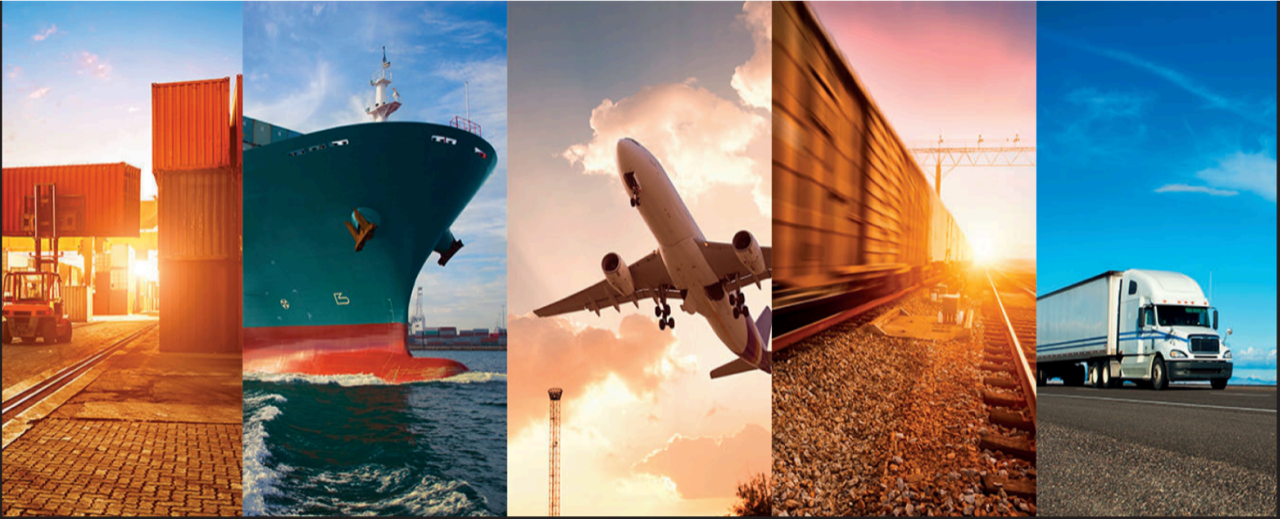
Choosing the right logistics strategy is the foundation of any successful import business operating between these two nations. Furthermore, the distance between East Asia and North America necessitates a sophisticated approach to cargo handling and route planning. Consequently, businesses must evaluate their priorities regarding budget, speed, and safety before selecting a specific transport mode.
In addition, the current market landscape for 2025 shows a stabilization of ocean freight rates from China to Canada after previous global disruptions. Specifically, major ports like Shanghai, Ningbo, and Shenzhen continue to serve as the primary gateways for Canadian-bound cargo. Moreover, understanding the geographical layout of Canada is vital because shipping to Vancouver on the West Coast differs significantly from shipping to Toronto or Montreal in the East.
Therefore, importers should seek a logistics provider that offers comprehensive tracking and transparent communication throughout the journey. By doing so, you can mitigate risks associated with port congestion or seasonal delays that often occur during the Golden Week or the Lunar New Year. Subsequently, a well-planned logistics strategy becomes a competitive advantage for your company.
What Are the Best Shipping Methods for Canada?
Ocean Freight Solutions
Ocean freight remains the most cost-effective solution for large-volume shipments and heavy goods. Indeed, most businesses utilize sea freight to transport furniture, machinery, and consumer goods in bulk. As a result, you can choose between Full Container Load (FCL) or Less than Container Load (LCL) based on your total cargo volume.
For instance, FCL is ideal for shipments that can fill a 20-foot or 40-foot container, providing better security and faster handling. On the other hand, LCL allows multiple shippers to share space in a single container, which is perfect for smaller businesses with less than 15 cubic meters of goods. Meanwhile, it is important to note that LCL involves more handling and slightly longer transit times due to the consolidation process.
Air Freight Services
When speed is the primary concern, air freight offers the fastest transit times for high-value or time-sensitive products. For example, electronics and fashion items often travel via air cargo services from Shenzhen to Toronto to meet tight market deadlines. Consequently, while the cost per kilogram is higher, the reduced inventory carrying costs can justify the investment for many importers.
Additionally, air transport provides a higher level of security and a lower risk of damage compared to ocean travel. Nevertheless, weight and volume restrictions mean that air freight is generally not suitable for very heavy or bulky industrial equipment. Therefore, many savvy businesses utilize a hybrid approach, using air for urgent restocks and sea for their main inventory.
How Does Sea Freight Compare to Other Shipping Options?
Analyzing the trade-offs between different transport modes is essential for maintaining a healthy profit margin. While sea freight offers the lowest cost, the transit time can extend to over a month for East Coast destinations. In contrast, air freight delivers goods within a week but at a significantly higher price point.
To summarize the differences, we have compiled a comparison table based on current 2025 market standards. This data helps you decide which china to canada shipping supplier logistics method aligns with your current business needs and delivery schedules.
| Shipping Method | Cost Range | Transit Time | Best For | Limitations |
|---|---|---|---|---|
| Sea Freight (FCL) | $2,500 – $4,500 | 18 – 35 Days | Bulk Goods | Longer lead time |
| Sea Freight (LCL) | $80 – $150/CBM | 25 – 45 Days | Small Batches | Higher risk of damage |
| Air Freight | $5 – $12 / kg | 3 – 7 Days | High Value | Expensive for bulk |
| Express Service | $8 – $15 / kg | 2 – 5 Days | Urgent Samples | Highest cost |
Navigating Customs Brokerage and Import Documentation
Clearing customs in Canada requires meticulous attention to detail and accurate documentation to avoid costly delays. Specifically, every importer must work with a professional customs brokerage to ensure compliance with the Canada Border Services Agency (CBSA). Furthermore, failing to provide the correct Harmonized System (HS) codes can result in significant fines and cargo seizures.
Indeed, the primary documents required include the Commercial Invoice, Packing List, and the Bill of Lading. Additionally, certain products may require specific permits or certificates of origin to qualify for preferential tariff treatments. Consequently, a proactive logistics partner will review your paperwork before the ship leaves the Chinese port to ensure everything is in order.
Moreover, you should consider the impact of the Goods and Services Tax (GST) and any applicable duties on your total landed cost. Therefore, calculating these expenses in advance is crucial for accurate product pricing in the Canadian market. Meanwhile, utilizing a customs broker can streamline this process and help you navigate complex regulations like the Special Import Measures Act (SIMA).
| Document Name | Purpose | Required By | Notes |
|---|---|---|---|
| Commercial Invoice | Value Declaration | CBSA | Must be accurate |
| Packing List | Cargo Details | Port Authority | Itemized contents |
| Bill of Lading | Title to Goods | Carrier | Proof of shipment |
| Certificate of Origin | Tariff Eligibility | Customs | Saves on duties |
Factors Influencing China to Canada Shipping Supplier Logistics Costs
Several variables determine the final price you pay for transporting goods across the Pacific Ocean. For instance, fuel surcharges, also known as Bunker Adjustment Factors (BAF), fluctuate based on global oil prices. Additionally, seasonal demand spikes during the months of August through October can increase container shipping costs by 20% or more.
Furthermore, the choice of destination port in Canada significantly impacts the inland haulage costs. Specifically, shipping to Vancouver is usually cheaper than shipping to Toronto because it avoids the long rail journey across the Canadian Rockies. Consequently, some importers choose to store goods in West Coast warehouses and distribute them locally to save on transcontinental transport fees.
In addition, the type of cargo you are shipping plays a major role in pricing. For example, shipping hazardous materials or perishable goods requires specialized containers and handling, which adds to the overall expense. Therefore, always request a detailed quote that breaks down all origin and destination charges to avoid hidden fees.
Note: Freight rates are subject to change based on fuel costs, carrier capacity, and seasonal demand. Contact us for a current quote tailored to your specific shipment.
Optimizing Amazon FBA Shipping from China to Canada
Selling on Amazon.ca requires a specialized logistics strategy to meet the strict requirements of Canadian fulfillment centers. Indeed, many successful sellers use a dedicated Amazon FBA service to handle the labeling, palletizing, and delivery of their products. As a result, you can ensure that your inventory is accepted by Amazon without any compliance issues.
Moreover, shipping directly to an FBA warehouse in Canada from China can save time and reduce double-handling costs. However, you must ensure that your china to canada shipping supplier logistics provider understands the specific appointment scheduling and delivery windows required by Amazon. Consequently, many importers prefer to use a prep center in Canada to inspect goods before they reach the final fulfillment stage.
Real-World Case Studies in China to Canada Logistics
Examining real-world examples provides valuable insights into the practical aspects of international shipping. These cases illustrate how different businesses choose their shipping methods based on cargo type and urgency. Specifically, these scenarios reflect typical market rates and transit times as of early 2025.
+———————————————————+ | Case Study 1: Electronics from Shenzhen to Vancouver | | Route: Shenzhen, China to Vancouver, Canada | | Cargo: Smart Home Devices, 68 CBM, 12,000 kg | | Container: 40HQ Full Container Load | | | | Shipping Details: | | – Carrier: Major Trans-Pacific Carrier | | – Port of Loading: Shenzhen (Yantian) | | – Port of Discharge: Vancouver (Deltaport) | | – Route Type: Direct | | | | Cost Breakdown: | | – Ocean Freight: $3,200 | | – Origin Charges: $450 | | – Destination Charges: $550 | | – Customs & Duties: $1,800 | | – Total Landed Cost: $6,000 | | | | Timeline: | | – Booking to Loading: 4 days | | – Sea Transit: 16 days | | – Customs Clearance: 2 days | | – Total Door-to-Door: 22 days | | | | Key Insight: Direct shipping to the West Coast saved | | the client $1,200 in rail transfer fees to the East. | +———————————————————+
+———————————————————+ | Case Study 2: Fashion Apparel from Shanghai to Toronto | | Route: Shanghai, China to Toronto, Canada | | Cargo: Seasonal Clothing, 2.5 CBM, 450 kg | | Method: Air Freight | | | | Shipping Details: | | – Carrier: Commercial Air Cargo | | – Port of Loading: Shanghai (PVG) | | – Port of Discharge: Toronto (YYZ) | | – Route Type: Direct Flight | | | | Cost Breakdown: | | – Air Freight: $2,475 ($5.50/kg) | | – Handling Fees: $150 | | – Customs Brokerage: $125 | | – Total Landed Cost: $2,750 | | | | Timeline: | | – Booking to Loading: 2 days | | – Air Transit: 1 day | | – Customs Clearance: 1 day | | – Total Door-to-Door: 4 days | | | | Key Insight: Air freight allowed the client to hit the | | peak shopping season window despite production delays. | +———————————————————+
Alternative Strategies and Hybrid Logistics Solutions
Beyond standard air and sea freight, several alternative strategies can help you balance cost and speed. For instance, Sea-Air hybrid solutions involve shipping goods by sea to a hub like Dubai or Singapore and then flying them to Canada. Additionally, this method is often 30-50% cheaper than pure air freight while being significantly faster than pure sea freight.
Specifically, for shipments under 15 CBM, LCL at $80-150/CBM may be more economical than a full container. However, if your volume exceeds 15 CBM, it is often more cost-effective to book a 20GP container even if it is not completely full. Consequently, calculating the break-even point between LCL and FCL is a vital step in your logistics planning.
Moreover, choosing between direct routes and transshipment can impact both your budget and your timeline. Direct routes cost 10-15% more but save 5-7 days compared to transshipment via intermediate ports. Therefore, businesses must decide if the time savings justify the additional expense based on their inventory turnover rates.
Which Option Should You Choose?
Selecting the ideal china to canada shipping supplier logistics path depends on your specific business priorities. If your primary goal is budget optimization, sea freight to the nearest port is the clear winner. Conversely, if you are handling perishable goods or urgent replacements, air freight is the only viable solution.
In addition, consider the cargo type and volume thresholds. For bulk commodities like raw materials or furniture, ocean freight is mandatory due to weight and size. Meanwhile, for high-value items like medical equipment or luxury goods, the security and speed of air transport provide better peace of mind. Ultimately, a balanced approach using door to door services can simplify the entire process by consolidating all steps under one provider.
Mastering Your China to Canada Logistics
To summarize, successful china to canada shipping supplier logistics requires a deep understanding of methods, costs, and customs regulations. By choosing the right partner and the most appropriate transport mode, you can ensure your business remains competitive in the Canadian market. Remember to plan ahead for seasonal fluctuations and maintain accurate documentation to avoid unnecessary delays.
Furthermore, staying informed about industry trends and freight rate changes will help you make better procurement decisions. Whether you choose sea or air, the key is consistency and reliability in your supply chain operations. Start optimizing your logistics today to reach your Canadian customers faster and more affordably.

Ready to streamline your logistics?
Ready to streamline your supply chain and reduce costs? Contact our china to canada shipping supplier logistics experts today for a personalized quote. Visit China Freight Logistics to start your journey toward efficient global trade. Send Inquiry: https://chinafreightlogistics.com/
Request Quote