

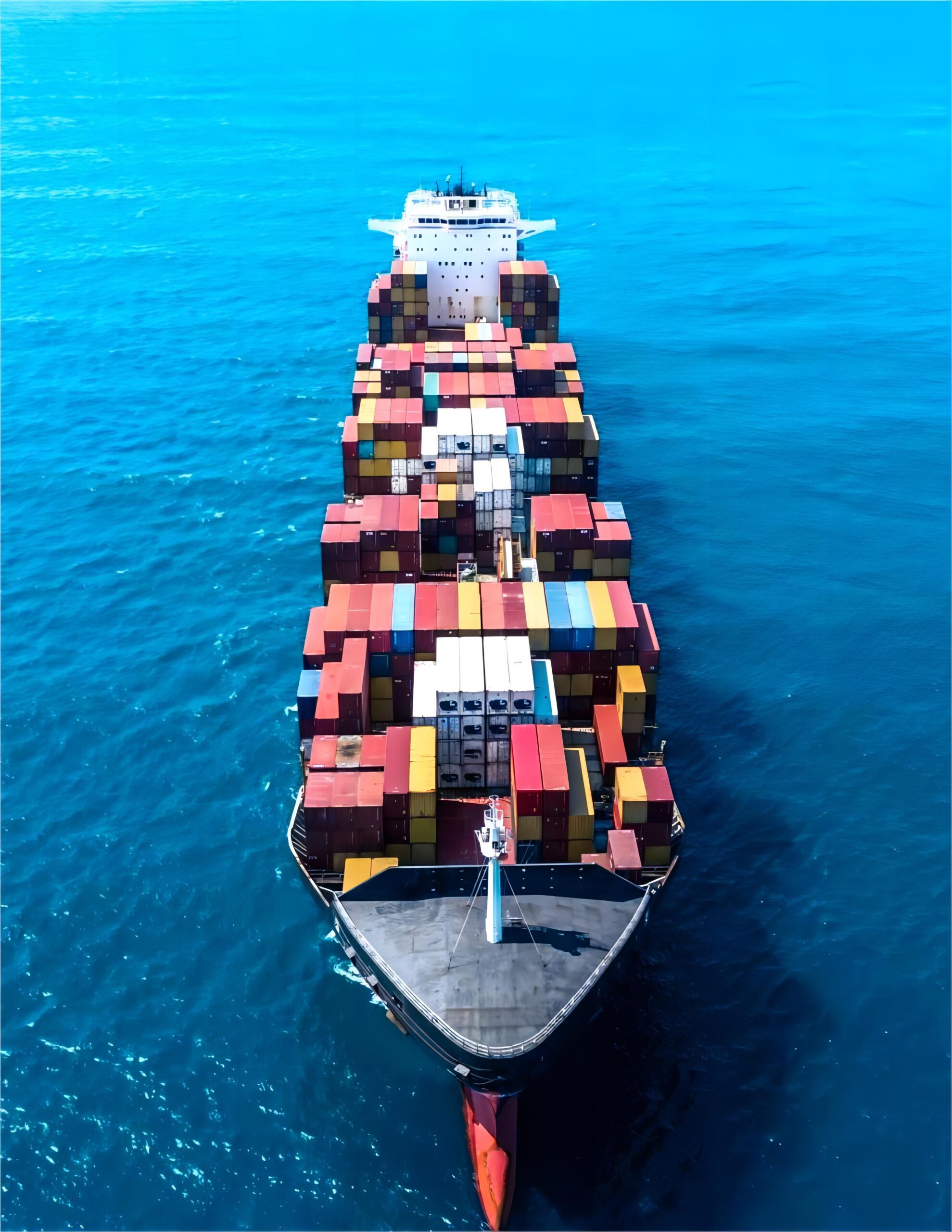
China to Australia Container Freight Express Logistics: 2026 Shipping Guide
Managing china to australia container freight express logistics requires a strategic approach to balance speed and cost efficiency in the current market. Many businesses struggle with fluctuating rates and complex customs regulations when importing goods from Chinese manufacturing hubs to major Australian ports. At China Freight Logistics, we provide comprehensive solutions that streamline your supply chain and ensure your cargo arrives safely and on schedule.

How Does Sea Freight Compare to Other Shipping Options?
Evaluating different transport modes is essential for optimizing your logistics budget and meeting delivery deadlines. While sea freight remains the most popular choice for bulk shipments due to its cost-effectiveness, other methods serve specific business needs. For instance, air freight offers unmatched speed for high-value or urgent cargo despite its significantly higher price point.
Moreover, businesses must recognize that rail freight is not a viable option for this specific route due to the geographic separation by the ocean. Consequently, your primary choices involve various maritime services or air-based solutions. Selecting the right method depends on your volume, budget, and how quickly you need the inventory to reach the Australian market.
Additionally, hybrid solutions like sea-air combinations can sometimes offer a middle ground, though they are less common for the China-Australia corridor than for European routes. Most importers find that sea freight provides the best balance of capacity and cost for standard retail and industrial goods. However, if you are shipping small parcels or samples, express courier services might be more appropriate.
| Shipping Method | Cost Range | Transit Time | Best For |
|---|---|---|---|
| FCL Sea Freight | $800 – $2,000 | 12-22 Days | Full containers/Bulk |
| LCL Sea Freight | $50 – $120/CBM | 18-28 Days | Small shipments |
| Air Freight | $4.50 – $8.50/kg | 3-7 Days | Urgent/High value |
| Express Courier | $7.50 – $13.00/kg | 2-5 Days | E-commerce/Samples |
What Are the Current Freight Rates for 2026?
Understanding market fluctuations is vital for accurate financial planning and price setting for your products. As of Q1 2026, freight rates from China to Australia have remained relatively stable compared to the volatility seen in previous years. Nevertheless, seasonal peaks such as the period leading up to the Lunar New Year still cause temporary price hikes and capacity constraints.
Furthermore, fuel surcharges and port handling fees contribute to the total landed cost of your goods. Therefore, it is important to obtain a detailed quote that breaks down all charges from the point of origin to the final destination. This transparency prevents unexpected expenses that could erode your profit margins during the import process.
Specifically, for those requiring express service, rates are typically calculated based on volumetric weight. Meanwhile, container shipping prices are influenced by the specific port of loading in China, with southern ports like Shenzhen often offering slightly different rates than northern ports like Tianjin. Note: Freight rates are subject to change based on fuel costs, carrier capacity, and seasonal demand. Contact us for a current quote tailored to your specific shipment.
| Route | 20GP Container | 40HQ Container | Transit Days |
|---|---|---|---|
| Shanghai to Sydney | $950 – $1,150 | $1,550 – $1,850 | 14-17 Days |
| Shenzhen to Melbourne | $850 – $1,050 | $1,450 – $1,750 | 12-15 Days |
| Ningbo to Brisbane | $900 – $1,200 | $1,500 – $1,900 | 16-20 Days |
| Qingdao to Adelaide | $1,100 – $1,400 | $1,800 – $2,200 | 20-25 Days |
Transit Times and Port Operations in Australia
Efficiency in transit is a hallmark of high-quality china to australia container freight express logistics services. Generally, direct sailings from major Chinese ports to the East Coast of Australia take between 12 and 18 days. However, transshipment through hubs like Singapore can add another 5 to 10 days to the total duration of the voyage.
Moreover, port congestion in Sydney or Melbourne can occasionally lead to delays in vessel berthing and container discharge. Consequently, experienced importers often build a buffer into their supply chain schedules to account for these potential bottlenecks. Indeed, choosing the right port of entry can significantly impact the speed of your local distribution.
Additionally, the time required for customs brokerage should not be overlooked when calculating your total lead time. While the physical sea transit might be fast, administrative delays can stall your cargo at the terminal. Therefore, ensuring all paperwork is ready before the vessel arrives is a critical step in the logistics chain.
Choosing Between FCL and LCL for Your Cargo
Deciding between Full Container Load (FCL) and Less than Container Load (LCL) is a fundamental choice for every importer. FCL is typically more economical if you have enough goods to fill at least 60% to 70% of a 20ft container. On the other hand, LCL allows you to share container space with other shippers, which is ideal for smaller volumes.
Furthermore, FCL shipments generally experience fewer handling risks because the container is sealed at the factory and only opened at the destination. In contrast, LCL cargo must be consolidated at a warehouse in China and de-consolidated upon arrival in Australia. This extra handling can slightly increase the risk of damage and adds a few days to the overall transit time.
Nevertheless, LCL remains a flexible and cost-effective solution for growing businesses that do not yet have the volume for full containers. For those moving large quantities of inventory, Australia focused FCL services offer the best per-unit shipping cost. Ultimately, your choice should reflect your current inventory needs and storage capacity.
Essential Customs Documentation for Australian Imports
Navigating the legal requirements of the Australian Border Force is a complex but necessary part of international trade. You must provide an accurate Commercial Invoice, a detailed Packing List, and a Bill of Lading for every shipment. Furthermore, certain products may require specific permits or certificates of origin to qualify for preferential tariff rates under trade agreements.
Additionally, Australia has strict biosecurity laws that require specialized documentation for timber packaging and organic materials. Consequently, failing to provide a valid fumigation certificate can result in expensive treatment fees or even the destruction of your goods. Therefore, working with a knowledgeable partner who understands these local nuances is highly beneficial.
Indeed, many successful importers utilize door to door services to simplify this process. This comprehensive approach ensures that customs clearance is handled professionally, allowing you to focus on your core business operations. In summary, meticulous attention to detail during the documentation phase prevents costly delays and legal complications.
Which Shipping Option Should You Choose?
Selecting the optimal logistics strategy involves evaluating your specific priorities regarding cost, speed, and cargo safety. If your primary goal is to minimize expenses and you are shipping large volumes, FCL sea freight is the clear winner. However, if you are launching a new product and need to test the market quickly, air freight or express courier might be worth the investment.
Moreover, consider the nature of your cargo when making this decision. Perishable items or high-tech electronics often justify the higher costs of air freight due to their sensitivity to time and environmental conditions. Meanwhile, durable consumer goods and industrial equipment are perfectly suited for the longer transit times of maritime shipping.
To summarize, a budget-priority approach favors sea freight, while a speed-priority approach demands air or express services. For shipments between 1 and 15 CBM, LCL often provides the most balanced solution. Always weigh the trade-offs between inventory carrying costs and the direct expenses of faster shipping methods.
Real Case Studies: Successful Logistics Operations
Case Study 1: Electronics Distribution to Sydney
Route: Shenzhen, China to Sydney, Australia. Cargo: Consumer Electronics, 12 CBM, 2,400 kg. Container: LCL. Shipping Details: Major carrier via direct route from Yantian. Port of Loading: Shenzhen. Port of Discharge: Sydney. Route Type: Direct.
Cost Breakdown: Ocean Freight: $1,150. Origin Charges: $250. Destination Charges: $450. Customs and Duties: $1,200. Total Landed Cost: $3,050. Timeline: Booking to Loading: 3 days. Sea Transit: 14 days. Customs Clearance: 2 days. Total Door-to-Door: 19 days. Key Insight: Utilizing a direct LCL service from Shenzhen reduced transit time by 6 days compared to transshipment via Singapore.
Case Study 2: Furniture Import to Melbourne
Route: Ningbo, China to Melbourne, Australia. Cargo: Home Furniture, 68 CBM. Container: 40HQ. Shipping Details: COSCO Shipping. Port of Loading: Ningbo. Port of Discharge: Melbourne. Route Type: Direct.
Cost Breakdown: Ocean Freight: $1,750. Origin Charges: $320. Destination Charges: $580. Customs and Duties: $2,100. Total Landed Cost: $4,750. Timeline: Booking to Loading: 5 days. Sea Transit: 18 days. Customs Clearance: 3 days. Total Door-to-Door: 26 days. Key Insight: Based on Q3 2025 market rates, the 40HQ container provided a 30% lower per-unit cost than multiple LCL shipments.
Final Thoughts on Australian Freight Logistics
Successfully managing china to australia container freight express logistics is a cornerstone of profitable importing. By understanding the differences between FCL and LCL, staying informed about 2026 freight rates, and preparing your documentation meticulously, you can avoid common pitfalls. Furthermore, choosing the right partner ensures that your cargo is handled with care from the factory floor in China to your warehouse in Australia.
In conclusion, while the logistics landscape continues to evolve, the fundamentals of maritime and air trade remain consistent. Prioritize clear communication and strategic planning to navigate the complexities of international shipping. We are here to support your journey and provide the reliable service your business deserves.
Need a tailored shipping solution?
Streamline your supply chain today with our expert china to australia container freight express logistics solutions. Our team provides transparent pricing and reliable schedules to help your business grow in the Australian market. Contact us now for a personalized quote and professional guidance on your next shipment. Visit our inquiry page to get started: See: https://chinafreightlogistics.com/