

China Ecommerce Logistics Solution Pricing: 2026 Strategic Guide
Developing a competitive edge in the global market requires a deep understanding of china ecommerce logistics solution pricing to ensure sustainable profitability. As we navigate the shipping landscape of 2026, businesses must align with experienced partners like China Freight Logistics to manage rising operational costs. This comprehensive guide provides the data and strategic insights necessary to navigate complex international freight markets effectively. Consequently, you will be better equipped to choose the right shipping methods that balance speed and expense.

What Factors Influence China Ecommerce Logistics Solution Pricing in 2026?
Several variables contribute to the final cost of moving goods from Chinese manufacturing hubs to global consumers. Fuel surcharges and carrier capacity remain the most volatile elements in the current market. Moreover, seasonal demand spikes during the third and fourth quarters often lead to significant price fluctuations. Understanding these drivers allows businesses to plan their inventory cycles more efficiently.
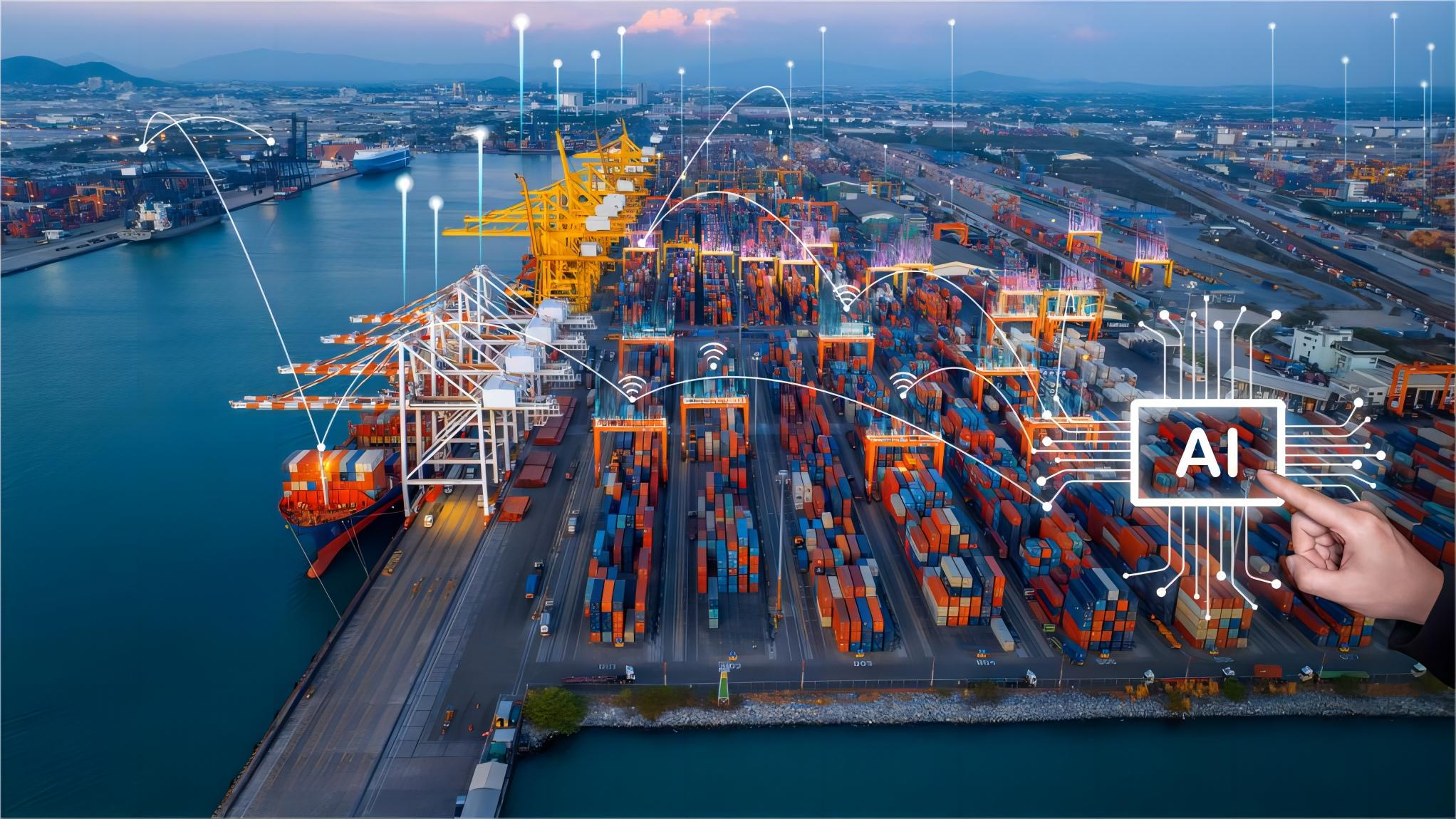
Labor costs within the logistics sector have also seen a steady increase as automation becomes more prevalent. Specifically, the integration of AI-driven sorting systems has improved speed but requires higher initial capital investment. Furthermore, port congestion in major transit hubs can introduce unexpected demurrage and detention fees. These factors collectively determine the baseline for any logistics quote you receive.
Geopolitical stability plays a crucial role in maintaining predictable freight rates across major trade lanes. For instance, shifts in trade policies or regional conflicts can force carriers to reroute vessels, adding both time and cost. Additionally, environmental regulations regarding carbon emissions are now directly impacting surcharges. Most carriers have implemented ‘green fees’ to offset the cost of cleaner fuels in 2026.
Currency exchange rates between the Yuan and the US Dollar or Euro also influence the total landed cost. Consequently, a slight shift in the financial markets can either erode your margins or provide a temporary cost advantage. Smart retailers often use hedging strategies or long-term contracts to mitigate these specific risks. Therefore, staying informed about global economic trends is essential for logistics planning.
How Does Sea Freight Compare to Other Shipping Options?
Ocean transport remains the backbone of global trade due to its high capacity and relatively low cost. When evaluating sea freight, businesses must weigh the long transit times against the significant savings compared to air transport. This method is particularly suitable for bulky items or high-volume shipments where the time-to-market is not the primary concern.
Alternative strategies involve using Less than Container Load (LCL) shipments for smaller batches of inventory. While LCL provides flexibility, it often carries higher per-unit costs than Full Container Load (FCL) due to consolidation handling. On the other hand, sea-air hybrid solutions have gained popularity in 2026 for those needing a middle ground. These hybrid routes typically involve shipping by sea to a hub like Dubai or Singapore before flying the cargo to the final destination.
Cost-saving strategies often involve booking shipments at least four to six weeks in advance to secure lower rates. Indeed, spot market prices can be 20% higher than contracted rates during peak periods. To help you decide, the following table provides an objective analysis of the primary shipping methods available from China.
| Sea Freight (FCL) | Low ($2,500-$4,500) | 25-40 Days | Bulk Inventory |
| Air Freight | High ($5-$12/kg) | 3-7 Days | High-Value Goods |
| Rail Freight | Medium ($3,500-$5,500) | 15-22 Days | Central Europe |
| Express Service | Very High ($8-$15/kg) | 2-5 Days | Samples/Urgent |
Why Should You Consider Air Freight for Fast Ecommerce Delivery?
Speed is the most significant advantage when utilizing air freight for your ecommerce operations. In a market where consumer expectations for fast delivery are at an all-time high, air transport ensures inventory remains fresh. Moreover, it reduces the need for large safety stocks, which can lower your overall warehousing expenses.
Inventory turnover rates generally improve when you can replenish stock within a single week. Consequently, businesses can react faster to viral trends or unexpected surges in demand without losing sales. However, the premium price of air transport requires a high product margin to remain viable. For products with low margins, this method is usually reserved for emergency restocks only.
Security is another factor that makes air transport attractive for electronics and luxury items. Specifically, airports have stringent security protocols that significantly reduce the risk of theft or damage during transit. Additionally, the shorter time spent in the supply chain minimizes the exposure to environmental hazards. Therefore, high-value shipments often justify the increased china ecommerce logistics solution pricing associated with air travel.
Can Rail Freight Provide a Balanced China Ecommerce Logistics Solution Pricing?
The Trans-Eurasian rail network has become a vital alternative for shipments moving from China to Europe. It offers a transit time that is roughly half that of sea freight while costing significantly less than air freight. For many businesses, this represents the ‘goldilocks’ zone of logistics efficiency in 2026. Nevertheless, rail options are limited by geography and are not applicable for North American or Australian routes.
Reliability has improved as infrastructure investments across Central Asia have matured over the last few years. As a result, many ecommerce sellers now use rail as their primary method for mid-season restocking. This approach allows them to maintain a steady flow of goods without the extreme costs of flying inventory. Furthermore, rail transport is considered more environmentally friendly than air or sea transport per ton-kilometer.
Planning for rail shipments requires careful attention to the specific departure hubs in China, such as Xi’an or Chengdu. Each hub may have different schedules and pricing structures based on local subsidies and carrier availability. Meanwhile, the documentation process for rail is similar to sea freight but often moves faster through land-based customs. Accordingly, rail is a robust component of a diversified china ecommerce logistics solution pricing strategy.
Which Option Should You Choose for Your Business Model?
Selecting the right logistics strategy depends entirely on your specific business priorities and cargo characteristics. If your primary goal is budget optimization, sea freight is the clear winner for large volumes. On the other hand, if you prioritize speed to capture market share, air or express service is necessary. Most successful companies use a tiered approach, blending multiple methods to balance cost and speed.
Volume thresholds often dictate when it is time to switch from one method to another. For example, once your weekly volume exceeds 15 cubic meters, switching from LCL to FCL can save you up to 30% in freight costs. Similarly, moving from express couriers to air freight forwarding becomes more economical once shipments exceed 100 kilograms. By monitoring these thresholds, you can proactively adjust your strategy to maintain efficiency.
Cargo type also plays a massive role in the decision-making process. Perishable goods or hazardous materials have limited options and often require specialized handling that increases the base price. Without a doubt, consulting with a professional forwarder can help identify the most cost-effective path for specialized cargo. Use the following criteria to guide your selection process in 2026.

Budget Priority
Recommend: Sea Freight (FCL). Focus on long-term planning and bulk ordering to minimize the per-unit shipping cost. This strategy works best for established products with predictable demand cycles.
Speed Priority
Recommend: Air Freight or Express. Ideal for product launches, seasonal peaks, or high-value electronics where speed-to-market defines success. This ensures you never miss a sales window due to stockouts.
Balanced Approach
Recommend: Rail Freight or Sea-Air Hybrid. Best for businesses operating in Europe or those looking to bridge the gap between slow ocean transit and expensive air transport.
Real-World Case Studies for 2026 Logistics
Examining real scenarios helps clarify how china ecommerce logistics solution pricing translates into actual landed costs. These examples reflect the market conditions of early 2026 and include all standard fees. Note that these rates are benchmarks and can vary based on specific carrier agreements.
Case Study 1: Electronics from Shenzhen to Los Angeles. This shipment utilized a premium sea freight service to ensure fast clearance and delivery to a West Coast warehouse. The focus was on balancing cost with a strict 20-day arrival window.
Case Study 2: Home Decor from Ningbo to Hamburg. This example highlights the efficiency of rail freight for the European market. By choosing rail over sea, the importer saved 15 days of transit time while keeping costs manageable.
Case Study 1: Consumer Electronics Restock
+———————————————————+ | Route: Shenzhen, China -> Los Angeles, USA | | Cargo: Smart Home Devices, 28 CBM, 4,500 kg | | Container: 40GP (Full Container Load) | | | | Shipping Details: | | – Carrier/Service: Major Trans-Pacific Carrier | | – Port of Loading: Shenzhen | | – Port of Discharge: Los Angeles | | – Route Type: Direct Service | | | | Cost Breakdown: | | – Ocean Freight: $3,200 | | – Origin Charges: $450 | | – Destination Charges: $650 | | – Customs & Duties: $1,200 | | – Total Landed Cost: $5,500 | | | | Timeline: | | – Booking to Loading: 4 days | | – Sea Transit: 16 days | | – Customs Clearance: 3 days | | – Total Door-to-Door: 23 days | | | | Key Insight: Direct routes saved 7 days over | | transshipment options for a 12% price premium. | +———————————————————+
Case Study 2: Seasonal Home Decor
+———————————————————+ | Route: Ningbo, China -> Hamburg, Germany | | Cargo: Wooden Decor Items, 12 CBM, 2,200 kg | | Container: LCL (Less than Container Load) | | | | Shipping Details: | | – Carrier/Service: China-Europe Railway Express | | – Port of Loading: Ningbo (via Xi’an Hub) | | – Port of Discharge: Hamburg Rail Terminal | | – Route Type: Rail Freight | | | | Cost Breakdown: | | – Rail Freight: $2,100 | | – Origin Charges: $300 | | – Destination Charges: $400 | | – Customs & Duties: $850 | | – Total Landed Cost: $3,650 | | | | Timeline: | | – Booking to Loading: 5 days | | – Rail Transit: 18 days | | – Customs Clearance: 2 days | | – Total Door-to-Door: 25 days | | | | Key Insight: Rail provided a 40% cost saving | | compared to air freight with reliable timing. | +———————————————————+
What Role Does Customs Brokerage Play in Your Total Shipping Cost?
Navigating the legal requirements of international trade is often the most complex part of the logistics chain. Professional customs brokerage services ensure that your documentation is accurate, preventing costly delays and fines. In 2026, many customs authorities have implemented stricter digital filing requirements that necessitate expert oversight.
Incorrect HS code classification is one of the leading causes of overpayment in duties and taxes. Consequently, a skilled broker can help you identify the most accurate codes to minimize your tax liability legally. Furthermore, they can advise on trade agreements that may offer duty exemptions for specific product categories. This expertise often pays for itself through the savings generated on import taxes.
Compliance with local regulations regarding product safety and labeling is also critical for ecommerce sellers. For instance, failing to include the correct certifications can lead to your entire shipment being seized or destroyed at the border. Additionally, the cost of storage at the port while resolving paperwork issues can quickly exceed the original freight cost. Therefore, integrating customs expertise into your china ecommerce logistics solution pricing model is a non-negotiable step for global success.
| Commercial Invoice | Value Declaration | Customs | Included |
| Packing List | Cargo Verification | Carrier/Customs | Included |
| Bill of Lading | Title of Goods | Carrier | $50-$100 |
| Cert. of Origin | Duty Preferential | Customs | $30-$75 |
Optimizing for Amazon FBA and Last-Mile Delivery
For sellers using the Amazon FBA program, logistics requirements are even more stringent. Amazon has specific rules regarding pallet dimensions, labeling, and delivery appointments that must be followed to avoid rejection. Consequently, your logistics provider must be well-versed in these requirements to ensure a smooth transition from the port to the fulfillment center.
Last-mile delivery costs have become a significant portion of the total china ecommerce logistics solution pricing in 2026. As fuel prices and labor costs for local couriers rise, optimizing the final leg of the journey is essential. Many sellers now choose to split their inventory across multiple regional warehouses to reduce the distance and cost of the final delivery to the consumer. This distributed inventory model helps maintain competitive shipping speeds while controlling expenses.
Technology integration between your ecommerce platform and your logistics provider can further streamline this process. For example, real-time tracking updates improve customer satisfaction and reduce the burden on your support team. Moreover, automated inventory syncing prevents overselling and ensures that you only ship what is actually in stock. Indeed, the synergy between software and physical logistics is the hallmark of a modern supply chain.
Final Thoughts on China Ecommerce Logistics Solution Pricing
Mastering china ecommerce logistics solution pricing is an ongoing process that requires constant monitoring of market trends and carrier performance. By diversifying your shipping methods and leveraging the expertise of professional freight forwarders, you can build a resilient supply chain. Remember that the cheapest option is not always the most cost-effective if it leads to stockouts or poor customer experiences.
Investing in quality logistics planning in 2026 will pay dividends through improved profit margins and higher customer retention. Whether you choose sea, air, or rail, ensure that your strategy aligns with your long-term business goals. Note: Freight rates are subject to change based on fuel costs, carrier capacity, and seasonal demand. Contact us for a current quote tailored to your specific shipment.
Ready to streamline your logistics?
Ready to optimize your supply chain and reduce expenses? Contact our experts today to receive a customized quote for your china ecommerce logistics solution pricing. Visit our inquiry page to get started: Send Inquiry
Request Quote