

LCL Shipping China Singapore: The Complete 2025 Logistics Guide
Managing international trade requires a deep understanding of transport methods, especially when handling smaller cargo volumes. Businesses often seek the most cost-effective way to move goods from manufacturing hubs to Southeast Asian markets. China Freight Logistics provides comprehensive solutions for those looking to optimize their supply chain. This guide explores everything you need to know about lcl shipping china singapore to help you make informed decisions for your business operations.
What is LCL Shipping China Singapore?
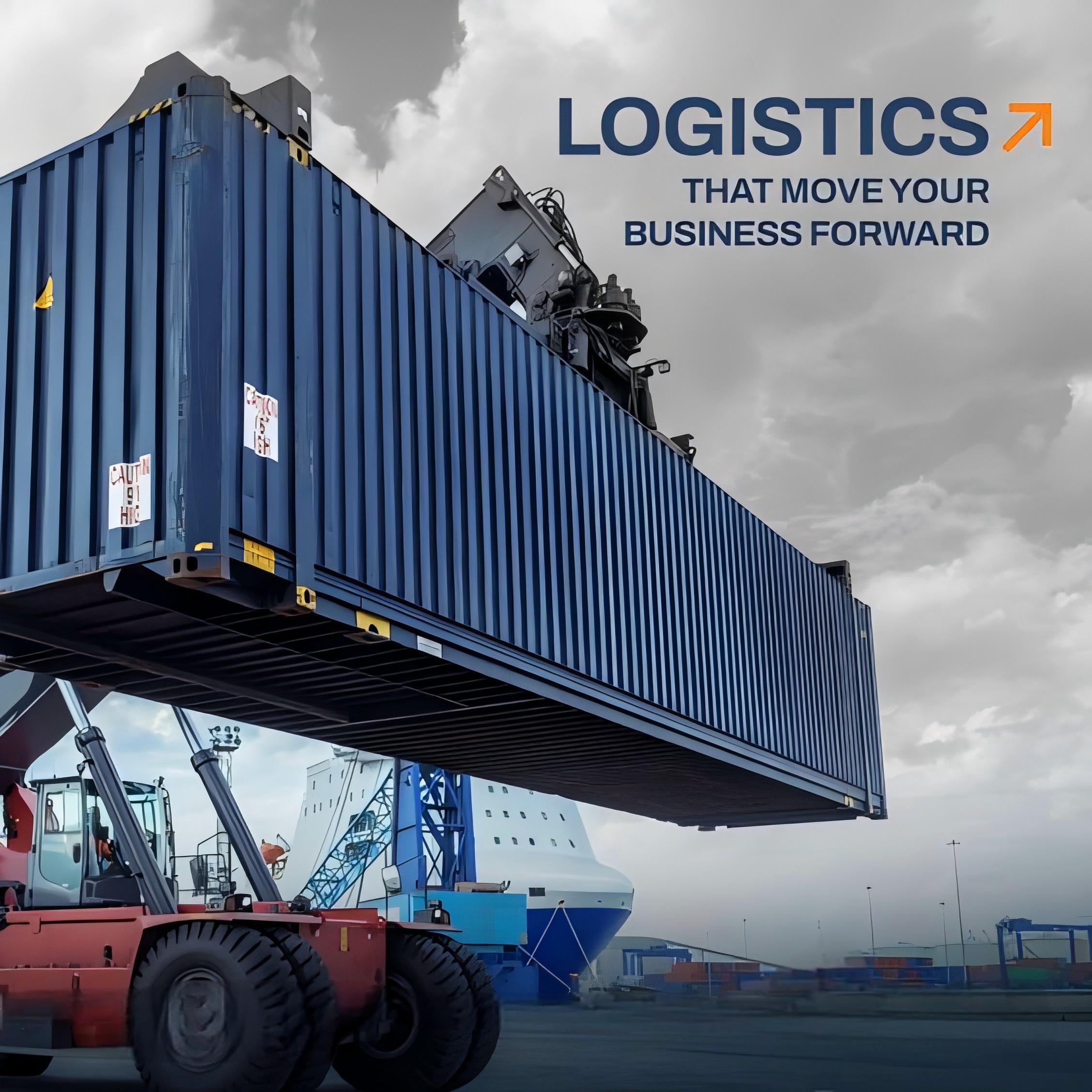
Less than Container Load, commonly known as LCL, is a shipping method where multiple shippers share space within a single ocean container. This approach is ideal for businesses that do not have enough goods to fill an entire 20-foot or 40-foot container. Consequently, you only pay for the volume you actually use, measured in cubic meters.
Importers frequently choose this method when shipping from China to Singapore because it offers significant flexibility. Furthermore, the proximity between these two major trading hubs ensures a steady flow of consolidated cargo. By utilizing sea freight consolidation, small and medium enterprises can access global markets without the high overhead of full container costs.
Shipping logistics involve complex coordination between the origin warehouse and the final destination. In the context of lcl shipping china singapore, your goods are gathered at a container freight station in China. There, they are packed alongside other shipments destined for the Port of Singapore. This process ensures that every inch of container space is utilized efficiently, reducing the environmental impact and the overall cost per unit.
How Does LCL Shipping Compare to Other Shipping Options?
Choosing the right transport mode depends heavily on your budget, timeline, and cargo volume. While LCL is excellent for small shipments, it is important to understand how it stacks up against air freight or full container loads. For instance, air freight is significantly faster but comes with a much higher price tag per kilogram.
On the other hand, Full Container Load (FCL) becomes more economical once your cargo volume exceeds approximately 15 cubic meters. If you are shipping very small, high-value items, you might consider an express service for door-to-door speed. However, for most general merchandise, LCL remains the most balanced option for cost and capacity.
Below is a detailed comparison of the primary shipping methods available for the China to Singapore route. This table helps visualize the trade-offs between speed and expense.
| Shipping Method | Cost Range | Transit Time | Best For |
|---|---|---|---|
| LCL Sea Freight | $40 – $90 per CBM | 8 – 12 Days | Small shipments (1-15 CBM) |
| FCL Sea Freight | $600 – $1,200 per 20GP | 7 – 10 Days | Large volumes (>15 CBM) |
| Air Freight | $2.50 – $5.00 per KG | 3 – 5 Days | Urgent or high-value goods |
| Express Courier | $6.00 – $10.00 per KG | 1 – 3 Days | Samples and documents |
Understanding LCL Shipping China Singapore Costs
Pricing for LCL shipments is primarily based on the volume of the cargo, calculated in cubic meters (CBM). Nevertheless, the weight of the goods can also play a role if the shipment is exceptionally heavy. Most carriers use a weight-to-measure ratio of 1000kg to 1CBM to determine the billable volume.
Ocean freight is only one part of the total landed cost you will encounter. Specifically, you must account for origin charges, such as trucking to the warehouse and export documentation. In addition, destination charges in Singapore include port handling fees, terminal handling charges, and delivery to your final address.
Market data suggests that rates fluctuate based on seasonal demand and fuel surcharges. During peak seasons like the weeks leading up to Chinese New Year, prices often increase by 15-25 percent. Therefore, it is essential to request a current quote to ensure your budget remains accurate. Note: Freight rates are subject to change based on fuel costs, carrier capacity, and seasonal demand. Contact us for a current quote tailored to your specific shipment.
Transit Times and Port Schedules
Shipping from China to Singapore is one of the most efficient maritime routes in the world. Major ports like Shanghai, Ningbo, and Shenzhen offer multiple weekly departures to Singapore. Generally, the sea transit itself takes between 4 to 7 days depending on the departure port in China.
However, the total door-to-door time for LCL is longer than FCL because of the consolidation and deconsolidation phases. You should allow an additional 3 to 5 days for the cargo to be processed at the container freight stations. This means a typical lcl shipping china singapore timeline ranges from 10 to 14 days in total.
The following table provides an industry average for transit times from various Chinese hubs to the Port of Singapore.
| Origin Port | Sea Transit | Total Door-to-Door | Frequency |
|---|---|---|---|
| Shenzhen / Guangzhou | 4 – 5 Days | 9 – 11 Days | Daily |
| Shanghai / Ningbo | 5 – 7 Days | 11 – 14 Days | 3-4 times weekly |
| Qingdao / Tianjin | 8 – 10 Days | 15 – 18 Days | Weekly |
| Xiamen | 5 – 6 Days | 10 – 12 Days | 2-3 times weekly |
Essential Customs Documentation and Compliance
Navigating the regulatory landscape is a critical step for successful importation into Singapore. The Singapore Customs authority requires specific paperwork to clear goods and assess the Goods and Services Tax (GST). Without the correct documents, your shipment could face significant delays or even penalties at the border.
Professional customs brokerage services are highly recommended for first-time importers. They ensure that your Harmonized System (HS) codes are accurate and that all permits are filed correctly. Indeed, having a clear commercial invoice and packing list is the foundation of a smooth clearance process.
Moreover, you must ensure that your business is registered with Singapore Customs as an importer. This involves obtaining a Unique Entity Number (UEN) and activating your customs account. Proper preparation prevents the cargo from being held at the terminal, which can lead to expensive storage fees.
Step-by-Step LCL Shipping Process Explained
Starting the process begins with obtaining a quote and booking your space with a freight forwarder. Once the booking is confirmed, you must arrange for your supplier to deliver the goods to the designated warehouse in China. Alternatively, you can request a door to door pickup service for added convenience.
At the warehouse, workers measure and weigh your cargo to verify the final billable volume. Following this, the goods are consolidated into a container with other shipments. The container is then sealed and moved to the port for loading onto the vessel bound for Singapore.
Upon arrival in Singapore, the container is transported to a local warehouse for deconsolidation. After the individual shipments are separated, customs clearance is performed. Finally, the goods are delivered to your warehouse or office, completing the lcl shipping china singapore journey.

Real-World Case Studies: LCL Shipping China Singapore
Case Study 1: Small Electronics Batch. Route: Shenzhen to Singapore. Cargo: 3 CBM of consumer electronics. Shipping Details: Major carrier via direct route. Cost Breakdown: Ocean Freight $180, Origin Charges $120, Destination Charges $150, Customs/GST $210 (Estimated). Total Landed Cost: $660. Timeline: Sea Transit 4 days, Total Door-to-Door 10 days. Key Insight: Using LCL allowed the business to maintain stock levels without over-investing in inventory.
Case Study 2: Boutique Furniture Import. Route: Ningbo to Singapore. Cargo: 5.5 CBM of wooden furniture. Shipping Details: Transshipment via Hong Kong. Cost Breakdown: Ocean Freight $320, Origin Charges $150, Destination Charges $190, Customs/GST $400 (Estimated). Total Landed Cost: $1,060. Timeline: Sea Transit 7 days, Total Door-to-Door 14 days. Key Insight: Professional packing and crating at the origin prevented damage during the consolidation process.
Case Study 3: E-commerce Inventory. Route: Shanghai to Singapore. Cargo: 2 CBM of apparel. Shipping method: Amazon FBA prep and ship. Cost Breakdown: Total Door-to-Door $480. Timeline: 12 days. Key Insight: Integrated logistics saved the seller time by handling labeling and delivery directly to the fulfillment center.
Which Option Should You Choose? Decision Framework
Determining the best shipping strategy requires evaluating your specific business needs. If your primary goal is budget optimization and your volume is under 15 CBM, LCL is undoubtedly your best choice. However, if you are working with tight deadlines for a product launch, air freight might be necessary despite the cost.
Consider the nature of your cargo as well. Fragile or extremely high-value items might benefit from the reduced handling of an FCL shipment or the speed of air transport. For standard commercial goods, lcl shipping china singapore provides the most sustainable long-term logistics model.
To summarize, you should choose LCL when you have a moderate budget, a flexible timeline of about two weeks, and cargo that fits within standard pallets. This method allows you to scale your business gradually without the pressure of filling large containers.
Final Thoughts on LCL Shipping
Mastering lcl shipping china singapore is a game-changer for businesses looking to expand their reach in the Asian market. By leveraging consolidation, you can enjoy the benefits of sea freight without the high costs of full containers. This approach provides the flexibility needed to manage inventory efficiently and respond to market demands quickly.
Furthermore, partnering with a reliable logistics provider ensures that your documentation and customs requirements are handled with precision. As trade between China and Singapore continues to grow, staying informed about the latest shipping trends and rates will keep your business competitive. Start optimizing your supply chain today by choosing the right LCL partner.
Ready to streamline your logistics?
Ready to streamline your imports? Contact us today to receive a competitive quote for your next lcl shipping china singapore project. Our team is standing by to help you navigate the complexities of international trade and ensure your cargo arrives safely and on time. Visit our website to learn more about our tailored logistics solutions.
Request Quote