

Customs clearance China with tracking: The 2025 expert shipping guide
Navigating international trade requires precision and total visibility over your supply chain. When businesses manage customs clearance China with tracking, they reduce uncertainty and protect their bottom line. China Freight Logistics provides the professional support needed to handle complex regulations while maintaining constant visibility over your cargo. This level of transparency ensures that every milestone in the shipping process is documented and accessible.
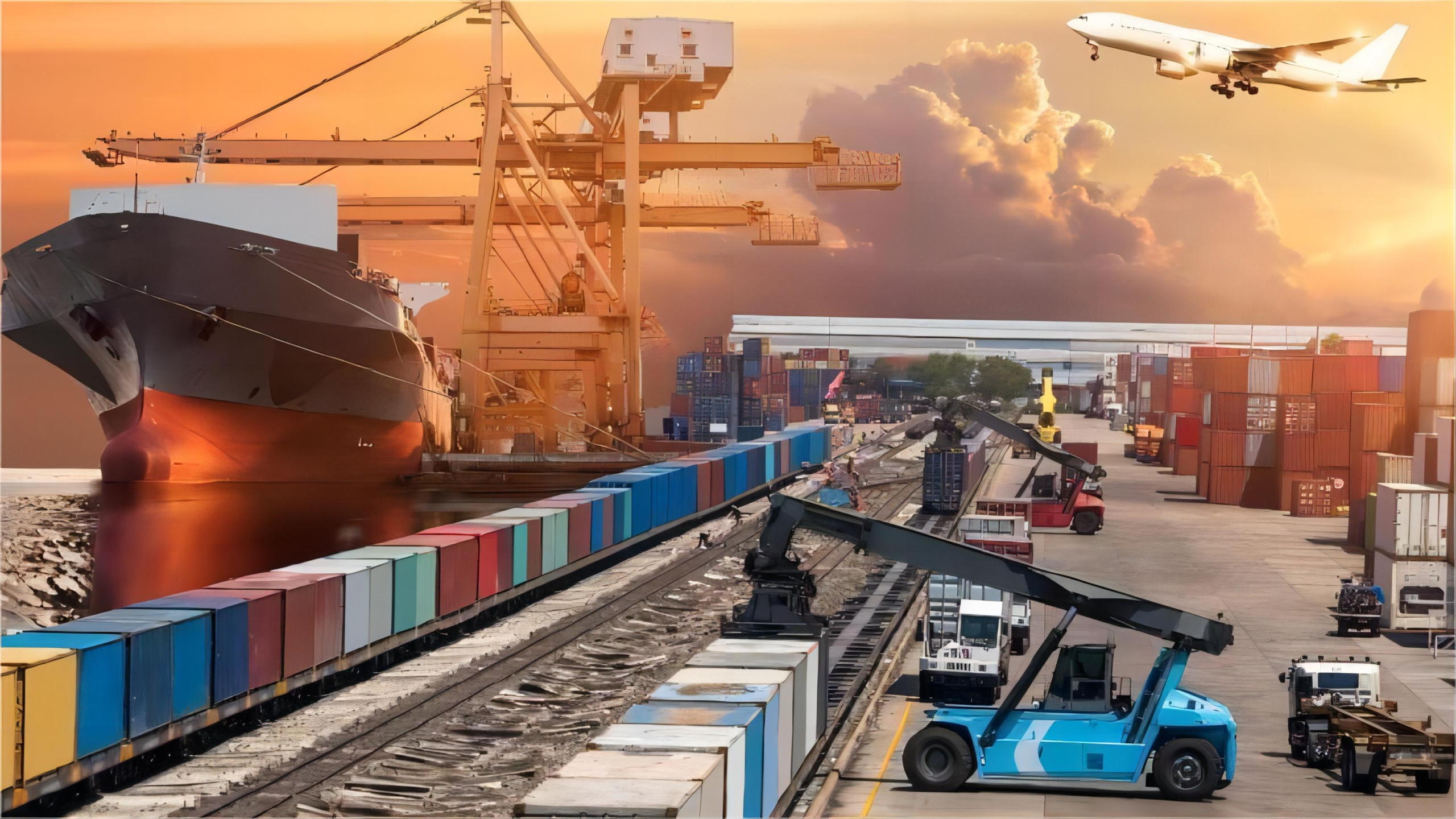
Why is customs clearance China with tracking essential for modern businesses?
Modern global trade demands more than just moving goods from point A to point B. Specifically, businesses need to know exactly where their shipments are to manage inventory levels effectively. Consequently, customs clearance China with tracking has become a standard requirement for importers who value efficiency and predictability.
Delays at the border can lead to significant financial losses and disrupted production schedules. Furthermore, real-time monitoring allows logistics managers to identify potential bottlenecks before they become critical issues. By integrating tracking data with customs status, companies can provide accurate delivery estimates to their end customers.
Moreover, the ability to track a shipment through the customs process provides peace of mind. Therefore, choosing a partner that offers an integrated customs brokerage service with digital tracking is a strategic advantage. This integration ensures that all electronic data interchange requirements are met while keeping you informed.
Understanding the documentation needed for customs clearance China with tracking
Proper documentation remains the cornerstone of a successful import process. In fact, many delays occur simply because of missing or incorrect paperwork. Additionally, having digital copies of these documents linked to your tracking number can speed up the verification process significantly.
Importers must ensure that their commercial invoice and packing list are perfectly aligned. Meanwhile, the Bill of Lading serves as both a receipt for the goods and a contract of carriage. Without these documents, customs clearance China with tracking becomes significantly more difficult to manage.
In contrast, well-prepared shipments move through the system with minimal human intervention. Consequently, understanding the specific requirements for your cargo type is essential for maintaining a smooth delivery schedule.
| Document Name | Primary Purpose | Tracking Role | Required For |
|---|---|---|---|
| Commercial Invoice | Details value and buyer/seller info | Links value to tracking ID | All Shipments |
| Packing List | Describes physical cargo details | Verifies weight and volume | All Shipments |
| Bill of Lading | Title of goods and contract | Primary tracking reference | Sea/Rail Freight |
| Certificate of Origin | Confirms where goods were made | Determines duty rates | Specific Trade Deals |
How does customs clearance China with tracking compare to other shipping options?
Analyzing different transport modes is vital for optimizing your logistics budget. For instance, sea freight offers the lowest cost for large volumes but requires longer transit times. However, sea freight tracking has improved significantly with satellite technology and automated manifest systems.
Alternatively, air freight provides the fastest delivery for time-sensitive cargo. Although it is more expensive, the high level of security and rapid customs processing often justify the investment. Indeed, air shipments usually clear customs within 24 to 48 hours.
Furthermore, rail freight serves as a middle ground for shipments moving between China and Europe. It offers faster speeds than sea and lower costs than air. Consequently, it has become a popular alternative strategy for businesses seeking a balance between cost and speed.
| Shipping Method | Cost Range | Transit Time | Tracking Level |
|---|---|---|---|
| Sea Freight (FCL) | $1,500 – $4,500 | 18 – 45 Days | High (Port-to-Port) |
| Air Freight | $4.50 – $9.00/kg | 3 – 7 Days | Very High (Real-time) |
| Rail Freight | $2,000 – $3,500 | 15 – 22 Days | Medium (Station-to-Station) |
| Express Service | $8.00 – $15.00/kg | 2 – 5 Days | Premium (Door-to-Door) |

Which shipping method should you choose?
Choosing the right method depends on your specific business priorities. If your primary goal is budget conservation, sea freight is almost always the best choice for large volumes. On the other hand, if speed is the priority, air freight or express services are necessary.
Specifically, for shipments under 15 CBM, Less than Container Load (LCL) shipping might be more economical than a full container. In contrast, Full Container Load (FCL) offers better security and often faster customs clearance because the container is not shared with other importers. Therefore, volume thresholds should dictate your final decision.
Moreover, consider the nature of your cargo when selecting a method. High-value electronics benefit from the speed and security of air travel. Meanwhile, bulky industrial machinery is better suited for the heavy cargo handling capabilities of ocean carriers. Ultimately, a hybrid approach using different modes for different product lines can optimize your entire supply chain.
The role of HS code classification in customs clearance China with tracking
Accurate HS code classification is critical for determining the correct import duties and taxes. Indeed, a single digit error can lead to significant fines or even cargo seizure. Consequently, professional customs clearance China with tracking includes a thorough review of your product specifications to ensure compliance.
Furthermore, many countries offer duty drawback programs for specific types of goods. By using the correct classification, businesses can sometimes recover a portion of the duties paid. Additionally, tracking your HS code usage across multiple shipments helps maintain consistency in your customs declarations.
Moreover, the HS code determines whether your goods require special export licenses or certificates. Because regulations change frequently, staying updated on the latest tariff schedules is a full-time job. Therefore, relying on expert logistics providers ensures that your documentation always meets current legal standards.
Common challenges in China customs and how to avoid them
Port congestion and labor strikes can occasionally disrupt even the best-planned logistics. However, having customs clearance China with tracking allows you to see these delays in real-time. As a result, you can communicate proactively with your customers and adjust your expectations accordingly.
Another common challenge involves discrepancies in the declared value of goods. Customs authorities are very sensitive to under-valuation and may flag shipments for physical inspection. Specifically, a physical inspection can add several days to your transit time and incur additional storage fees.
In addition, missing information on the packing list often triggers manual reviews. To avoid this, ensure every item is clearly described and matches the commercial invoice. Consequently, a meticulous approach to paperwork is the best defense against unexpected customs delays.
Realistic Case Studies for China Shipping
Case Study 1: Electronics from Shenzhen to Los Angeles
Case Study 1: High-Tech Consumer Electronics. Route: Shenzhen, China to Los Angeles, USA. Cargo: Smart Home Devices, 68 CBM, 12,500 kg. Container: 40HQ. Shipping Details: Carrier: COSCO. Port of Loading: Shenzhen. Port of Discharge: Los Angeles. Route Type: Direct. Cost Breakdown: Ocean Freight: $3,200. Origin Charges: $450. Destination Charges: $650. Customs and Duties: $4,200. Total Landed Cost: $8,500. Timeline: Booking to Loading: 3 days. Sea Transit: 16 days. Customs Clearance: 2 days. Total Door-to-Door: 21 days. Key Insight: Using a direct route saved 5 days compared to transshipment options, which was critical for a product launch.
Case Study 2: Industrial Machinery from Shanghai to Hamburg
Case Study 2: Heavy Industrial Equipment. Route: Shanghai, China to Hamburg, Germany. Cargo: CNC Machinery, 24 CBM, 8,000 kg. Container: 20GP. Shipping Details: Carrier: Maersk. Port of Loading: Shanghai. Port of Discharge: Hamburg. Route Type: Transshipment via Singapore. Cost Breakdown: Ocean Freight: $2,100. Origin Charges: $380. Destination Charges: $520. Customs and Duties: $1,800. Total Landed Cost: $4,800. Timeline: Booking to Loading: 5 days. Sea Transit: 32 days. Customs Clearance: 3 days. Total Door-to-Door: 40 days. Key Insight: Accurate HS code classification prevented a potential $2,000 fine during a random customs audit in Hamburg.

Cost-saving strategies for your international logistics
Reducing shipping costs requires a combination of planning and flexibility. For example, booking your shipments at least two to three weeks in advance can help you secure lower freight rates. Furthermore, consolidating multiple small shipments into a single FCL shipment can significantly reduce per-unit costs.
Additionally, consider the impact of seasonal demand on pricing. Rates typically increase 15-25% during the August-October peak season as retailers prepare for the holidays. Consequently, shipping outside of these peak windows can lead to substantial savings for non-urgent cargo.
Moreover, choosing door to door service often simplifies the billing process. By bundling trucking, shipping, and customs clearance into one price, you can avoid hidden fees from multiple vendors. Ultimately, transparency in pricing is just as important as transparency in tracking.
Market Intelligence: 2025 Shipping Trends
As of Q1 2025, freight rates from China have stabilized after the disruptions seen in previous years. However, fuel surcharges remain a variable that importers must monitor closely. Specifically, industry benchmarks suggest that green shipping initiatives are starting to influence carrier pricing structures.
Furthermore, the adoption of blockchain technology in customs clearance China with tracking is increasing. This technology provides an immutable record of the cargo’s journey, further reducing the risk of fraud or documentation errors. Consequently, the industry is moving toward a more digital and transparent future.
Note: Freight rates are subject to change based on fuel costs, carrier capacity, and seasonal demand. Contact us for a current quote tailored to your specific shipment.
Final thoughts on customs clearance China with tracking
Successfully managing customs clearance China with tracking is the key to maintaining a competitive edge in today’s global market. By combining accurate documentation, the right shipping method, and real-time monitoring, businesses can ensure their goods arrive safely and on time. Furthermore, partnering with an experienced logistics provider simplifies the complexities of international trade regulations.
Ultimately, the goal is to create a supply chain that is both resilient and transparent. Whether you are shipping electronics, machinery, or consumer goods, the principles of visibility and compliance remain the same. Consequently, investing in high-quality tracking and customs services pays dividends in the form of reduced delays and lower costs.
In summary, prioritize customs clearance China with tracking to safeguard your business operations. As market conditions continue to evolve in 2025, staying informed and adaptable will be your greatest asset in international logistics.
Ready to streamline your logistics?
Ready to streamline your imports and gain full visibility over your cargo? Contact China Freight Logistics today to manage your customs clearance China with tracking efficiently. Visit our website to request a personalized quote and discover how our expert team can optimize your supply chain. Send Inquiry: Visit https://chinafreightlogistics.com/
Request Quote