

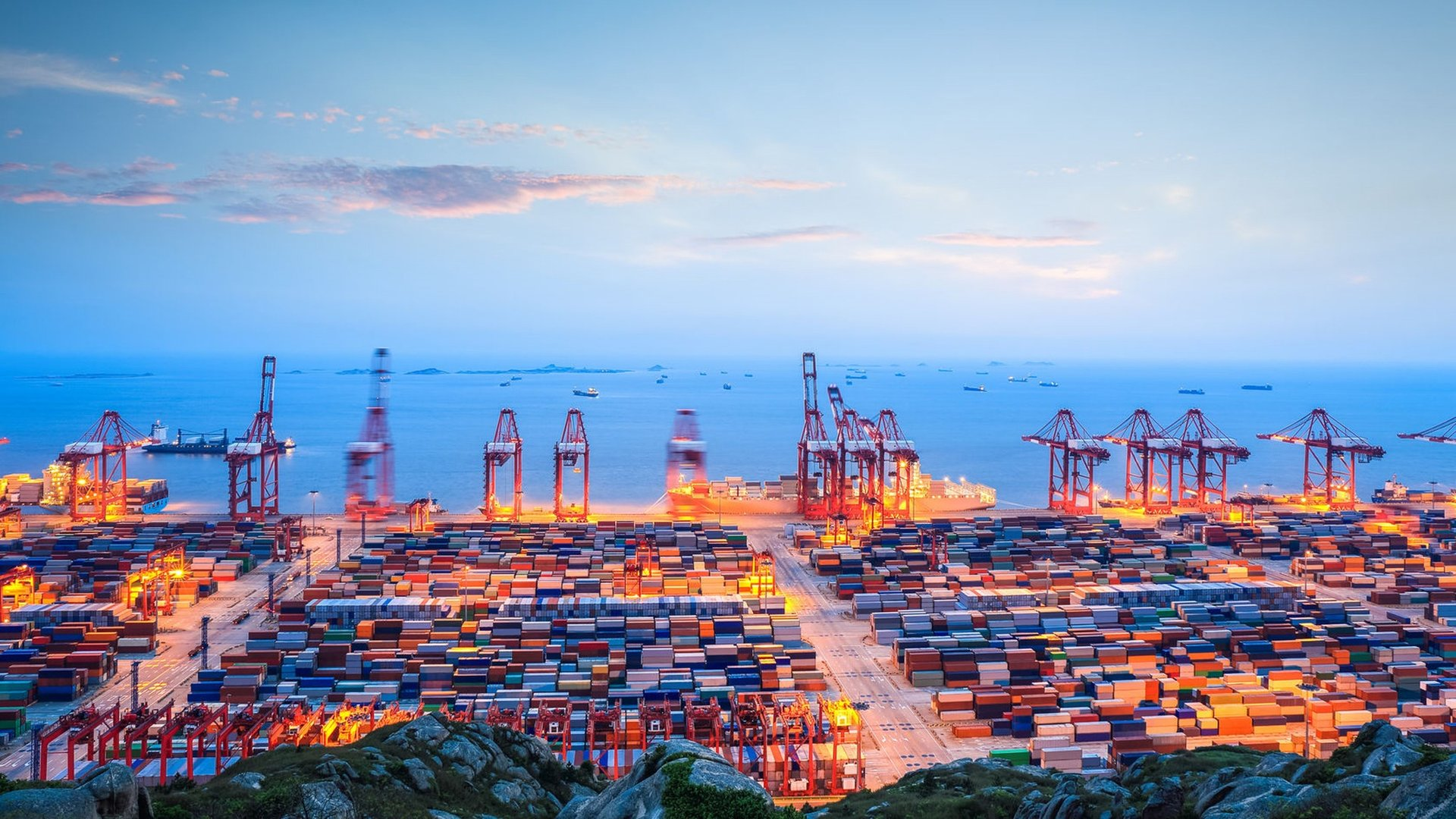
China National Day Shipping to Singapore: Managing Peak Season
Tight cargo-ready windows demand clearer sequencing when arranging China to Singapore without a validated booking path. Late document packs and unconfirmed intake slots often push cargo past the only workable sailing or flight window. China Freight Logistics provides scoped booking support so readiness dates and cut-offs stay synchronized. This 2026 guide details booking checkpoints and execution benchmarks for auditable corridor decisions.
Key Takeaways
Lock documents and Incoterms early for China National Day shipping to Singapore.
Confirm handoff SLAs and exception paths before cutoffs.
Validate live rates — published ranges drift with capacity.
When Does Peak Season Start for China to Singapore Freight and How Much Do Rates Move?
Shipping cycles for China to Singapore freight experience significant volatility during the early October holiday period. As factories across industrial hubs like Ningbo and Shanghai pause operations for the China National Day, production output drops, forcing a frantic push to clear inventory before the mid-autumn cut-offs. Importers must anticipate this pre-holiday surge, as carrier space becomes limited and booking lead times tighten significantly across all major ocean routes connecting East China to the Port of Singapore. Market rates typically experience a sharp upward trajectory during this window, often fluctuating between 15% and 30% above standard monthly averages depending on vessel capacity.
Forwarders frequently see spot rates spike as shippers compete for limited slots on direct sailings. To mitigate these rising costs, businesses should evaluate their cargo-ready dates against the holiday calendar, ensuring that bookings are secured at least three weeks prior to the actual closure of local manufacturing facilities. Managing this peak requires a proactive approach to capacity planning rather than reactive spot-market procurement. By analyzing historical data from previous years, importers can identify the precise moment when carrier schedules shift and slot availability diminishes. Engaging with China Freight Logistics early allows for a more stable cost structure, protecting your supply chain from the erratic price surges that characterize this high-demand period in the Asia-Pacific maritime trade lane.
Singapore execution on China to Singapore fails when free-time clocks, terminal dwell, and delivery appointments are negotiated as afterthoughts. Importers should lock broker response SLAs, yard storage defenses, and consignee dock windows before the vessel berths so exam holds do not cascade into detention. Pre-alert ASN accuracy, chassis availability, and last-mile carrier capacity must be reviewed in the same ops huddle that awards peak-season space. Publish named owners for customs release, equipment return, and re-delivery so invoice disputes stay tied to auditable milestones rather than informal emails. Treat free-time erosion as a controllable cost driver on every award decision. Confirm named owners for booking cut-offs, document packs, and free-time clocks in one shared ops brief before award.
| Cost Component | Typical Assessment Base | Who Usually Pays | Planning Note |
|---|---|---|---|
| CIF / customs value | Goods value + freight + insurance (as declared) | Importer of record | Wrong valuation drives duty and GST (9%) miscalculation |
| Import duty / tariff | % of customs value by HS chapter | Importer / DDP seller (by Incoterms) | Confirm HS binding before award |
| GST (9%) | Duty-paid value (or local statutory base) | Importer / fiscal representative | Confirm statutory GST (9%) filing basis before entry |
| Customs broker / clearance fee | Per entry or per shipment band | Importer / nominating party | Separates from freight; exams add extras |
| Exam / storage / disbursement | Event-driven (exam, demurrage, advance) | Importer / broker client account | Often outside base ocean/truck quote |
Common mistake: Providing inaccurate CBM dimensions, leading to unexpected volumetric dead-space surcharges.
Risk alert: Missing documentation or inaccurate shipping marks at CFS intake triggers mandatory export holds.
What Booking Lead Time Protects Freight Space on China to Singapore Before Peak Cut-Offs?
Securing space for ocean shipments from China to Singapore requires strict adherence to booking lead times that account for both factory output and terminal congestion. During the run-up to China National Day, standard lead times of seven days are insufficient to guarantee space on preferred sailings. Importers should aim to finalize their bookings at least twenty-one days before the anticipated cargo-ready date, ensuring that documentation is prepared and ready for submission to the carrier well ahead of the vessel cut-off. Documentation accuracy remains the primary bottleneck during peak periods, as discrepancies in the China Customs Export Declaration can lead to immediate roll-overs by shipping lines.
When cargo-ready dates are locked, provide your freight forwarder with the final packing list and commercial invoice immediately. This allows for the timely processing of the TradeNet permit and ensures that your electronic declarations are in perfect alignment with the master bill of lading before the terminal gate closes for the holiday. Operational success depends on the synchronization between your supplier’s production timeline and the carrier’s space allocation. If your cargo volume is significant, consider splitting shipments across multiple sailings to reduce the risk of total inventory delays. Working with an experienced partner ensures that your booking is not only placed early but is also monitored against actual vessel performance, minimizing the chance of your cargo being stranded at the origin port during the peak holiday slowdown.
On China to Singapore, booking discipline starts with published cut-off calendars and locked cargo-ready windows before peak awards. Importers should require carriers to confirm CY gate-in, documentation cut-offs, and surcharge trigger bands in writing so rolled sailings never arrive as silent invoice shock. Factory production buffers must sit beside vessel allocation so last-minute cargo readiness does not burn free equipment. Keep named owners for booking desks, document packs, and inland haulage on one shared ops brief. Reconfirm exception paths for blank sailings before capacity is finalized. Publish a rollover contingency path for blank sailings and feeder congestion so peak capacity awards stay auditable. Defend destination free time with pre-alerts, broker SLAs, and delivery appointment locks before demurrage clocks start. See sea freight for options that match this corridor.
| Equipment Type | Internal Volume (CBM) | Max Payload (kg / lbs) | Optimal Commodity Fit |
|---|---|---|---|
| 20ft Standard (20GP) | 28–30 CBM (26 usable) | 21,800 kg / 48,000 lbs | Dense, heavy cargo (machinery, auto parts, metals) |
| 40ft Standard (40GP) | 58–60 CBM (54 usable) | 26,500 kg / 58,400 lbs | General packaged cargo, standard palletized loads |
| 40ft High Cube (40HQ) | 68–76 CBM (68 usable) | 26,500 kg / 58,400 lbs | Bulky, lightweight goods (furniture, textiles, electronics) |
| 45ft High Cube (45HQ) | 85–86 CBM (78 usable) | 27,500 kg / 60,600 lbs | High-volume consumer retail distribution |
Common mistake: Assuming non-stackable pallets bill the same as stackable freight at CFS.
Risk alert: Late supplier CRDs past CFS receiving force split shipments and storage fees.
What Lead Times Should Importers Build for China to Singapore During Congested Periods?
Congestion at major terminals, particularly in Shanghai and Ningbo, intensifies during the National Day period, requiring importers to build substantial buffers into their logistics schedules. While standard transit times to Singapore typically span one to two weeks, the added dwell time at origin and potential vessel bunching can easily extend total door-to-door lead times by an additional ten days. Incorporating this extra cushion prevents stock-outs and ensures that your downstream distribution remains functional despite the holiday-induced disruptions. Beyond terminal congestion, the complexity of clearing goods through Singapore Customs demands a well-prepared document pack to avoid unnecessary storage fees.
Since GST at 9% is applicable on most taxable imports, ensuring that your valuation and HS code classifications are accurate within the TradeNet filing system is critical. A delay in customs clearance at the destination port creates a ripple effect, tying up warehouse space and increasing your overall landed cost during an already expensive shipping season. Effective planning involves mapping out the entire lifecycle of your shipment, from the initial China Customs Export Declaration to the final delivery in Singapore. By adding a conservative buffer of two weeks to your standard replenishment cycle, you account for the unpredictability of port operations. This buffer acts as a vital safety net, allowing for minor transit deviations without compromising your ability to fulfill client orders or maintain essential inventory levels during the peak shipping window.
On China to Singapore, landed-cost control depends on separating contractual base rates from peak surcharges, destination handling, and statutory import assessments before award. Teams should validate HS assumptions, Incoterms scope, and broker response SLAs against free-time clocks so exam or data holds do not silently convert into demurrage. A written exception path for rolled bookings, blank sailings, and terminal congestion keeps procurement from paying premium spot premiums without an auditable alternative. Confirm owners for documents, equipment, and last-mile appointments in the same checklist used at weekly operations reviews. Booking windows, document pre-audit, and yard storage defenses must stay synchronized with finance so surcharge bands never surprise the landed invoice. See air freight for options that match this corridor.
Common mistake: Skipping ISPM-15 / mark checks before CFS intake and paying restrap fees later.
Risk alert: Singapore CFS free dwell is often only 3–5 days—unclaimed LCL accrues fast.
What Causes the Most Common Delays on China to Singapore and How Can You Buffer Them?
Operational friction during China National Day often stems from misaligned cargo-ready dates and the resulting scramble for vessel space. When factories in Shenzhen or Shanghai pause for the holiday week, local trucking throughput drops, causing a bottleneck at the gate. If your documentation is not finalized before the holiday, your cargo risks being rolled to the next available sailing, extending transit times by seven to ten days. Proactive shippers mitigate this by securing space at least two weeks before the official holiday start date. Lock document ownership early so broker cut-offs do not collide with terminal appointments.
Customs clearance delays frequently occur when the China Customs Export Declaration is filed incomplete or contains mismatched HS codes. Because the Singapore Customs Authority requires precise data through the TradeNet permit system for rapid clearance, any error at the origin export point creates a ripple effect. To buffer these risks, ensure your commercial invoice and packing list are audited for accuracy before the freight leaves the warehouse floor. Early submission prevents the cargo from dwelling indefinitely at the PSA terminal while waiting for administrative verification. Pre-alert destination free time and confirm empty-return windows before gate-out.
Buffer strategies should focus on building a three-day safety margin into your transit plan to account for unexpected terminal congestion. Since Singapore acts as a highly efficient hub, most delays are actually caused by upstream inconsistencies in China. By requesting an early gate-in for your LCL or FCL shipments, you ensure that the cargo is already at the port before the holiday rush begins. This operational discipline shields your supply chain from the volatility associated with peak season labor shortages and equipment shortages. See warehouse services for options that match this corridor.
| Milestone | Typical Window | Owner | Delay Risk if Missed |
|---|---|---|---|
| Origin pickup / CY gate-in | T-5 to T-2 days before ETD | Shipper / drayage | Rolled booking & demurrage at origin |
| Port / terminal gate-in | Mode-specific ETA band | Carrier / broker | Detention & storage accrual |
| Customs release | 24–72h after arrival (mode-dependent) | Licensed broker | Terminal hold & delivery slip |
| Final delivery appointment | Within free-time window | Consignee / carrier | Driver detention & re-delivery fees |
Common mistake: Confirming carrier cut-offs only after cargo is ready erodes peak-season options.
Risk alert: Transit milestone variance needs an explicit operational buffer before peak cutoffs.
How Can Importers Avoid Demurrage and Dwell Charges on China to Singapore?
Avoiding terminal penalties requires a strict adherence to the Singapore Customs TradeNet filing protocol before the vessel arrives. Demurrage and dwell charges accumulate rapidly when the documentation for the GST (9%) payment is not processed in time for clearance. Importers should coordinate with their logistics partner to ensure the TradeNet permit is approved while the vessel is still in transit. This pre-clearance strategy allows for immediate container release the moment the vessel berths at the PSA terminal facilities. Selecting the right Incoterms is a critical defensive measure against unexpected accessorials. When managing shipping from China to Singapore, choosing terms that clearly define who holds the responsibility for demurrage after the free time expires is essential.
Proactive communication regarding the cargo-ready date and expected arrival at the destination port serves as the best insurance against high costs. By monitoring the vessel status via real-time updates and coordinating with the local warehouse team, you can schedule the final drayage to coincide with the clearance window. Maintaining this level of operational visibility ensures that containers are pulled from the terminal within the standard free time, keeping your total landed costs predictable and avoiding unnecessary, high-cost terminal storage invoices. Separate contractual freight from event-driven customs costs for auditable invoices.
Execution risk on China to Singapore intensifies when documentation, carrier capacity allocations, and destination release hand-offs fall out of sync. Procurement teams should require logistics providers to publish confirmed cut-off calendars, dynamic surcharge trigger bands, and terminal release dependencies in a single comprehensive brief. Early pre-alert filings, packing-list reconciliation, and pre-cleared customs documentation compress dwell once cargo reaches destination gateways. Treating each accessorial line as a controllable expense protects margins against unplanned peak-season invoice volatility on this corridor. Lock milestone owners before cargo-ready dates slip into rolled sailings. Reconcile ASN, carton marks, and consignee data before gate-in so destination release does not stall on mismatches. Track berth windows and hold an alternate sailing when blankings threaten the ETA.
Common mistake: Waiting for CY gate-in before locking inland haulage creates free-time exposure.
Risk alert: Blank sailings and roll risk require a documented contingency booking path.
Which Gateways Handle Peak Volume Best on China to Singapore Without Extra Dwell?
Major coastal gateways such as Ningbo and Shanghai remain the primary departure points for high-volume freight heading toward Singapore. During the peak National Day period, these ports experience intense activity, yet their scale allows for better equipment availability compared to secondary ports. Shippers should prioritize bookings through these major hubs to leverage the frequency of scheduled sailings. Frequent departures act as a fail-safe, ensuring that if a specific container misses its slot, the next vessel is never more than a few days away. Validate HS codes and preferential proofs before the commercial invoice pack is sealed.
The efficiency of the destination terminal in Singapore is unparalleled due to the integration of automated PSA terminal systems. However, the choice of the origin gateway in China remains the biggest variable for speed and reliability. By routing through facilities with direct, high-frequency loops to Singapore, importers minimize the risk of transshipment delays. This direct routing is particularly effective during peak seasons when smaller feeder routes become congested and prioritize larger, more consistent client volumes over ad-hoc shipments. Claims exposure on China to Singapore rises when cargo condition evidence is assembled only after damage is discovered. Shippers should lock surveyor notice windows, photo protocols at CY gate-in and delivery, and cargo insurance assumptions before award.
For companies moving bulk volumes, consolidating shipments through a single, major gateway reduces the complexity of managing multiple export declarations. This strategy simplifies the filing of the China Customs Export Declaration and streamlines the subsequent TradeNet processing in Singapore. By centralizing your logistics through these high-volume corridors, you benefit from established relationships between carriers and terminal operators. This connectivity ensures that your cargo is prioritized, keeping transit times stable even when general port traffic increases during the holiday season. Confirm who owns terminal release status once the local authority clears the entry.
Common mistake: Treating guide transit days as hard SLAs without buffer invites demurrage.
Risk alert: Port congestion can invalidate published ETAs — track actual vessel berth windows.
Decision Framework
By speed: Prioritize sea-air hybrid models to bypass port congestion during the National Day holiday period.
Real-World Corridor Case Studies
A manufacturer moved 20GP components Shekou→Haiphong. Origin teams issued FORM E certificates of origin so preferential duty treatment applied, and CFS cut-offs were locked before short-sea sailing.
A Thai retailer imported mixed SKUs Guangzhou→Laem Chabang. Commercial invoice, packing list, and ASEAN origin paperwork were aligned before gate-in so Bangkok inland distribution stayed inside free time.
Execution Checklist for China to Singapore
Use China to Singapore as a buyer checklist: data in, mode selected, filings ready, then capacity reserved.
Confirm free time and delivery constraints in writing to protect schedules on China to Singapore.
Process and Checkpoints
Shipment Profile Capture
Confirm cargo-ready date, CBM/weight, commodity, HS code, and Incoterms.
Mode & Service Scope Selection
Compare air / LCL / FCL (or specialty) against transit and landed-cost targets.
Documentation & Compliance Gate
Align commercial invoice, packing list, and any specialty filings before booking.
Space Booking & Cut-off Lock
Reserve carrier/co-loader space and confirm export cut-off windows in writing.
Mainhaul & Milestone Tracking
Monitor departure, arrival, and exception alerts against the awarded transit plan.
Destination Release & Delivery
Clear destination formalities and complete final-mile delivery to the agreed door.
Confirm the right route for your shipment
Navigate the Golden Week Peak Avoid holiday rollovers and terminal congestion with our optimized freight corridors from Shanghai and Ningbo. Get a Quote
Request a route reviewFrequently Asked Questions
What core import documentation must be pre-lodged before cargo arrives in Singapore?
Importers in Singapore must submit the TradeNet permit / declaration, commercial invoice, packing list, and ocean B/L to Singapore Customs before arrival to avoid terminal storage.
How is import tax and duty calculated at destination gateways in Singapore?
Customs assessments in Singapore calculate tariffs on the CIF value, supplemented by local GST (9%). Tariff lines must strictly reflect verified 6-to-10 digit HS classifications.
When should buyers switch from CFS LCL to a dedicated FCL buy-out?
Around 15 CBM and above, an FCL buy-out often beats shared CFS unit costs—especially with non-stackable freight. Reconcile packing-list piece counts with the commercial invoice pack early.
Where does the forwarder take custody of multi-supplier cargo at origin?
Custody usually transfers at CFS receiving after piece count and mark checks. Pre-alert destination release so terminal dwell does not erode free time.
How can multi-supplier shippers prevent CFS dead-space penalties during consolidation?
Declare stackability, use ISPM-15 pallets, and share carton dimensions early so CFS can plan density. Lock empty-return windows before detention accrues after gate-out.
What China customs export inspection steps apply before ocean containers gate in?
Exporters should align commercial invoice, HS codes, and packing list with physical cargo before customs release; mismatches trigger holds and re-inspection fees. Validate HS codes and preferential proofs inside the invoice pack before tender.
Rates, transit times, and accessorials change with capacity, fuel, and peak-season surcharges. Treat figures as planning ranges — confirm a live quote before booking.
This guide is operational education, not legal, customs, or insurance advice. Validate filings and coverage with licensed partners for your shipment.