


China National Day Shipping to Indonesia: A 2026 Logistics Guide
Navigating China National Day shipping to Indonesia requires precise advance planning to avoid the significant export bottlenecks that occur during the Golden Week holiday. As factories in China shutter operations and logistics gateways face sudden capacity crunches, shippers must secure space weeks in advance to maintain supply chain continuity. China Freight Logistics provides the strategic oversight and carrier relationships necessary to bypass these predictable seasonal disruptions. This guide details the essential booking steps, documentation requirements, and transit strategies needed to ensure your cargo reaches Indonesian ports without incurring unnecessary dwell or storage fees.
Key Takeaways
Factory closures during China National Day typically last 7 days, causing a severe spike in pre-holiday export demand.
A standard 40HQ container should be planned for 65–70 CBM of cargo to ensure optimal space utilization during peak periods.
Air freight chargeable weight is calculated at the greater of actual weight or volumetric weight (L×W×H cm / 6000).
Export documentation, including the Commercial Invoice and Packing List, must be finalized at least 10 days before the holiday.
What Should Buyers Know First About China National Day to Indonesia?

The China National Day period, occurring in early October, represents one of the most critical operational hurdles for international trade between China and Indonesia. During this time, the entire manufacturing sector in China enters a week-long shutdown, which effectively freezes cargo-ready dates and creates an immediate vacuum in export logistics capacity. Buyers must understand that the days immediately preceding this holiday are characterized by intense competition for vessel space and limited availability for drayage and terminal operations.
To mitigate the risk of cargo being stranded at origin, shippers should proactively coordinate with their suppliers to move finished goods into bonded warehouses well before the holiday cut-offs. Many carriers implement strict ‘no-show’ penalties during this window, and space allocations are often prioritized for long-term contract holders over spot-market bookings. Relying on last-minute scheduling during this period is a primary cause of supply chain failure and unexpected inventory stockouts in Indonesia.
Successful management of this trade lane requires a shift from reactive booking to a forward-looking schedule that accounts for the inevitable post-holiday backlog. By locking in space with sea freight providers early, importers can ensure that their goods are prioritized for the first available sailings once port operations resume. We recommend reviewing your inventory levels by mid-August to determine if accelerated shipping is necessary to bridge the holiday gap.
| Charge Type | Risk Level | Impact Window | Mitigation Strategy |
|---|---|---|---|
| Peak Season Surcharge (PSS) | High | Sept 15–Oct 15 | Pre-book space |
| Equipment Imbalance Fee | Moderate | Pre-Holiday | Verify container supply |
| Late Documentation Fee | High | Holiday Week | Early filing |
| Storage/Dwell Charges | High | Post-Holiday | Direct door delivery |
Field note: Ensure all suppliers have provided confirmed cargo-ready dates before September 1st.
Common mistake: Waiting until the week before the holiday to book space.
Risk alert: Severe capacity shortages are guaranteed during the week of October 1st.
How Do Routing and Gateway Choices Affect This Lane?
The choice of origin gateway in China significantly influences the transit time and reliability of your shipment to Indonesia. Major ports such as Ningbo, Shanghai, and Shenzhen offer the highest frequency of direct sailings to Jakarta (Tanjung Priok), which is the primary destination for most consumer and industrial goods. However, during the National Day period, these major gateways experience extreme congestion, which may lead to missed vessel connections if the cargo arrives within the terminal too close to the holiday cutoff.
For shippers using regional ports or inland rail/truck feeder services, the coordination between the inland leg and the ocean carrier is critical. Any delay in the inland transit phase will likely result in the cargo being rolled to a subsequent sailing, effectively adding 7 to 10 days to the total transit time. Importers should consult with China Freight Logistics to evaluate whether routing through a secondary, less-congested port provides a higher probability of timely departure during the peak season.
On the Indonesian side, destination gateway efficiency is equally important, particularly regarding customs clearance and local drayage availability. Tanjung Priok remains the busiest port in Indonesia, and importers should anticipate longer dwell times for container retrieval during the immediate post-holiday surge. Coordinating with local customs brokers and ensuring that all import licenses are valid prior to the vessel’s arrival can help minimize the impact of port congestion on your final delivery schedule.
| Equipment Type | Internal Volume (CBM) | Max Payload (kg / lbs) | Optimal Commodity Fit |
|---|---|---|---|
| 20ft Standard (20GP) | 28–30 CBM (26 usable) | 21,800 kg / 48,000 lbs | Dense, heavy cargo (machinery, auto parts, metals) |
| 40ft Standard (40GP) | 58–60 CBM (54 usable) | 26,500 kg / 58,400 lbs | General packaged cargo, standard palletized loads |
| 40ft High Cube (40HQ) | 68–76 CBM (68 usable) | 26,500 kg / 58,400 lbs | Bulky, lightweight goods (furniture, textiles, electronics) |
| 45ft High Cube (45HQ) | 85–86 CBM (78 usable) | 27,500 kg / 60,600 lbs | High-volume consumer retail distribution |
Field note: Direct sailings are preferred to avoid transshipment delays in Singapore or Port Klang.
Common mistake: Choosing a gateway based solely on lowest port cost rather than sailing frequency.
Risk alert: Transshipment points can become bottlenecks during high-volume periods.
How to Choose the Right Mode Mix for Indonesia?
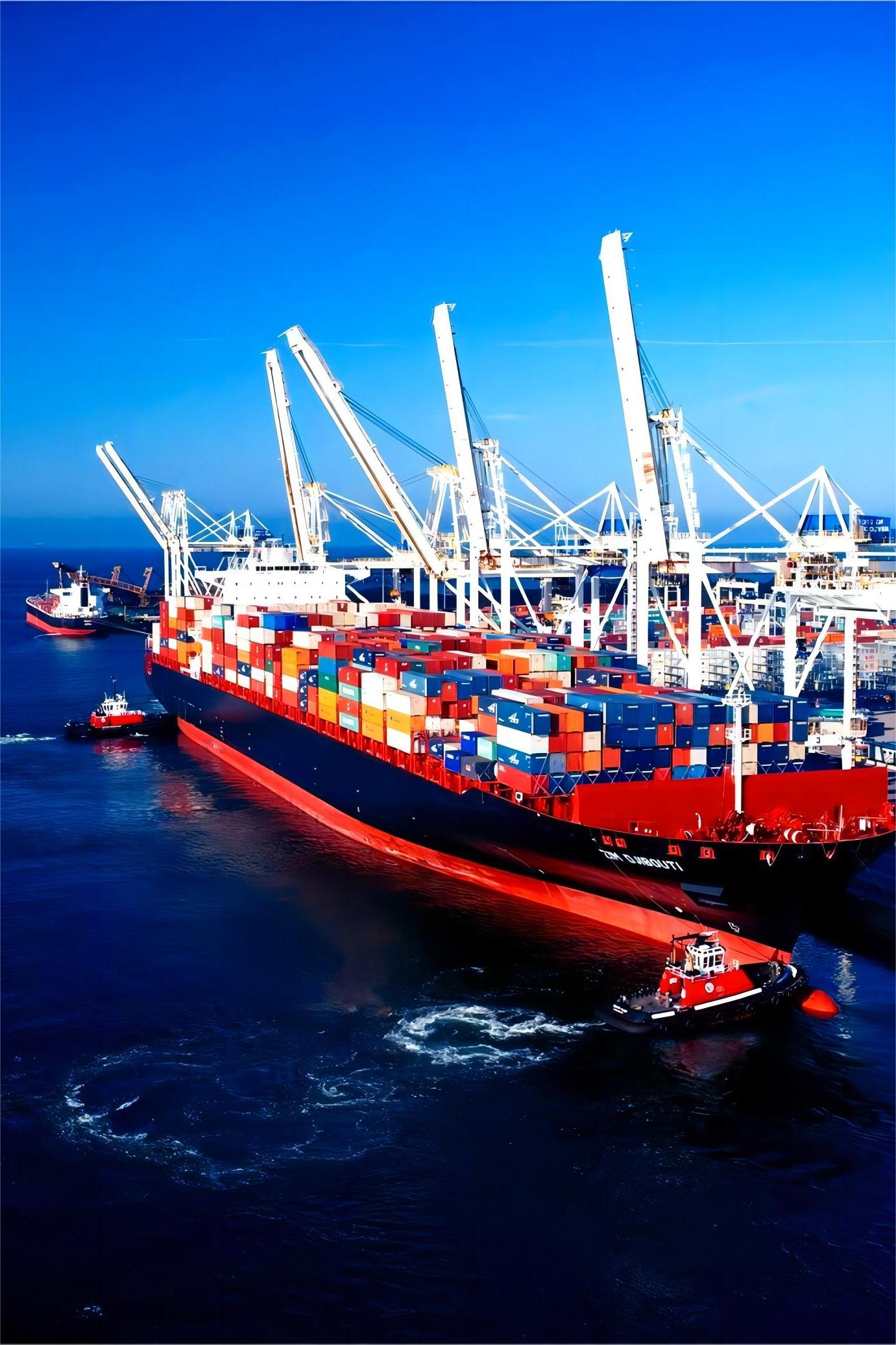
Selecting the appropriate mode mix for your Indonesia-bound cargo requires a balanced assessment of your budget and the urgency of your inventory requirements. Ocean freight remains the most cost-effective solution for large-volume, non-perishable goods, providing a reliable, if slower, transit window that is ideal for standard replenishment. For high-value, time-sensitive, or seasonal items that cannot afford a three-week transit delay, air freight services provide a critical alternative, albeit at a significantly higher cost per kilogram.
In addition to standard ocean and air, multimodal solutions such as sea-air can offer a middle-ground approach for shippers looking to optimize both cost and speed. By utilizing ocean transit to a major regional hub followed by an air bridge, importers can often save nearly 40% on total costs compared to pure air, while still achieving delivery times that are significantly faster than full ocean transit. This mode is particularly useful for shippers who have missed the initial ocean cut-offs but cannot justify the premium of full air freight.
Ultimately, the decision should be driven by the total landed cost and the impact of potential delays on your downstream business operations. If your cargo is destined for retail environments where stockouts equate to lost revenue, the premium paid for air or expedited sea-air is often easily justified. Conversely, for raw materials or industrial components with stable demand, maintaining a robust ocean-based strategy with a slight buffer for holiday-induced delays is the most sustainable approach.
| Service Mode | Cost Band | Transit Time | Best Suited For |
|---|---|---|---|
| Direct Ocean (FCL) | Low | 12–18 Days | Bulk / Raw Materials |
| LCL Ocean | Moderate | 18–25 Days | Small/Medium Lots |
| Sea-Air | Medium-High | 8–12 Days | Time-sensitive replenishment |
| Air Freight | High | 3–6 Days | Urgent / High Value |
Field note: Calculate total landed cost including destination storage before choosing the fastest mode.
Common mistake: Ignoring the hidden costs of LCL consolidation delays.
Risk alert: Air freight capacity is severely limited during peak holiday weeks.
What Transit Timeline Should You Expect?
Understanding the transit timeline for China to Indonesia requires accounting for both the transit time of the vessel or aircraft and the operational dwell times at the port and warehouse. Under normal conditions, ocean freight from major Chinese ports to Jakarta typically takes between 12 and 18 days, depending on the carrier and the number of stops. During the National Day, shippers should add a buffer of at least 7 to 10 days to account for the holiday-related slowdown and the subsequent backlog at both origin and destination terminals.
The timeline is further influenced by the specific document processing requirements and the speed at which your local customs broker can facilitate clearance. Delays often occur not on the water, but during the transition from the terminal to the warehouse, especially if there is a shortage of available drayage trucks in Jakarta. We advise clients to work with experienced logistics partners who can provide real-time updates and proactive management of these critical transition points.
To ensure your expectations are realistic, always request a door-to-door transit estimate that includes specific milestones for cargo pickup, export customs, vessel departure, arrival, import customs, and delivery. By monitoring these milestones closely, you can identify potential delays early and adjust your downstream distribution plans accordingly. Reliable tracking and communication are the most effective tools for maintaining visibility into your shipment’s progress through the holiday period.
Field note: Always add a 10-day buffer to standard transit times during October.
Common mistake: Using pre-holiday transit benchmarks for holiday-period shipments.
Risk alert: Vessel rolling is common during the week after National Day.
How Are Landed Costs Typically Built?
Landed cost calculation for shipments to Indonesia encompasses far more than just the base ocean or air freight rate. It includes a complex array of origin charges, including local trucking, port handling, and documentation fees, as well as the main haul cost and destination-side expenses. For FCL shipments, destination costs include terminal handling charges (THC), container cleaning, and potentially demurrage and detention fees if the container remains outside the yard for too long.
Duty and tax rates in Indonesia are specific to the HS code of the goods being imported, and accurately classifying your cargo is essential for avoiding fines and delays at the border. Additionally, many shippers fail to account for the currency exchange rate volatility or the fluctuating fuel surcharges that carriers apply on a monthly basis. Our freight blog consistently highlights the importance of itemized cost breakdowns to ensure that every dollar spent is accounted for and optimized.
When planning your budget, it is critical to obtain an all-in quote that clearly differentiates between prepaid and collect charges. Many importers are caught off guard by destination fees that were not included in the original freight estimate, leading to significant cash flow issues. By working with a transparent logistics provider, you can ensure that your landed cost estimates are accurate and that you are protected against unexpected price hikes or hidden accessorial charges.
Field note: Request an itemized quote to distinguish between ocean freight and local terminal charges.
Common mistake: Assuming the freight rate includes destination duties and taxes.
Risk alert: Currency fluctuations can impact total landed costs significantly.
Which Documents and Compliance Checks Apply?
Compliance with Indonesian customs requirements is the cornerstone of a successful import operation. The primary documents required for any shipment from China to Indonesia include the Commercial Invoice, Packing List, and the Bill of Lading (or Air Waybill). These documents must be perfectly aligned in terms of description, quantity, and value to prevent any discrepancies that could trigger a customs audit or hold. Incomplete or inaccurate paperwork is the most frequent cause of shipment delays in this corridor.
Beyond the standard documents, specific goods may require certificate of origin filings, quality inspections, or specialized permits from Indonesian government agencies. Ensuring that these documents are prepared in advance is vital, as any missing paperwork discovered after the cargo has arrived at the destination port can result in significant daily storage fees. Importers should also ensure they are registered with the appropriate Indonesian authorities to act as an importer of record, as this is a fundamental requirement for customs clearance.
We strongly recommend that all shippers conduct a pre-shipment document audit to check for consistency across all files. This includes verifying that the HS codes used are correct and that any special instructions for handling, such as temperature control or hazardous material labels, are clearly noted on the documentation. By maintaining high standards of documentation compliance, you can significantly reduce the likelihood of customs-related interventions and ensure a smoother flow of goods into the Indonesian market.
| Document | Purpose | Responsibility | Risk of Failure |
|---|---|---|---|
| Commercial Invoice | Valuation/Duty | Shipper | Customs Fine |
| Packing List | Inventory/Weight | Shipper | Inspection Delay |
| Bill of Lading | Ownership/Title | Carrier | Release Block |
| Certificate of Origin | Tariff preference | Shipper | Duty Overpayment |
Field note: Ensure the HS code matches the Indonesian tariff schedule precisely.
Common mistake: Discrepancies between the invoice value and the declared customs value.
Risk alert: Government inspection holds can last 5-10 business days.
How Do Peak Seasons Affect Capacity and Pricing?
Peak season dynamics in the China-to-Indonesia corridor are heavily influenced by the pre-holiday rush, where demand spikes as shippers attempt to move all inventory before the factories close. This surge in demand inevitably leads to a sharp increase in freight rates, as space on vessels becomes a premium commodity. Carriers often implement peak season surcharges to manage the overflow, and the lack of available equipment can force shippers to delay their production or pay for expedited alternatives.
The impact of the holiday is not confined to the week of the actual event; the ripple effects are felt for several weeks before and after. Pre-holiday, you are dealing with a shortage of space; post-holiday, you are dealing with a massive backlog as thousands of factories resume production simultaneously and attempt to clear their warehouses. This creates a secondary peak in demand at the destination ports, leading to congestion and delays in drayage and final delivery, which can be just as problematic as the initial export shortage.
To thrive in this environment, proactive capacity management is essential. This means securing space agreements well in advance and working with a partner who has direct carrier access. By planning your peak season strategy in July and August, you can lock in favorable rates and ensure that your goods are not left behind when the capacity crunch hits in October. Understanding these cyclical patterns is what separates successful importers from those who are constantly reacting to market volatility.
Field note: Book space at least 4 weeks before the holiday to secure better rates.
Common mistake: Relying on spot-market pricing during the peak holiday window.
Risk alert: Port congestion at Tanjung Priok is at its highest in mid-October.
What Is the Step-by-Step Process from Quote to Delivery?
The process of shipping from China to Indonesia begins with a detailed shipment profile capture, where we define the cargo-ready date, dimensions, weight, and Incoterms. This initial phase is the most critical for setting the foundation of the shipment, as it allows us to identify the most suitable mode of transport and gateway options. Once the profile is set, we provide an itemized proposal that outlines all expected costs and transit milestones, ensuring full transparency from the start.
Following the proposal acceptance, we move to the space booking and documentation phase. During this stage, we confirm the carrier space and ensure that all export documentation is filed well before the cutoff times. This is where the coordination between your supplier, the carrier, and our local teams in China and Indonesia becomes paramount. We monitor the cargo’s movement through each milestone, providing you with real-time updates and addressing any exceptions as they arise to prevent delays.
The final phase involves destination clearance and delivery. As the vessel nears the Indonesian port, we facilitate the pre-clearance process with customs to ensure that once the container is discharged, it can be moved to the warehouse without unnecessary dwell. By managing the final-mile drayage, we ensure that your cargo is delivered on time, allowing you to focus on your core business. This comprehensive approach is designed to remove the complexity from international shipping and provide you with a seamless logistics experience.
Field note: Always confirm the vessel’s arrival notice 3 days prior to port arrival.
Common mistake: Failing to coordinate with the local customs broker before vessel arrival.
Risk alert: Missing the customs filing window can result in significant daily storage fees.
Decision Framework
By volume: Volumes under 2 CBM are often best optimized via air or express courier; mid-range volumes (2–15 CBM) should be evaluated for LCL, while shipments exceeding 15 CBM typically favor FCL economics.
By speed: Urgent windows requiring sub-7-day delivery must utilize air freight; standard replenishment stock should be booked for ocean transit at least 3 weeks prior to the holiday.
By cargo profile: Hazardous materials, temperature-controlled goods, and oversized items require specialized carrier approval and should be flagged for review no later than 14 days before booking.
Real-World Corridor Case Studies
A manufacturer needed to move 40 CBM of heavy industrial machinery from Shanghai to Jakarta just before the National Day holiday. By booking space 6 weeks in advance and using a direct service, we avoided the holiday backlog. The shipment was successfully delivered to the customer’s site with minimal dwell time at the port.
A textile importer faced a critical stockout risk for their fall collection. We utilized a sea-air solution from Shenzhen to Jakarta to bypass port congestion during the holiday peak. This strategy ensured the goods arrived in time for the seasonal retail window, despite the factory closures in China.
Execution Checklist for China National Day to Indonesia
Successfully navigating the China National Day shipping period requires rigorous preparation and a proactive approach to supply chain management. By focusing on early booking, thorough document compliance, and choosing the right mode of transport, you can mitigate the inherent risks of this peak season and keep your cargo moving efficiently into the Indonesian market.
We encourage all shippers to review their upcoming requirements and reach out to our team to discuss a customized shipping strategy. By planning ahead, you ensure that your business remains resilient against the seasonal bottlenecks that define this critical trade lane.
Process and Checkpoints
Shipment Profile Capture
Confirm cargo-ready date, CBM/weight, commodity, HS code, and Incoterms.
Mode & Service Scope Selection
Compare air / LCL / FCL (or specialty) against transit and landed-cost targets.
Documentation & Compliance Gate
Align commercial invoice, packing list, and any specialty filings before booking.
Space Booking & Cut-off Lock
Reserve carrier/co-loader space and confirm export cut-off windows in writing.
Mainhaul & Milestone Tracking
Monitor departure, arrival, and exception alerts against the awarded transit plan.
Destination Release & Delivery
Clear destination formalities and complete final-mile delivery to the agreed door.
Confirm the right route for your shipment
Ready for a scoped proposal on China National Day to Indonesia? Share your origin, destination, cargo-ready date, CBM/weight, commodity, and Incoterms to get started.
Request a route reviewFrequently Asked Questions
How do destination demurrage and detention charges accrue on 40HQ containers?
Demurrage and detention charges accrue once the allotted free time at the port and warehouse expires. Detention starts when the container leaves the terminal, and demurrage starts if the container is not returned to the yard within the specified free time window.
What hidden accessorial fees often cause freight invoice shocks?
Hidden fees often include terminal handling charges (THC), documentation fees, fuel surcharges, and unexpected storage costs due to customs delays. Always ask for an all-in quote that clearly itemizes these potential costs.
Which documents must be verified prior to requesting a Telex release?
Prior to requesting a Telex release, you must verify the Bill of Lading, ensure all freight payments are settled, and confirm that the consignee has provided the necessary clearance information to the destination office.
How can multi-supplier shippers prevent CFS dead-space penalties?
Multi-supplier shippers can prevent CFS penalties by consolidating their cargo at a single origin warehouse before booking LCL space. This ensures accurate weight and CBM measurements, avoiding the cost of unused space or re-measuring fees.
When is the mandatory cut-off time for submitting export documentation?
The export documentation cutoff is usually 48 to 72 hours before the vessel’s estimated time of departure. During peak periods like China National Day, this window may be extended or enforced more strictly, requiring earlier submission.
Where does the freight forwarder take legal custody of multi-supplier cargo?
Legal custody is typically transferred at the point of origin warehouse intake or when the cargo is received at the CFS terminal. This handoff is documented via the Warehouse Receipt or Cargo Receipt.
Rates and surcharges fluctuate; request an itemized quote.
Informational only; not binding legal/tax/customs advice.
Benchmarks reflect standard 2026 practice for this corridor.