


China to Canada Sea Freight Rates: A 2026 Logistics Guide
Understanding China to Canada sea freight rates is essential for businesses looking to optimize their supply chain. At China Freight Logistics, we provide expert guidance to ensure your cargo arrives safely and efficiently. Visit our homepage at https://chinafreightlogistics.com/ to learn more about our comprehensive shipping solutions.
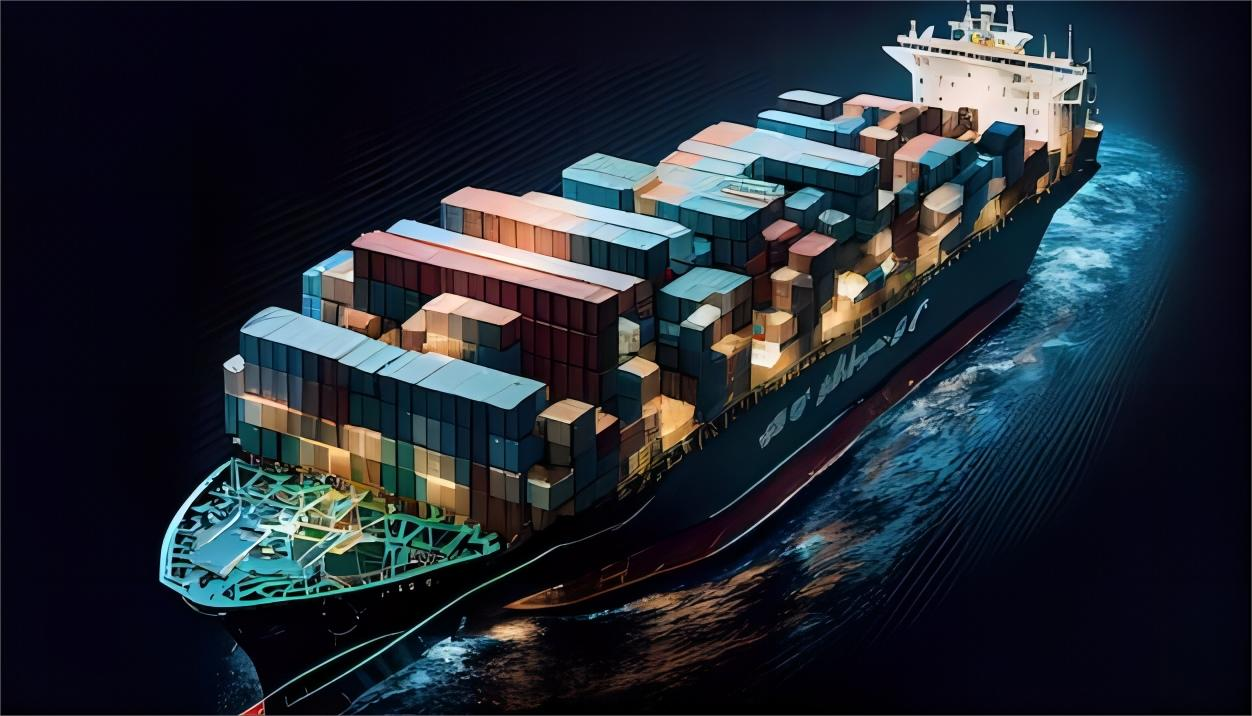
What factors influence China to Canada sea freight rates?
Multiple variables impact the final cost of shipping goods from China to Canada. Fuel surcharges, seasonal demand, and carrier capacity are the primary drivers of price fluctuations.

Additionally, the type of cargo you are shipping plays a significant role. For large-scale industrial goods, consider our sea freight services for cost-effective bulk transport.
Market conditions as of early 2026 indicate that freight rates have stabilized following previous global disruptions. Furthermore, peak season surcharges often occur between August and October.
How to optimize your shipping costs
Managing logistics expenses requires a strategic approach. For smaller quantities, many businesses opt for LCL shipping to reduce overhead costs.
If you are scaling your operations, our Amazon FBA services can streamline your inventory management. Moreover, consolidating shipments often leads to better negotiation power with carriers.
Choosing the right route is equally important. Direct routes are typically faster, whereas transshipment options might offer lower rates at the expense of longer transit times.
| Method | Cost | Transit Time | Best For |
|---|---|---|---|
| FCL | High | 20-30 Days | Large Shipments |
| LCL | Medium | 25-35 Days | Small Shipments |
| Air | Very High | 5-10 Days | Urgent Cargo |
Essential services for importers
Navigating international trade requires specialized support. Our customs brokerage team ensures that your paperwork is compliant with CBSA regulations.
We also offer door to door delivery to minimize handling risks. Consequently, your goods move seamlessly from the factory floor in China to your warehouse in Canada.
For urgent requirements, you might explore our express service options to keep your operations running on schedule.
Real case studies in shipping
Case Study 1: An electronics retailer shipped 20 CBM of goods from Shenzhen to Vancouver. By utilizing LCL sea freight, they reduced their landed cost by 15 percent compared to air transport.
Case Study 2: A manufacturing firm moved a full 40HQ container from Shanghai to Toronto. Despite peak season pressures, our team secured competitive rates, resulting in a total transit time of 32 days.
Summary of China to Canada Sea Freight Rates
Securing the best China to Canada sea freight rates requires a combination of market awareness and strategic planning. By working with experienced logistics partners, you can mitigate risks and ensure timely delivery.
Always remember that rates are subject to change based on global fuel prices and carrier capacity. Therefore, we recommend contacting us for the most current pricing data before finalizing your logistics budget.
Start Your Shipment
Ready to optimize your supply chain? Contact our team today to request a quote tailored to your specific shipment needs. Visit us at https://chinafreightlogistics.com/ to get started.
Request Quote