

Ocean Freight China to Canada: A Comprehensive 2026 Logistics Guide
Navigating ocean freight China to Canada requires precise planning to manage complex supply chain demands effectively. Business owners often struggle with fluctuating rates and customs complexities when importing goods across the Pacific. At China Freight Logistics, we provide expert guidance to streamline your international trade. You can explore our full range of professional support by visiting our homepage at https://chinafreightlogistics.com/.
Understanding Ocean Freight China to Canada Transit Times
Transit times for ocean freight China to Canada generally range between 18 and 35 days depending on the specific port of arrival. Typically, shipments heading to the Port of Vancouver experience shorter transit times compared to those destined for East Coast hubs like Montreal or Halifax. Factors such as weather conditions and vessel capacity significantly influence your delivery schedule.
Additionally, choosing between direct shipping and transshipment options will impact your timeline. Direct routes are usually faster but may command a premium price during peak seasons. Meanwhile, transshipment via major hubs can offer cost savings if your timeline allows for increased transit duration.
Key Factors Influencing Shipping Costs
Freight rates from China to Canada fluctuate based on global fuel prices, carrier capacity, and seasonal demand. For instance, businesses should anticipate higher costs during the Q3 peak season as retailers stock up for year-end holidays. Consequently, securing your booking well in advance remains a vital strategy for cost management.
Furthermore, utilizing professional sea freight services helps optimize your cargo loading and container utilization. Whether you are shipping FCL or LCL, understanding the market dynamics ensures your budget remains predictable. Note: Freight rates are subject to change based on fuel costs, carrier capacity, and seasonal demand. Contact us for a current quote tailored to your specific shipment.
| Service Type | Estimated Cost | Transit Time | Best For |
|---|---|---|---|
| FCL (Full Container) | Competitive | 18-30 Days | Large Shipments |
| LCL (Less than Container) | Variable | 25-35 Days | Small Shipments |
| Express Sea | Premium | 15-22 Days | Urgent Inventory |
How Does Ocean Freight Compare to Other Shipping Options?
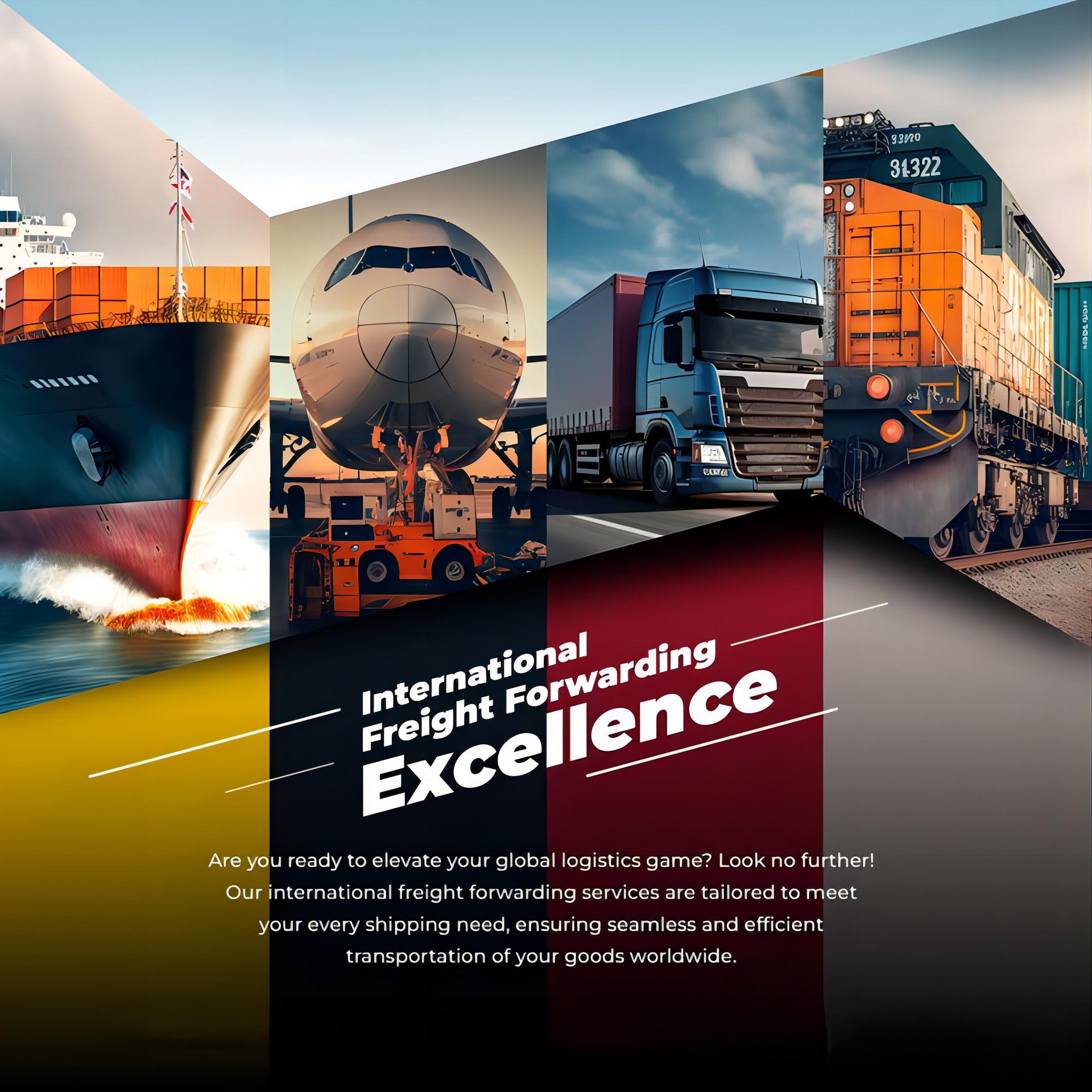
While ocean transport serves as the backbone of trade, other modes provide unique advantages for specific business needs. For time-sensitive goods, air freight offers the fastest delivery, albeit at a significantly higher price point. On the other hand, rail freight provides a balanced alternative, offering faster transit than sea but at a lower cost than air for specific inland destinations.
Moreover, businesses often combine methods through hybrid logistics solutions to achieve optimal results. For example, using door to door services ensures your goods move seamlessly from the factory in China to your warehouse in Canada. Additionally, leveraging customs brokerage services prevents costly delays due to documentation errors.
| Method | Cost | Speed | Suitability |
|---|---|---|---|
| Ocean | Low | Slow | Bulk Cargo |
| Rail | Medium | Moderate | Inland Canada |
| Air | High | Fast | High-Value Goods |

Real Case Studies for Successful Imports
Case Study 1: Electronics Distribution
Route: Shanghai to Vancouver. Cargo: 20 CBM consumer electronics. Shipping Method: LCL. Total Landed Cost: $4,200. Transit Time: 22 days. Key Insight: Consolidating shipments during off-peak windows reduced costs by 15 percent.
Case Study 2: Industrial Machinery
Route: Ningbo to Montreal. Cargo: 40HQ container of machinery. Shipping Method: FCL. Total Landed Cost: $7,800. Transit Time: 35 days. Key Insight: Using a direct carrier service prevented port congestion delays in transshipment hubs.
Final Thoughts on Ocean Freight China to Canada
Successfully managing ocean freight China to Canada requires a blend of strategic planning and reliable partnership. By understanding transit variables, cost structures, and alternative shipping methods, you can maintain a competitive edge in your market. Indeed, the right logistics partner makes all the difference in navigating global trade complexities.
As you plan your next import cycle, focus on balancing speed with cost-efficiency to maximize your ROI. Whether you choose standard sea freight or a more specialized delivery option, preparation remains the key to success. Start your journey toward smoother logistics operations by evaluating your current shipping strategies today.
Start Your Shipment
Streamline your supply chain today by partnering with our logistics experts. Contact us to receive a competitive quote for your ocean freight China to Canada shipping needs and ensure your cargo arrives on time. Request your custom shipping solution now.
Request Quote