


China to Canada Freight Rates: A 2026 Logistics Guide
Understanding China to Canada freight rates is essential for businesses managing cross-border supply chains in 2026. Whether you are a first-time importer or a seasoned logistics manager, finding reliable partners is the first step toward success. Visit China Freight Logistics at https://chinafreightlogistics.com/ to explore comprehensive shipping solutions tailored to your specific needs.
What Factors Influence China to Canada Freight Rates?
Multiple variables impact the final cost of shipping, ranging from fuel surcharges to seasonal demand spikes. Global shipping lanes often experience fluctuations based on carrier capacity and geopolitical stability.
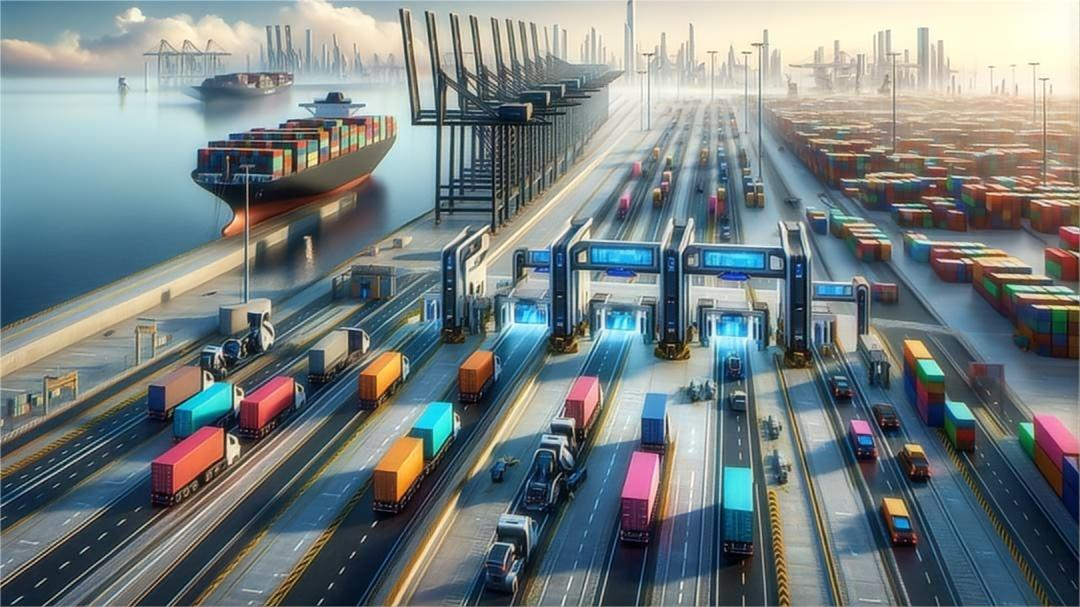
Furthermore, the type of cargo you are shipping significantly dictates the price. Heavy machinery requires different handling compared to lightweight consumer electronics, directly affecting your bottom line.

Choosing the Right Shipping Method
Selecting the appropriate transport mode is critical for balancing cost and speed. For large-scale inventory, consider sea freight as it remains the most economical option for bulk goods.
Alternatively, businesses requiring rapid replenishment should utilize air freight services. While the price per kilogram is higher, the reduced transit time provides unmatched agility in competitive markets.
For specialized needs, rail freight offers a strategic middle ground between sea and air. It is often faster than ocean transit while remaining more cost-effective than air cargo for specific inland destinations.
How Does Sea Freight Compare to Other Shipping Options?
Comparing shipping methods requires a clear look at your priorities. While sea freight is cost-efficient, it requires significant lead time, whereas air freight is ideal for urgent, high-value items.
Additionally, many businesses now leverage door to door shipping to simplify the process. This service removes the complexity of coordinating multiple carriers, allowing you to focus on your core business operations.
| Method | Cost Level | Transit Time | Ideal For |
|---|---|---|---|
| Sea Freight | Low | 25-40 days | Bulk/Heavy Items |
| Air Freight | High | 3-7 days | Urgent/High Value |
| Rail Freight | Medium | 15-22 days | Inland Distribution |
| Express | Very High | 2-5 days | Small/Time Sensitive |
Navigating Customs and Compliance
Importing goods into Canada requires strict adherence to CBSA regulations. Professional customs brokerage services ensure your documentation is accurate, preventing costly delays at the border.
Moreover, proper classification of goods under the Harmonized System codes is vital. Failure to comply with these standards can result in fines and significant supply chain disruptions.
Real Case Studies in Trans-Pacific Logistics
Case Study 1: A retailer shipping 50 CBM of furniture from Shanghai to Vancouver via sea freight. By leveraging consistent ocean schedules, the client maintained a landed cost 15 percent below their quarterly budget.
Case Study 2: An electronics firm needing to move 500kg of components from Shenzhen to Toronto. Using priority air freight, the shipment arrived in four days, allowing the company to avoid a production line stoppage.
Final Thoughts on China to Canada Freight Rates
Securing competitive China to Canada freight rates involves a combination of strategic planning, choosing the right transport mode, and partnering with experienced logistics providers. By monitoring market trends and optimizing your shipping volume, you can effectively manage your logistics budget throughout 2026.
Indeed, a proactive approach to your supply chain will yield long-term success. Always prioritize transparency and reliability when selecting your freight partners.
Ready to streamline your logistics?
Ready to optimize your supply chain? Contact our team today to request a custom quote and secure the best China to Canada freight rates for your upcoming shipments. Send your inquiry to our logistics experts and get started immediately.
Request Quote