

China to Canada Logistics: A Comprehensive 2026 Shipping Guide
Successfully managing China to Canada logistics requires a deep understanding of current trade routes and regulatory compliance. Whether you are a first-time importer or a seasoned supply chain manager, finding reliable partners is essential for business growth. Explore our full range of professional solutions at https://chinafreightlogistics.com/ to streamline your international operations effectively.

Understanding China to Canada Logistics Options
Choosing the right transport mode is the foundation of efficient China to Canada logistics. Businesses must balance speed against budget constraints to maintain healthy margins.
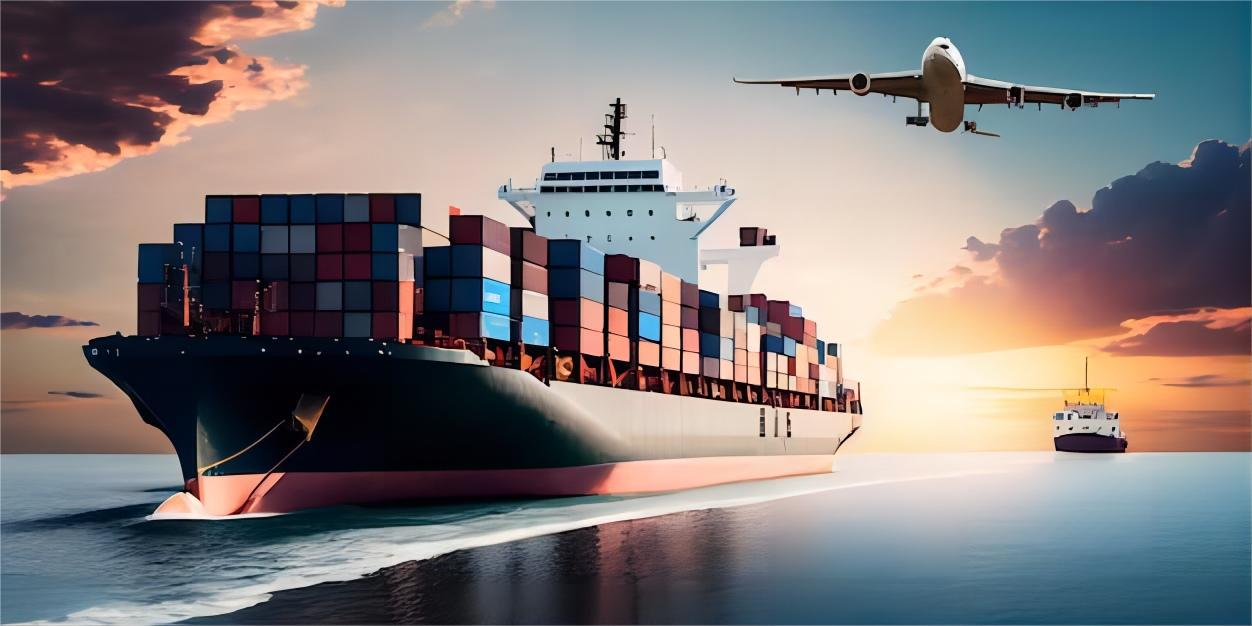
For instance, sea freight remains the most cost-effective solution for large-volume shipments. Conversely, high-value goods often move via air freight to ensure rapid delivery.
Furthermore, utilizing door to door services simplifies the process by handling every stage of the journey. This integrated approach reduces the risk of miscommunication between multiple carriers.
| Method | Cost | Transit Time | Best For |
|---|---|---|---|
| Sea Freight | Low | 25-40 days | Bulk cargo |
| Air Freight | High | 3-7 days | Urgent goods |
| Express | Premium | 2-5 days | Small parcels |
Navigating Customs and Compliance
Importing goods requires strict adherence to Canada Border Services Agency regulations. Proper documentation is vital to prevent costly delays at the port of entry.
Indeed, professional customs brokerage services ensure that your paperwork is filed accurately. This proactive step prevents unexpected fees and prevents cargo seizure.
Moreover, businesses selling on platforms like Amazon should leverage Amazon FBA logistics to optimize their inventory flow. Proper preparation is the key to maintaining a seamless supply chain.
How Does Sea Freight Compare to Other Shipping Options?
Comparing transport methods helps in making informed financial decisions. While sea freight is standard, other modal choices exist for specific business needs.
For example, air freight costs significantly more but offers unmatched speed for time-sensitive cargo. On the other hand, sea freight provides the best economy for large container loads.
Choosing the right strategy depends on your specific volume and urgency thresholds. Our team can help you analyze the trade-offs between speed and cost to find the optimal path.
| Method | Budget | Speed | Reliability |
|---|---|---|---|
| Sea | Economy | Slow | High |
| Air | Premium | Fast | High |
| Express | High | Fast | Very High |

Mastering Your Logistics Strategy
Effective China to Canada logistics management is a continuous process of refinement and optimization. By selecting the right shipping methods and ensuring total customs compliance, you can significantly reduce your landed costs.
Indeed, building a partnership with an experienced provider ensures your business stays competitive in the global market. Contact us today to learn more about how we can support your long-term shipping success.
Ready to streamline your logistics?
Are you ready to optimize your China to Canada logistics? Contact our expert team today to request a custom shipping quote and receive a comprehensive logistics strategy tailored to your specific cargo requirements. Visit our website to start your inquiry now.
Request Quote