

Dropshipping Logistics China France: Complete 2025 Shipping Guide
Managing dropshipping logistics China France effectively serves as the foundation for any successful e-commerce business targeting the French market. By partnering with China Freight Logistics, sellers can streamline their supply chain and ensure customers receive orders promptly. This comprehensive guide explores the best shipping methods, cost-saving strategies, and customs requirements necessary to dominate the French dropshipping landscape. Consequently, understanding these logistical nuances will help you maintain high satisfaction levels and healthy profit margins.
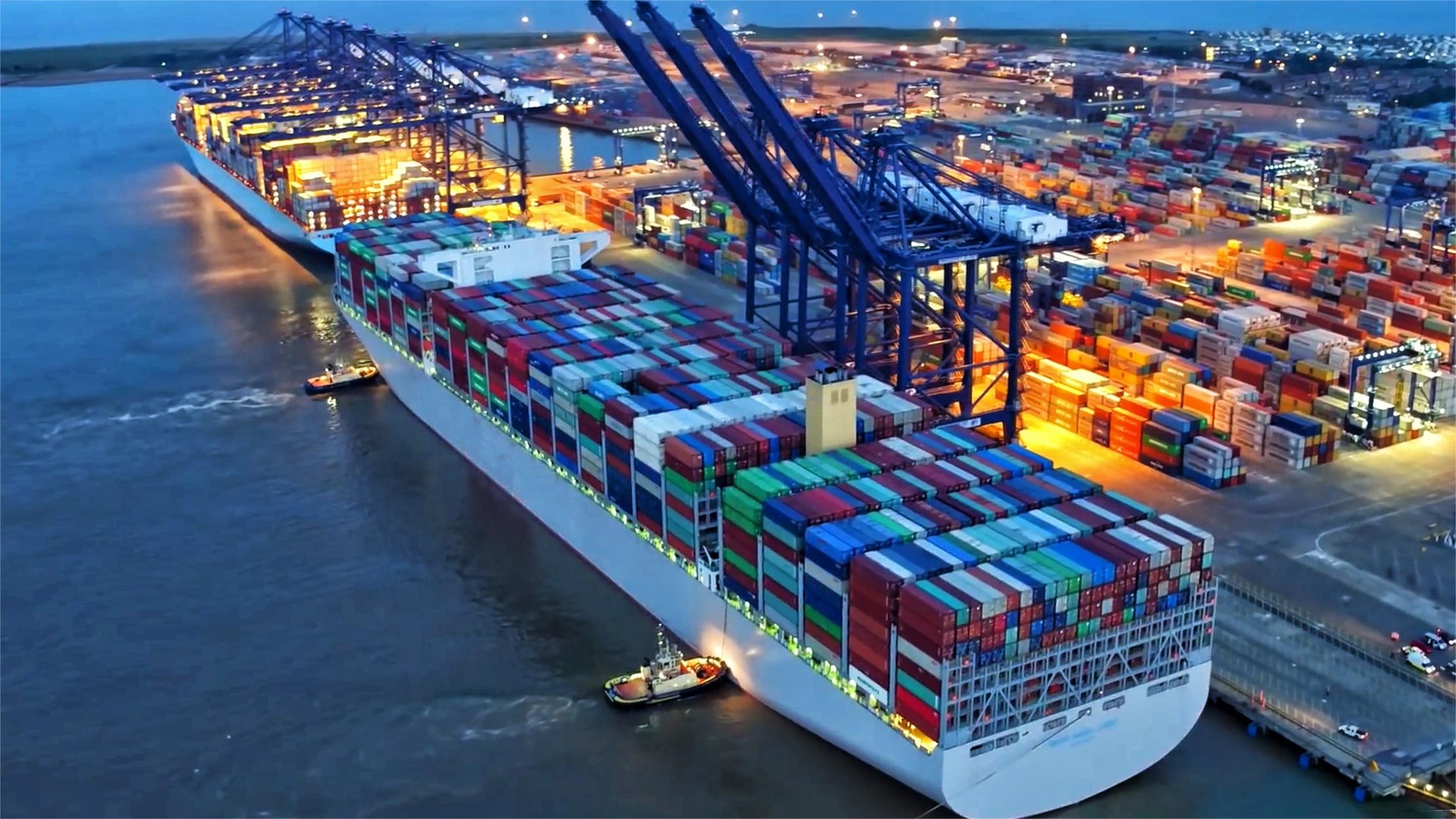
What Are the Primary Methods for Dropshipping Logistics China France?
Selecting the right shipping method is the most critical decision in your dropshipping journey. Specifically, most sellers choose between express couriers, air freight, and postal services depending on their budget and speed requirements. Furthermore, each method offers unique advantages regarding tracking visibility and delivery reliability within the European Union.
Express shipping remains the gold standard for high-ticket items. Consequently, using an express service allows you to deliver products to French customers in as little as three to five business days. Therefore, this speed helps reduce customer inquiries and builds trust in your brand’s reliability.
Air freight serves as a middle ground for larger shipments or bulk inventory. Typically, air freight provides a balance between cost and speed, making it ideal for scaling businesses. Moreover, this method ensures that your supply chain remains agile during peak shopping seasons like Black Friday or Christmas.
How Does Express Service Compare to Other Shipping Options?
In contrast to traditional postal services, express shipping offers superior tracking and faster customs processing. However, the cost per kilogram is significantly higher than sea or rail options. Additionally, sellers must weigh the benefit of fast delivery against the impact on their overall profit margins.
For instance, while sea freight costs approximately 2,000 to 3,500 dollars for a full container, air freight for the same volume would cost ten times that amount. Nevertheless, sea freight takes over a month to arrive in Marseille or Le Havre. Consequently, dropshippers usually reserve sea freight for restocking local warehouses rather than individual order fulfillment.
Hybrid solutions like sea-air or rail-sea combinations also exist. These methods can save up to 30 percent in costs compared to pure air freight. Meanwhile, they still offer faster transit times than standard ocean shipping, providing a strategic advantage for mid-sized dropshipping operations.
| Shipping Method | Cost Range | Transit Time | Best For |
|---|---|---|---|
| Express | High | 3-7 Days | Small, high-value items |
| Air Freight | Medium-High | 7-12 Days | Urgent bulk restocks |
| Rail Freight | Medium | 18-25 Days | Heavy or bulky goods |
| Sea Freight | Low | 30-45 Days | Volume inventory |
Which Option Should You Choose for Your Business?
Deciding on a shipping strategy depends heavily on your product type and customer expectations. If you sell luxury fashion or high-end electronics, speed is your priority. Therefore, you should recommend express routes to maintain a premium brand image. On the other hand, budget-conscious consumers might tolerate longer wait times for lower shipping costs.
Volume thresholds also play a significant role in your choice. For shipments under 15 CBM, LCL sea freight at 50 to 80 dollars per CBM may be more economical than a full container. Specifically, once your volume exceeds 15 CBM, switching to a 20GP container often results in lower per-unit costs and better cargo protection.
Furthermore, consider the last-mile delivery performance in France. Services like La Poste or Colis Prive have extensive networks. Consequently, choosing a logistics partner that integrates well with these local carriers will ensure a smooth final delivery to the end consumer.
Understanding Customs and VAT for Dropshipping to France
Navigating the French customs landscape requires a clear understanding of the Import One-Stop Shop (IOSS) system. Since July 2021, all commercial goods imported into the EU are subject to VAT. Specifically, registering for IOSS allows you to collect VAT at the point of sale, which simplifies the customs process significantly.
Without an IOSS number, your customers may be forced to pay VAT and handling fees upon delivery. Consequently, this often leads to refused packages and negative reviews. Therefore, professional customs brokerage services are invaluable for ensuring your documentation meets French regulations.
Additionally, you must provide accurate commercial invoices and HS codes. Inaccurate labeling can lead to lengthy delays or even the seizure of goods by French authorities. In contrast, well-documented shipments usually pass through customs in less than 24 hours, keeping your delivery schedule on track.
| Document Type | Purpose | Required For |
|---|---|---|
| Commercial Invoice | Value declaration | Every shipment |
| Packing List | Itemized contents | Customs inspection |
| IOSS Number | VAT compliance | B2C shipments |
| Bill of Lading | Title of goods | Sea/Rail freight |

Case Studies: Real-World Scenarios in France
Examining real-world examples helps illustrate the practical application of these logistics strategies. Below are two scenarios based on typical market rates as of early 2025. These cases highlight the importance of choosing the right method for the specific cargo type and destination.
Case Study 1: Fast Delivery for Tech Gadgets. Route: Shenzhen, China to Paris, France. Cargo: Smartwatches, 0.5 CBM, 45 kg. Shipping Details: Major express carrier, Port of Loading: Shenzhen, Port of Discharge: CDG Airport. Cost Breakdown: Origin Charges: $50, Destination Charges: $40, Customs: $90, Total Landed Cost: $450. Timeline: Total Door-to-Door: 5 days. Key Insight: Utilizing express routes ensured high customer satisfaction during a product launch.
Case Study 2: Fashion Inventory Restock. Route: Guangzhou, China to Marseille, France. Cargo: Clothing items, 15 CBM. Shipping Method: Sea Freight (LCL). Cost Breakdown: Ocean Freight: $1,200, Origin Charges: $200, Destination Charges: $300, Total Landed Cost: $1,700. Timeline: Total Door-to-Door: 38 days. Key Insight: Planning ahead allowed the seller to use sea freight, significantly reducing the cost per unit compared to air options.
Optimizing Your Supply Chain for French E-commerce
To maximize efficiency, you should implement door to door solutions that handle the entire journey. This approach minimizes the number of touchpoints and reduces the risk of damage or loss. Moreover, consolidated shipping allows you to combine multiple small orders into one larger shipment, lowering your overall freight costs.
Another effective strategy involves using local warehouses in Europe. By shipping bulk inventory to a French fulfillment center, you can offer next-day delivery to your customers. Consequently, this drastically improves your competitiveness against local French retailers who already have established logistics networks.
Furthermore, monitoring seasonal trends is essential for cost management. Rates typically increase 15 to 25 percent during the August to October peak season. Therefore, booking your shipments at least two weeks in advance during these periods can help you secure better rates and guaranteed space on carriers.
Current Market Trends and Pricing for 2025
As of early 2025, freight rates from China to Europe have stabilized following previous global disruptions. However, fuel surcharges and carrier capacity still fluctuate monthly. Specifically, sea freight rates for a 40HQ container currently range between 3,100 and 4,300 dollars depending on the specific port of loading.
Market data suggests that rail freight is becoming an increasingly popular alternative for French dropshippers. It offers a faster transit time than sea freight while remaining more affordable than air freight. Indeed, many businesses now use rail as their primary method for mid-weight products that do not require immediate express delivery.
Note: Freight rates are subject to change based on fuel costs, carrier capacity, and seasonal demand. Contact us for a current quote tailored to your specific shipment. Always verify the latest regulations regarding French import duties to avoid unexpected costs.
| Container Type | Price Range (USD) | Transit Time |
|---|---|---|
| 20GP Container | $1,900 – $2,600 | 30-35 Days |
| 40GP Container | $2,900 – $3,900 | 32-38 Days |
| 40HQ Container | $3,100 – $4,300 | 32-38 Days |
Mastering Your Logistics Strategy
In conclusion, mastering dropshipping logistics China France is a multi-faceted challenge that requires careful planning and the right partnerships. By understanding the differences between express, air, and sea freight, you can choose the method that best aligns with your business goals. Specifically, focusing on customs compliance and IOSS registration will prevent delivery delays and keep your French customers happy.
Ultimately, the goal is to create a seamless supply chain that balances speed and cost. Whether you are just starting or scaling an established brand, staying informed about market trends and logistics best practices is essential. Implement these strategies today to ensure your dropshipping business thrives in the competitive French market.
Ready to streamline your logistics?
Ready to streamline your dropshipping logistics China France? Contact China Freight Logistics today for a customized quote and expert guidance on your international shipments. Visit our website to learn more about our comprehensive shipping solutions. Send Inquiry: https://chinafreightlogistics.com/contact-us/
Request Quote