

China Logistics Company Germany: Expert Shipping and Freight Solutions
Finding a reliable China Freight Logistics partner is essential for businesses navigating the complex trade route between East Asia and Europe. Managing international shipments requires a deep understanding of transport modes, regulatory compliance, and local distribution networks to ensure efficiency. This guide explores how a professional China logistics company Germany can streamline your supply chain and reduce overall operational costs.
Why You Need a Dedicated China Logistics Company Germany
Operating a business that relies on imports from China requires more than just finding a supplier. You must navigate a complex web of logistics that includes inland transport, port handling, and international transit. A dedicated China logistics company Germany acts as your local representative, ensuring that cargo moves seamlessly across borders.
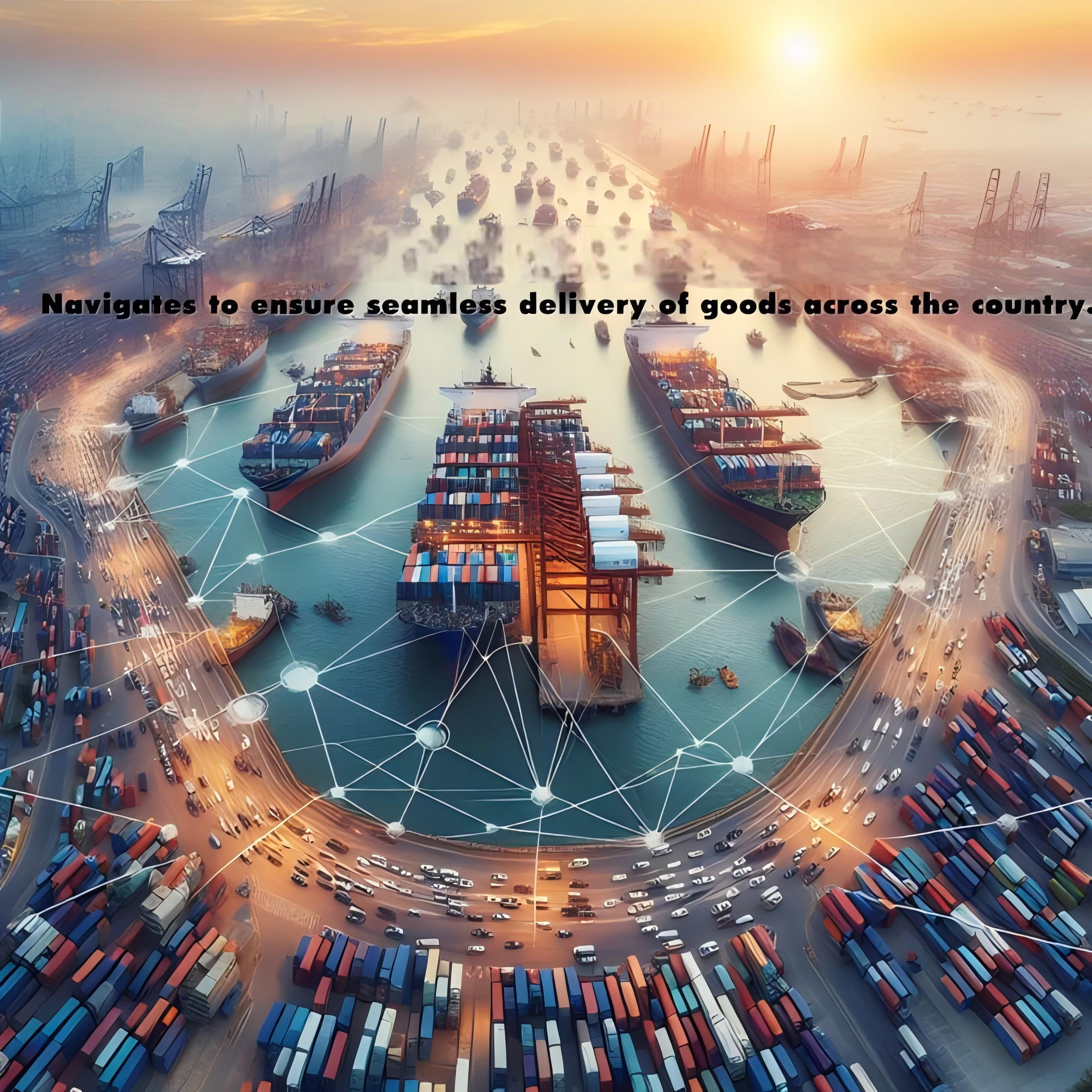
Moreover, language barriers and time zone differences often complicate communication with Chinese manufacturers. A logistics partner bridges this gap by providing real-time updates and coordinating with local warehouses. This level of oversight is crucial for maintaining a consistent delivery schedule and avoiding costly delays at the port.
Furthermore, German customs regulations are notoriously strict regarding documentation and product safety standards. Professional freight forwarders possess the expertise to handle these requirements, preventing your goods from being seized or delayed. Consequently, businesses can focus on growth while the logistics experts manage the technicalities of global trade.
How Does Sea Freight Compare to Other Shipping Options?
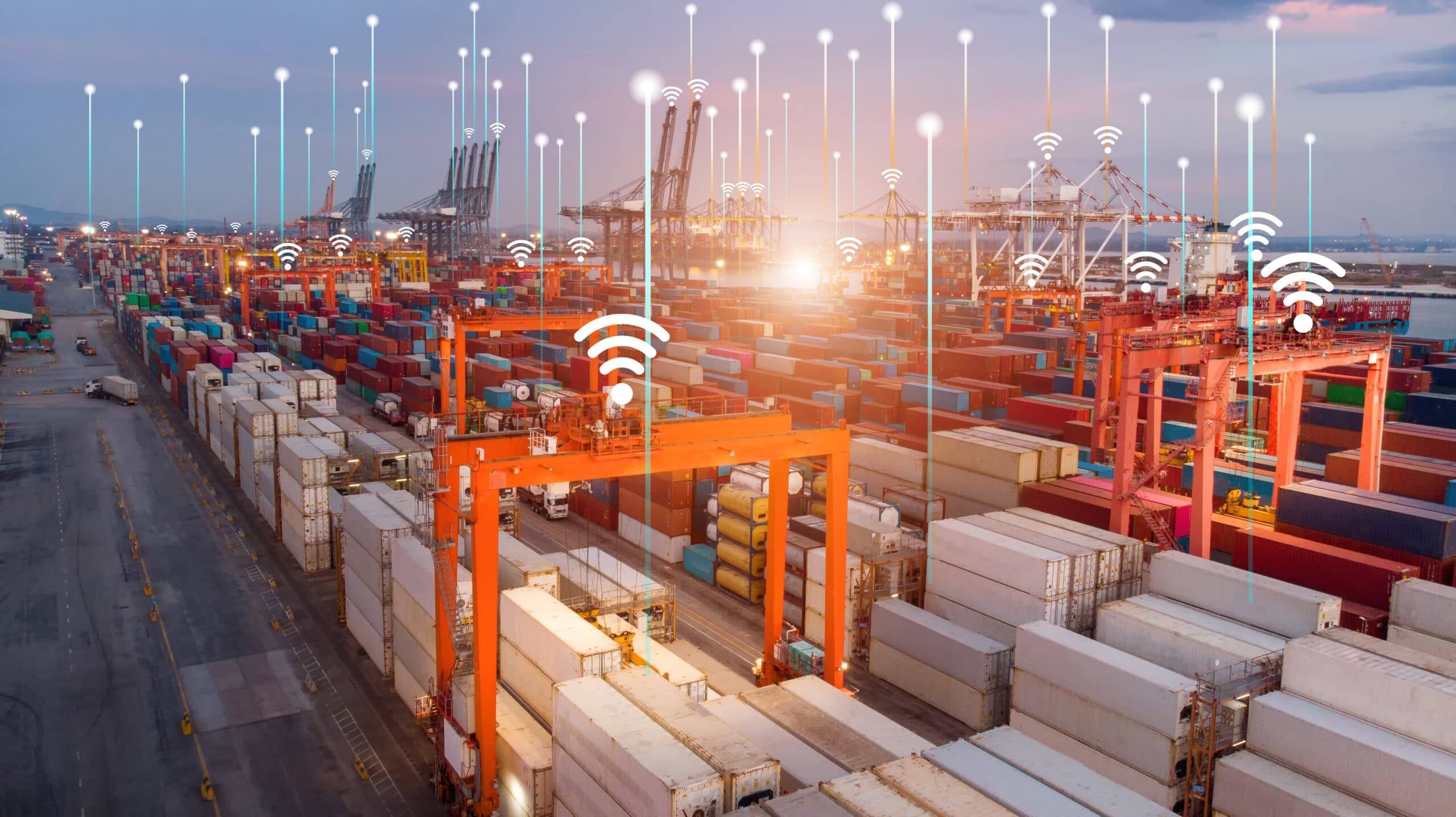
When planning your transport strategy, choosing between sea freight and other modes depends on your budget and urgency. Ocean transport remains the most popular choice for large volumes due to its cost-effectiveness. However, it is also the slowest method, typically taking several weeks to reach German ports.
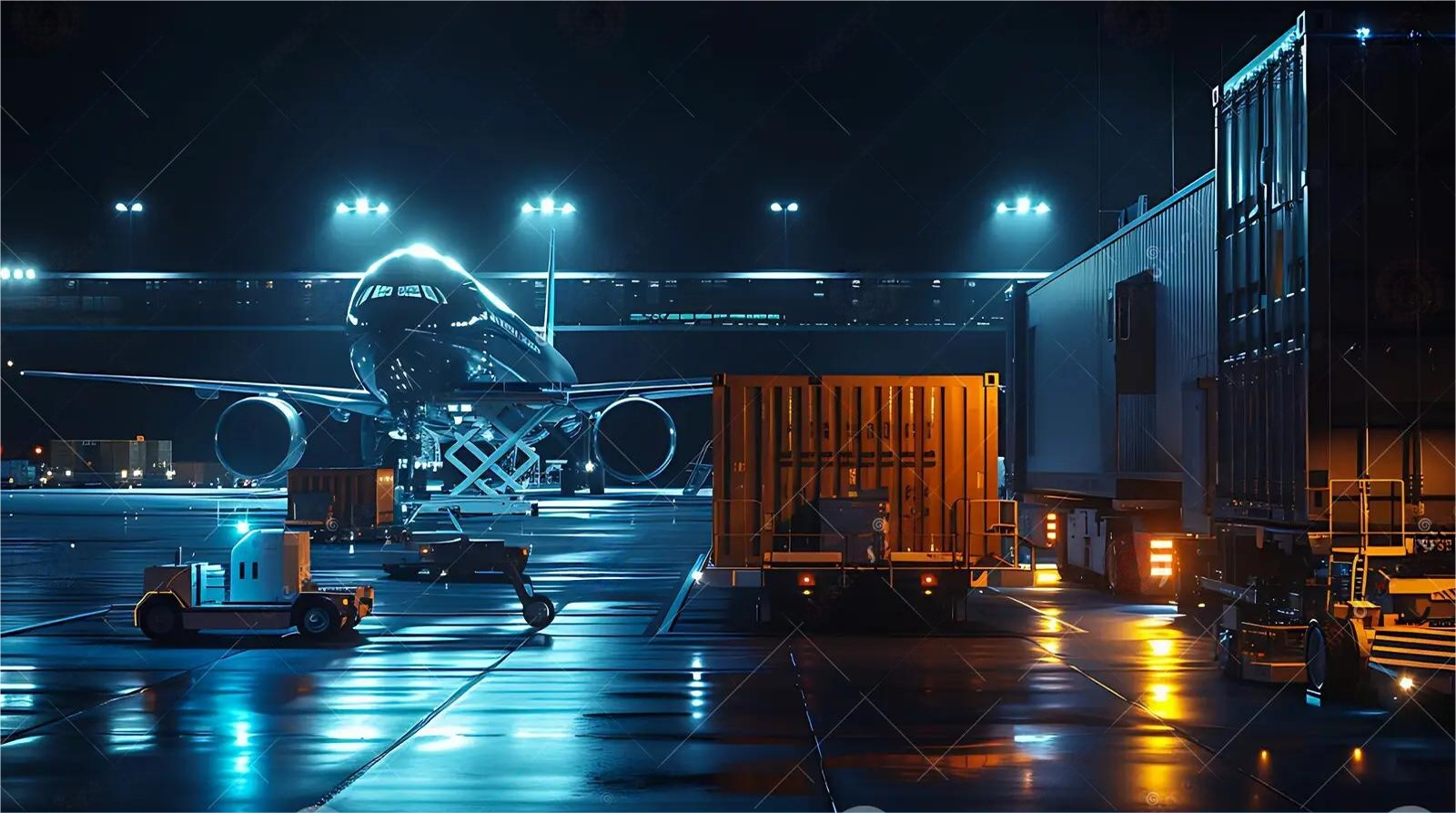
In contrast, air freight offers unparalleled speed but comes at a significantly higher price point. This method is ideal for high-value electronics or urgent replenishment of stock. Meanwhile, rail freight has emerged as a middle-ground solution, offering faster transit than sea and lower costs than air.
To help you decide, we have analyzed the primary shipping methods available for the China-Germany route. Each option presents unique advantages depending on the nature of your cargo and your specific business needs.
| Shipping Method | Cost Range | Transit Time | Best For |
|---|---|---|---|
| Sea Freight (FCL) | $3,000 – $4,200 | 30 – 40 Days | Bulk goods, large machinery |
| Air Freight | $5.50 – $9.00/kg | 5 – 8 Days | Electronics, urgent items |
| Rail Freight | $2,200 – $3,500 | 18 – 22 Days | E-commerce, automotive parts |
| Express Service | $8.00 – $12.00/kg | 3 – 5 Days | Small samples, documents |
Choosing the Right Transport Mode: A Decision Framework
Selecting the optimal shipping method requires balancing speed, cost, and cargo volume. If your priority is the lowest possible price, sea freight is the clear winner for shipments exceeding 15 cubic meters. On the other hand, if your production cycle is tight, the higher cost of air or rail might be justified.
For shipments under 15 CBM, Less than Container Load (LCL) shipping is often more economical than a full container. However, LCL requires consolidation with other shippers, which can add a few days to the total transit time. Therefore, businesses must weigh the savings against the potential for slightly longer schedules.
Additionally, hybrid solutions like sea-air or rail-sea combinations are gaining popularity. These methods allow you to bypass congested ports while keeping costs lower than pure air transport. Indeed, a flexible logistics strategy is often the key to maintaining a competitive edge in the German market.
Understanding Transit Times and Delivery Schedules
Shipping from China to Germany involves several stages, including factory pickup, port processing, and the main transit leg. For sea freight, most vessels depart from major hubs like Shanghai or Ningbo and arrive at Hamburg or Bremerhaven. This journey usually takes between 30 and 45 days depending on the specific carrier and route.
In addition, rail freight via the New Silk Road has revolutionized rail freight services to Europe. Trains departing from Xi’an or Zhengzhou reach Duisburg or Hamburg in approximately 18 to 22 days. This makes it an excellent alternative for seasonal goods that cannot wait for a ship but do not require the speed of an aircraft.
Meanwhile, air freight remains the fastest route, with most cargo arriving in Frankfurt or Munich within a week. This timeline includes time for customs clearance and local delivery within Germany. Consequently, air transport is the preferred choice for time-sensitive product launches.
Navigating Customs Brokerage and Import Regulations
Importing goods into Germany requires strict adherence to European Union customs laws. Every shipment must be accompanied by a commercial invoice, a packing list, and a Bill of Lading. Furthermore, certain products require specific certificates, such as CE marking for electronics or phytosanitary certificates for agricultural goods.
A professional customs brokerage service is invaluable for avoiding administrative errors. They ensure that the correct Harmonized System (HS) codes are used to calculate duties and taxes. Without a doubt, incorrect classification is one of the leading causes of customs delays and financial penalties.
Moreover, your logistics provider should assist with EORI registration, which is mandatory for all businesses importing into the EU. By managing these details, a China logistics company Germany ensures that your supply chain remains compliant and efficient. Indeed, proactive compliance is the best way to prevent unexpected costs at the border.
Real-World Case Studies: Logistics Operations
Case Study 1: Solar Panel Distribution. A renewable energy firm needed to transport 500kW of solar panels from Ningbo to Hamburg. We utilized 40HQ containers via sea freight to minimize costs. Total landed cost was $4,500 per container with a transit time of 34 days, successfully meeting the project deadline.
Case Study 2: Electronics Rush Order. A tech retailer in Berlin required 2,000 units of a new smartphone model from Shenzhen. Due to the high value and urgency, we opted for air freight to Frankfurt. The shipment arrived in 6 days at a cost of $7.20 per kg, allowing the client to beat their competitors to market.
Case Study 3: Automotive Components. A manufacturer in Stuttgart imported specialized parts from Wuhan using rail freight. The cargo arrived at the Duisburg terminal in 20 days. This strategy saved the client 40% compared to air freight while being twice as fast as sea transport. Typical rates as of early 2025 suggest this remains a highly viable middle-ground option.
Cost-Saving Strategies for Shipping from China to Germany
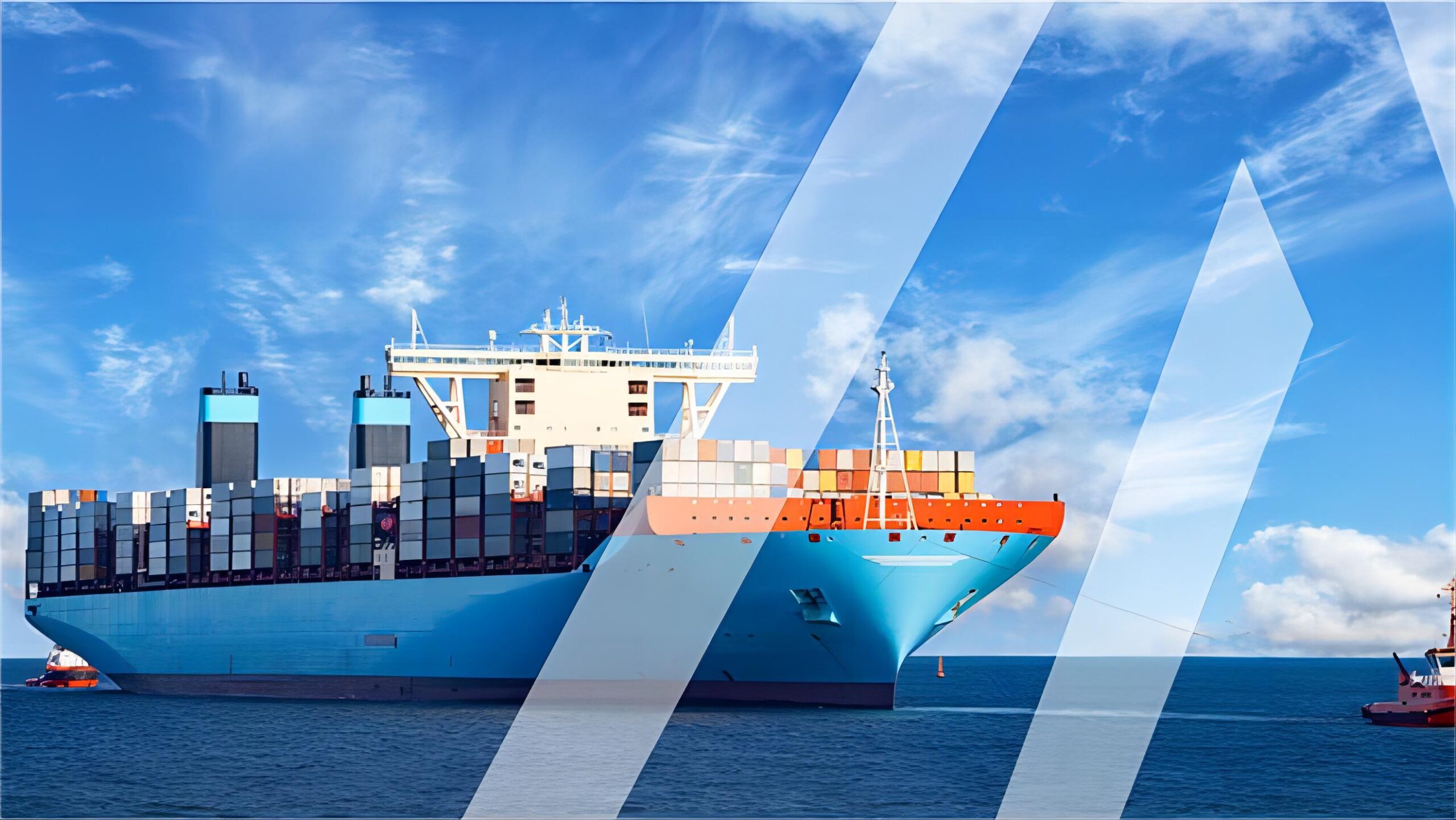
Reducing your shipping expenses requires careful planning and optimization of your cargo volume. For instance, optimizing your packaging can often allow you to fit more units into a single container, lowering the cost per item. Additionally, booking your shipments at least two to three weeks in advance can help you secure better freight rates.
Another effective strategy is to consolidate multiple small orders into a single LCL or FCL shipment. This reduces the number of individual documentation fees and origin charges you have to pay. Furthermore, staying informed about seasonal fluctuations allows you to avoid the peak season price hikes that occur before the Lunar New Year and Golden Week.
Finally, always compare quotes from multiple providers to ensure you are getting the best market rate. While price is important, remember that the cheapest option may lack the reliability needed for a smooth supply chain. Therefore, balance cost savings with the reputation and service quality of your China logistics company Germany.
| Route | 20GP Container | 40HQ Container | Transit Time |
|---|---|---|---|
| Shanghai to Hamburg | $1,900 – $2,600 | $3,200 – $4,500 | 32 – 38 Days |
| Shenzhen to Bremen | $1,850 – $2,550 | $3,100 – $4,300 | 28 – 35 Days |
| Ningbo to Wilhelmshaven | $1,950 – $2,700 | $3,300 – $4,600 | 30 – 36 Days |
The Importance of Door-to-Door Logistics Solutions
Managing the final mile of delivery is just as important as the international transit leg. A comprehensive shipping to Europe strategy should include local trucking and warehousing. This ensures that once your goods clear customs, they are delivered directly to your warehouse or retail location.
Indeed, many businesses prefer a single point of contact for the entire journey to simplify communication. This approach reduces the risk of information being lost between different service providers. Consequently, you can track your shipment from the factory floor in China to your doorstep in Germany with ease.
Furthermore, integrated logistics providers often offer value-added services such as labeling, kitting, and quality inspections. These services can be performed at the origin or destination, depending on your requirements. By utilizing these options, you can streamline your operations and ensure that your products are retail-ready upon arrival.
Final Thoughts on Partnering with a China Logistics Company Germany
In summary, navigating the trade route between China and Germany requires a strategic approach and a dependable logistics partner. Whether you choose the cost-effectiveness of sea freight, the speed of air transport, or the efficiency of rail, having expert guidance is essential. A professional China logistics company Germany will help you manage everything from customs documentation to the final mile of delivery.
By understanding the various transport modes and implementing cost-saving strategies, you can significantly enhance your business’s profitability. Remember that freight rates and transit times are subject to change based on market conditions, so staying informed is key. Partnering with a dedicated expert ensures that your supply chain remains resilient and ready for any challenge.
Ready to streamline your logistics?
Are you looking for a reliable China logistics company Germany to handle your next shipment? Our team of experts provides tailored solutions for sea, air, and rail freight to ensure your cargo arrives on time and within budget. Contact us today for a personalized quote and see how we can optimize your international supply chain. Visit our website to Send Inquiry and start your journey toward hassle-free shipping.
Request Quote